


South Africa and Brazil seek closer economic ties under US tariff pressure
US tariff pressure has added urgency to South Africa and Brazil’s efforts to deepen trade, manufacturing and technology cooperation through their existing bilateral relationship.
 By
Joseph Mwangi
By
Joseph Mwangi
South Africa and Brazil are seeking to deepen economic and industrial cooperation as US tariff measures put added pressure on two major economies of the Global South. Their discussions have focused on trade, critical minerals, manufacturing and technology, with both governments looking to build more practical commercial links from an established political relationship.
In brief
- US tariff measures have added pressure to South Africa and Brazil, strengthening the case for broader commercial relationships.
- Talks in Pretoria focused on trade, critical minerals, manufacturing and technology rather than a new binding trade agreement.
- The two countries want greater value from their economic ties, including industrial capacity, skills and technological exchange.
The eighth South Africa-Brazil Joint Commission, held in Pretoria, brought the agenda into focus. The meeting reviewed existing bilateral arrangements and considered where cooperation could expand. The tariff pressure facing both countries has made those conversations more immediate, without creating a new formal trade agreement or resolving the measures imposed by Washington.
For readers following Africa’s economic outlook for 2026 and beyond, the talks illustrate how changing access to major markets is putting renewed attention on trade relationships across the Global South.
Shared tariff pressure changes the timing
South Africa faced a 30% tariff on many exports from August 2025, before a partial reversal earlier in 2026. Brazil faced a 25% tariff on most imports from July 2026. The measures do not place the two economies in identical positions, but they have given both governments a reason to examine commercial relationships beyond their traditional markets.
The response under discussion is diversification rather than a promise of immediate relief. Closer ties between South Africa and Brazil have not been shown to remove or reduce US tariffs. Instead, the Pretoria talks pointed to a wider effort to identify markets, industrial connections and areas of exchange that may give each country more options in an uncertain trading environment.

The meeting brought together South African International Relations and Cooperation Minister Ronald Lamola and Brazilian Foreign Minister Mauro Vieira. Its purpose was not simply to restate diplomatic alignment. The discussion placed production, trade and technology alongside the broader political relationship, making economic cooperation the immediate test of whether that alignment can deliver practical results.
Trade ties provide a starting point
Bilateral trade between South Africa and Brazil reached about $2 billion in 2025. Brazil is South Africa’s largest trading partner in Latin America and its second-largest in the Americas. A multisectoral Brazilian trade mission has also travelled to South Africa to assess opportunities for closer economic cooperation.
That existing exchange gives the two countries a base for the next stage of discussions, but the stated ambition goes beyond selling a greater volume of goods to one another. Both sides have raised the value of traded goods as an issue, linking trade expansion to manufacturing, skills development and technological exchange within their own economies.
This is an important distinction. More commerce would not by itself change where economic value is created. The discussion instead turns on whether economic cooperation can support more processing, production and technical capacity in South Africa and Brazil, rather than leaving their relationship centred on commodity exports.
The Pretoria discussions also covered the wider aim of reducing the potential economic effects of tariff pressure through stronger cooperation. The agenda remains prospective: no specific joint project or legally binding new pact was announced.
Critical minerals put industrial capacity at the centre
Critical minerals are among the clearest areas identified for closer work. South Africa and Brazil both hold resources relevant to the global energy transition. The question raised in Pretoria was not only how to export those materials, but how to avoid a familiar pattern in which resource-rich economies supply raw inputs while manufacturing and wealth creation take place elsewhere.

From raw materials to higher-value activity
Manufacturing, skills and technological exchange therefore sit alongside mineral trade. The countries have indicated an interest in cooperation that could support industrial capacity closer to the source of materials. This does not amount to a confirmed programme, and it does not establish what projects might follow. It does clarify the direction of the economic discussion: retaining more value from the resources and goods exchanged.
Technology also features as a field for closer engagement, alongside science and health-related production. These subjects were identified within a broad economic and industrial agenda, not as evidence that new facilities, investments or production partnerships have already been secured.
A relationship to be measured by implementation
South Africa and Brazil share membership of BRICS and have long had political reasons to cooperate in multilateral forums. The Joint Commission gives that relationship a more immediate commercial focus. The next measure of progress will be whether discussions on trade, minerals, manufacturing and technology lead to workable forms of cooperation.
The relationship is not free of differences. Brazil holds a trade advantage, and some South African sectors have raised concerns about Brazilian imports. Those issues were not the centre of the latest talks, which concentrated on areas where both governments see room to broaden economic ties.
The significance of the Pretoria meeting lies in its practical direction. Tariff pressure has encouraged South Africa and Brazil to look more closely at an existing relationship and consider how it could support more varied trade and industrial links. The outcome remains an intention to deepen cooperation, rather than a formal or permanent economic alliance.
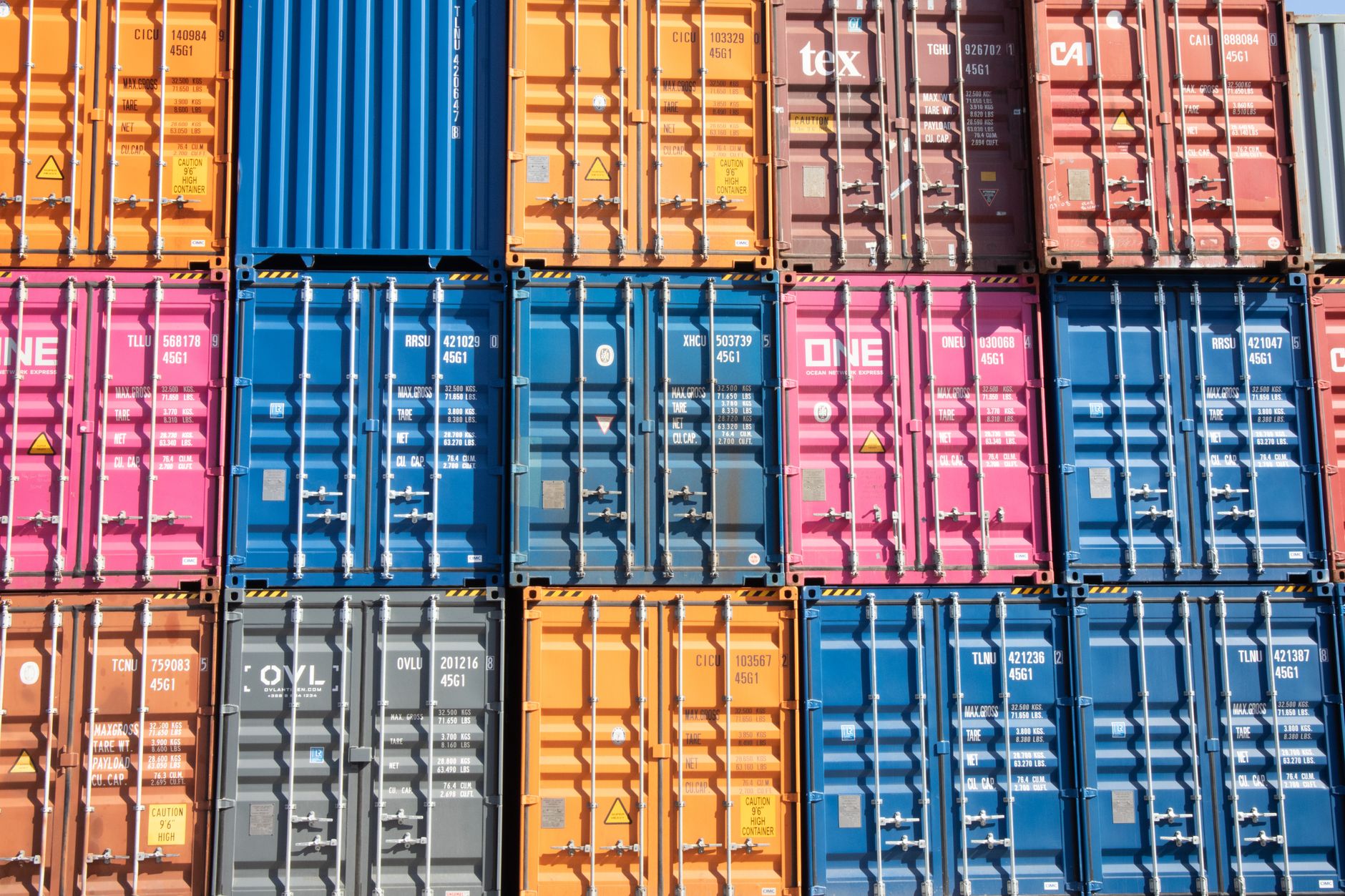
Featured image. Source: Pexels. Credit: Michael Petersen. License: Pexels License.
Continue reading