


Ethiopia links climate resilience, health investment and peacebuilding in development agenda
Ethiopia’s development agenda is increasingly connecting climate adaptation, social protection, health services and conflict-sensitive resource management as pressures on rural communities intensify.
 By
Kwame Asante
By
Kwame Asante
Ethiopia is placing climate resilience, health investment and peacebuilding within the same national development frame, an approach shaped by the overlapping pressures facing communities dependent on land, water and livestock. The immediate test is especially clear in drought-affected pastoral areas, where food security, public health and local stability can be influenced by the same shortages.
In brief
- Ethiopia’s drought crisis followed five consecutive failed rainy seasons, affecting pastoral livelihoods and livestock.
- PSNP 6 is backed by a $200 million International Development Association credit and includes climate-smart public works.
- SIPRI warns that resilience projects in resource-scarce areas need conflict-sensitive planning and natural resource governance.
- President Taye Atske-Selassie has described health, environmental sustainability and peacebuilding as interconnected parts of national resilience.
President Taye Atske-Selassie recently presented health, environmental sustainability and peacebuilding as interconnected elements of national resilience. That framing does not establish that any one intervention has delivered a measured outcome. It does, however, reflect a policy argument with practical implications: climate adaptation, social protection and health services cannot be treated as wholly separate responses when households face several risks at once.
Drought exposes the links between livelihoods and health
The scale of recent stress in the Horn of Africa illustrates why those connections matter. Global Communities’ account of the climate crisis in Ethiopia describes a food crisis that put as many as 25 million people at risk of hunger and disease. After five consecutive failed rainy seasons, the source reports that four million livestock had died in Ethiopia since late 2021, while more than 30 million were emaciated and at risk.
For pastoralist households, livestock are not simply an economic asset. They are closely tied to income, food and the ability to withstand a failed season. When pasture and water become scarce, the cost of finding feed rises and the loss of animals can compound food insecurity. The same conditions can raise the burden on families already facing limited access to basic services.

A five-year initiative known as Resilience in Pastoral Areas South, or RIPA South, was launched in January 2020 to help vulnerable pastoral populations mitigate, adapt to and recover from climate-related and conflict-related shocks. Its design reflects the need to address immediate needs alongside longer-term vulnerabilities, rather than assuming communities move neatly from emergency relief to resilience.
Resource projects need conflict-sensitive design
Water and rangeland projects can help communities facing drought, but their design also matters. In Ethiopia’s Somali Region, World Food Programme resilience programming has included rangeland rehabilitation and the digging of ponds to improve access to pasture and water. Yet SIPRI’s assessment of climate resilience and peacebuilding in Ethiopia notes that natural resource management was not fully implemented in that programme, despite demand from communities.
The distinction is significant. SIPRI warns that increasing water availability in one place can create new tensions if it attracts herders from other areas experiencing shortages. More accessible pasture and water may also lead to pressure on resources if herd sizes rise beyond sustainable levels. These are risks to assess, not proof that every water project causes conflict.
The institute’s conclusion is that resilience programmes in resource-scarce areas should incorporate natural resource governance and account for conflict risks within and between communities. In this context, peacebuilding is not limited to a separate political process. It can also involve how access to shared land and water is planned, governed and communicated.

That connection also places climate pressures within the wider questions covered by Africa Times’ health reporting, where environmental shocks can affect nutrition, access to services and household well-being long before they appear as a discrete health emergency.
Safety nets combine public works with health and nutrition support
Ethiopia’s Productive Safety Net Project 6, or PSNP 6, offers a current example of a programme intended to connect several parts of this agenda. The project is financed through a $200 million International Development Association credit announced by the World Bank. It is designed to provide short-term employment through climate-smart public works for six million people, while supporting the restoration of watersheds and degraded land.
The programme also plans to expand access to nutrition, health services and early childhood development, with the aim of contributing to lower stunting. These are stated objectives, rather than results already demonstrated by the project. Its significance lies in the attempt to link income support, environmental restoration and human development within one safety-net structure.
For readers, the most concrete change is not a single new outcome that can yet be measured. It is the growing emphasis on integrated planning: a drought response may include income support and land restoration, while health investment may be considered alongside nutrition, childhood development and the stability needed for services to function. Whether that approach succeeds will depend on implementation, accountability and local conditions, particularly in places where scarce resources are already a source of tension.
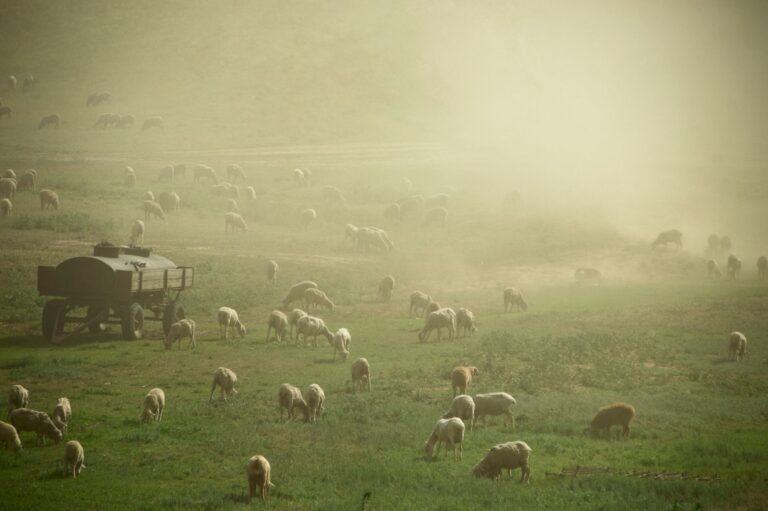
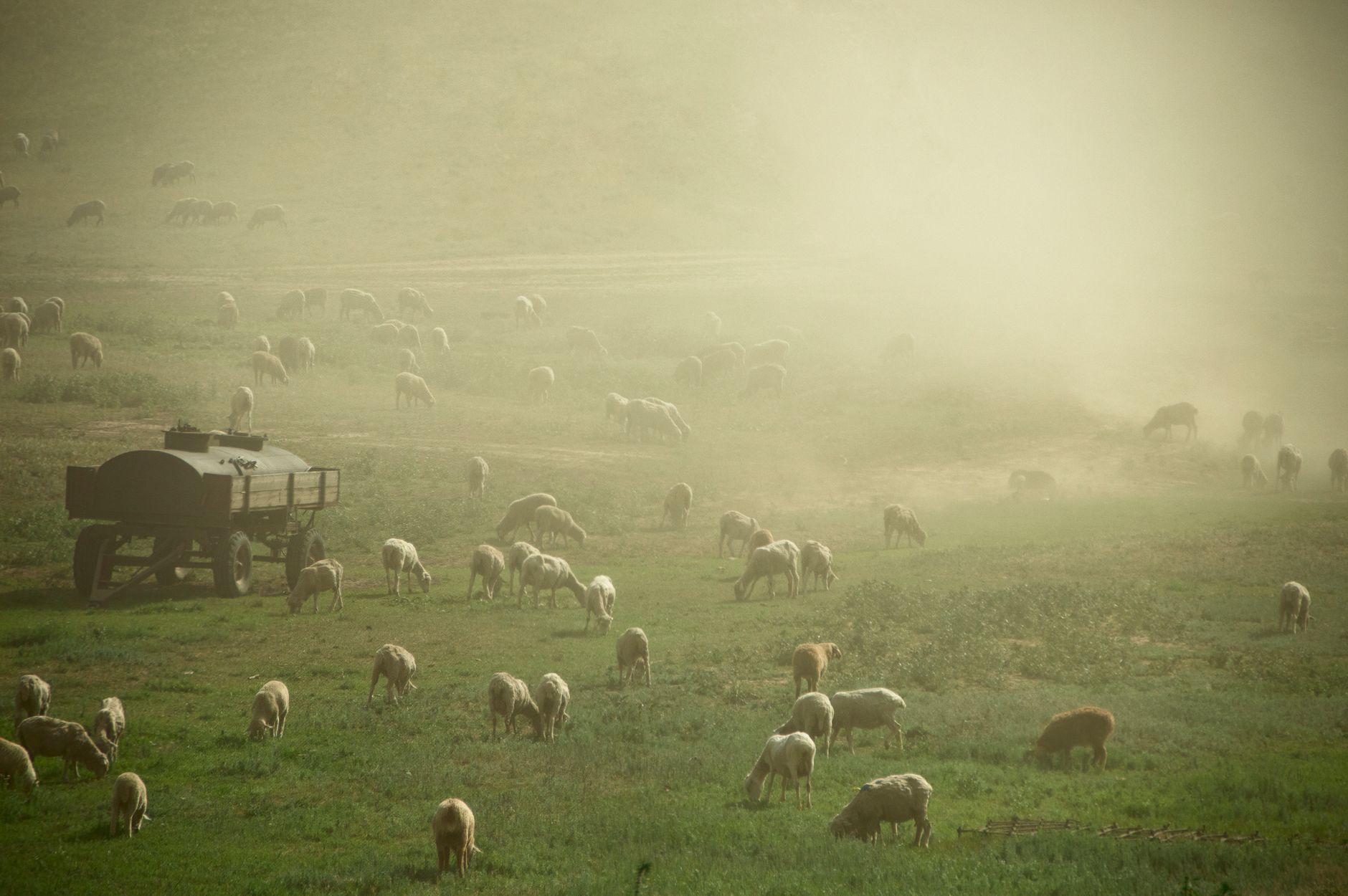
Featured image. Source: Pexels. Credit: Павел Хлыстунов. License: Pexels License.