

Ethiopia plans to make Africa’s medicines, but no timeline or factory is named yet
Muluken Argaw, Ethiopia’s State Minister for Health, links continental trade rules, shared supply chains and pooled buying to a push for locally made drugs.
 By
Kwame Asante
In brief
- Ethiopia’s State Minister for Health says the country aims to become a pharmaceutical manufacturing hub for Africa.
- Planned tools: the continental free trade area, regional supply chains, regulatory cooperation and joint procurement.
- Local output of medicines, vaccines and equipment is presented as vital to health security.
- A forecast puts the Ethiopian pharmaceutical market above $4 billion by 2030.
Ethiopia wants to be the place where Africa makes its medicines. Muluken Argaw, the country’s State Minister for Health, set out that ambition on a Friday, according to TV BRICS as reported by Peoples Gazette. The report, published on October 30, describes a set of measures rather than one single project, and it presents them as steps toward making Ethiopia a centre of pharmaceutical production on the continent.
According to the minister, these measures would help widen the production of medical products across Africa, not only within Ethiopia’s own borders. He framed the goal in continental terms. “Ethiopia’s ambition looks beyond our borders. We are ready to leverage the African Continental Free Trade Area, develop regional value chains, and expand opportunities for African-made health products,” said Muluken Argaw, Ethiopia’s State Minister for Health.
The measures Ethiopia plans to use
The plan, as described in the report, relies on tools that operate at continental scale rather than national scale. Ethiopia intends to:
- draw on the openings created by the African Continental Free Trade Area;
- build supply chains that span several countries in the region;
- strengthen regulatory cooperation;
- introduce joint procurement mechanisms.
Taken together, these steps describe a model in which medicines made in Ethiopia would reach buyers well beyond the country. Regulatory cooperation and pooled purchasing both concern how products are approved and bought across borders, not only how they are manufactured. The minister said the whole set of measures would help expand the output of medical products in Africa, which makes the project regional in design even though Ethiopia is the one announcing it.
The report does not attach a timeline, an investment amount or a named factory to any of these measures, so they stand for now as stated intentions rather than a scheduled programme.
Health security and medical tourism
The minister underlined that developing local production of essential medicines, vaccines and medical equipment is crucial to ensuring health security. In practical terms, he tied the manufacturing drive to the ability to secure those three categories of products, which cover treatment, prevention and the equipment used to deliver care.
Ethiopia, he said, also intends to develop medical tourism, an aim he placed alongside the manufacturing plans. The report gives no further detail on how that would work, but the pairing shows that the government sees pharmaceuticals and health services as parts of a single strategy.
A market forecast above $4 billion
The report also cites a forecast for the sector’s size, which gives the economic side of the story a number.
That projection frames manufacturing as an economic opportunity as well as a health priority. It is presented as the expected size of the Ethiopian market by 2030, and it is the only figure attached to the plan. For readers following the continent’s economies, it indicates the scale the authorities have in mind when they speak of African-made health products. For earlier coverage of the country’s health policy, see Ethiopia’s development agenda linking climate resilience, health investment and peacebuilding.
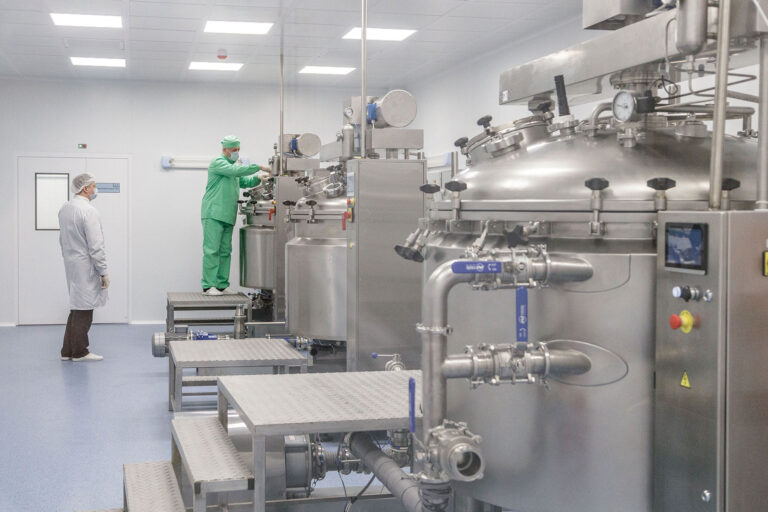
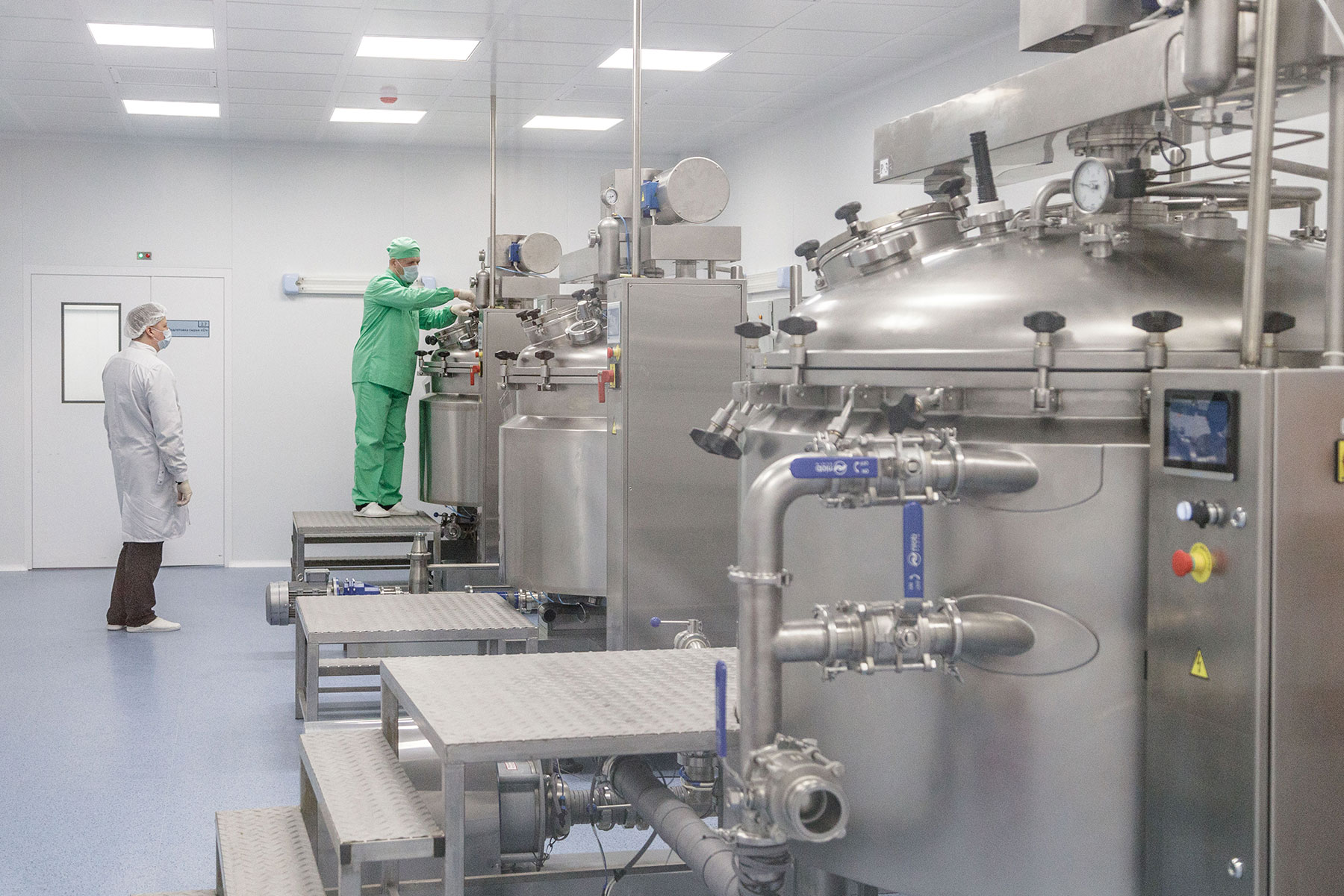
Photo: Пресс-центр Правительства Тульской области. / Wikimedia Commons, CC BY 4.0