

Nurse killed in Ebola response attack in eastern DR Congo
A nurse died and a colleague was badly hurt as they answered an alert in Tshopo province, part of a pattern of violence that responders say slows the outbreak.
 By
Nomvula Dlamini

In brief
- The attack happened on Saturday in Bafwasende, in Tshopo province, according to the WHO chief.
- The WHO condemned it; attackers reportedly accused the workers of contaminating water.
- The outbreak has passed 9,800 cases since May, the deadliest in the country’s history.
- Uganda has restricted travel from DR Congo and ordered 21-day quarantines.
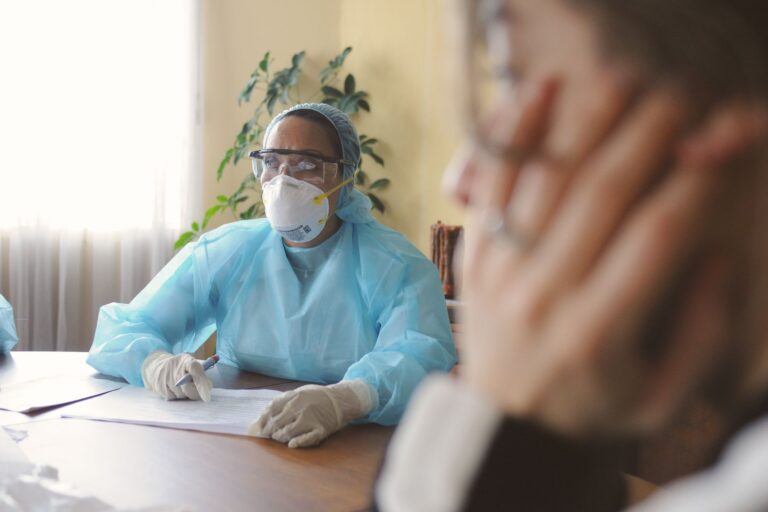
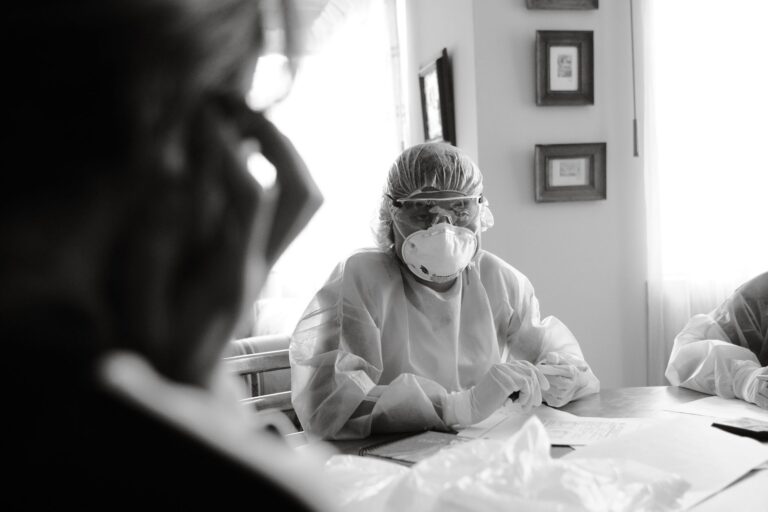
The World Health Organization reported that a nurse died, and a second health worker was seriously wounded, while responding to an Ebola alert in eastern Congo. It is the newest of several assaults that, according to authorities, are slowing the response.
What happened in Bafwasende
On Saturday, in Bafwasende, a town in Tshopo province, the attack occurred, WHO Director-General Tedros Adhanom Ghebreyesus said in a post on X. Reporting by Graphic Online, citing the UN-backed Radio Okapi, says that local youths targeted both workers. The attackers blamed them for polluting water sources and for spreading the virus.
The WHO condemned the attack, offered condolences to the nurse’s family and coworkers, and wished the wounded colleague a quick recovery. Tedros said that everyone working to shield communities from this deadly disease «must be able to work in dignity and safety. Healthcare must always be protected». Mohamed Yakub Janabi, the agency’s regional director for Africa, added: «Misinformation and fear must never fuel violence».
Local authorities had not yet commented on the attack or on any suspects, according to the Newcastle Herald. The victims have not been named.
A series of attacks since May
- At the start of the outbreak, angry residents set fire to tents at two health centres in two separate attacks within a single week.
- The Red Cross counted 11 violent incidents within the initial 100 days following the declaration of the outbreak, with volunteers hurt and an ambulance set on fire.
- A Congolese politician died from a beating in North Kivu, shortly after speaking up in public for the government’s Ebola response.
On a radio show, the politician had encouraged listeners to comply with response measures, especially handwashing and keeping a physical distance from others.
Distrust in the villages
Authorities had begun a village-focused approach, and the politician’s killing followed it. Some residents pushed back against the effort, calling Ebola a hoax. Mistrust of the government is widespread, stemming from its handling of earlier outbreaks and from entrenched corruption.
Responders say this scepticism makes it harder to collaborate with communities, notably in isolated areas and newly emerging hot spots where medical supplies and health staff are already scarce. Several teams also report that some members were held captive in a few health zones, and that crews in charge of safe and dignified burials received threats.
The scale of the outbreak and its spread
According to the ministry’s figures, no Ebola outbreak in Congo’s history has been deadlier than this one. The Bundibugyo strain responsible is comparatively rare, and no vaccine or specific treatment exists yet, though trials are under way. People catch the disease through contact with bodily fluids of infected people, like blood or vomit.
Earlier this month Kenya and Nigeria reported their first cases linked to the current outbreak. Both patients had passed through Uganda, which says it has recorded no cases since August. Kampala has prohibited all nonessential trips between Uganda and DR Congo. Crossing is limited to essential travellers, such as aid workers, truck drivers and security personnel, after strict health screening, and every arrival must fill in locator forms for contact tracing.
Uganda’s health minister, Chris Baryomunsi, said: “We share a border with [DR Congo], where transmission continues, and our communities remain closely connected through trade, travel and family ties.”
Photo: Carol M. Highsmith / Wikimedia Commons