


In the Horn of Africa, El Niño forecasts are turning into aid before the crisis
Livestock insurance, paid phone reports from herders and pre-agreed cash triggers show how a forecast can become protection before floods or drought arrive.
 By
Joseph Mwangi
By
Joseph Mwangi
An El Niño forecast only protects people if someone acts on it before the hazard turns into a crisis. Across the Horn of Africa, that link between climate science and food security planning runs through a handful of practical tools: cash released on pre-agreed triggers, insurance that pays herders when pasture fails, and field reports that show what satellites miss.
In brief
- “Climate forecasts can warn of impending hazards, but their value ultimately depends on what happens before those hazards become a crisis,” according to Kelvin Shikuku, an economist and senior scientist at the International Livestock Research Institute (ILRI).
- Chad’s effort sits within a wider regional projection: WFP expects El Niño to add 7.4 million people to those in acute food insecurity across West and Central Africa.
- What the coalition is asking for
“Climate forecasts can warn of impending hazards, but their value ultimately depends on what happens before those hazards become a crisis,” according to Kelvin Shikuku, an economist and senior scientist at the International Livestock Research Institute (ILRI).
Why the stakes extend far beyond the weather
Addis Ababa hosted the Regional High-Level Forum on El Niño Preparedness, run by the Intergovernmental Authority on Development (IGAD), between 15 and 17 September 2026. Governments, research institutions, humanitarian and development organisations, technical agencies and private-sector participants all took part. The scale of the risk helps explain the turnout. According to AllAfrica, World Food Programme analysis finds that nearly 50 million more people could face acute hunger because of this El Niño, a rise of more than one-fifth. The same report says the African Development Bank estimates that gross output in affected African countries could fall by as much as US$20 billion. Both figures are projections, not measured losses.
For pastoral and agro-pastoral areas, ILRI describes a chain of disruption that starts small. Livestock routes can be blocked, roads and bridges damaged, trade interrupted and veterinary access restricted. Heavy rain can also raise the number of crop pests and spread animal diseases carried by vectors or water, Rift Valley Fever among them. Those effects cross borders, which is why Meshack Baraza, a graduate fellow at ILRI, argues for a regional approach: “To be fully prepared, countries must share risk assessments, track threats together, and exchange data across borders.”
Early cash already tested beyond the Horn
Anticipatory action, meaning help delivered on the strength of a forecast rather than after the damage, is already being used elsewhere on the continent. The WFP cases below show the scale and the different triggers involved.
| Country | Early action | People targeted |
|---|---|---|
| South Sudan | Anticipatory cash in May; first national drought anticipatory action plan triggered in July | 53,000 in May; nearly 66,000 under the plan |
| Chad | Drought early-warning messages and cash in seven rain-dependent provinces | More than 170,000 |
| Malawi | Assistance prepared ahead of the 2026-27 lean season, when 2.6 million are projected to face acute hunger | 600,000 |
| Madagascar | Assistance prepared after the MapTool monitoring system projected severe drought in the south | 75,000 |
Chad’s effort sits within a wider regional projection: WFP expects El Niño to add 7.4 million people to those in acute food insecurity across West and Central Africa. In Madagascar, WFP Country Director Tania Goossens says: “WFP has supported the Government in establishing MapTool, making Madagascar the first country in Africa to take full ownership of this drought-monitoring mechanism,”

Insurance and crowdsourced data for herders
For livestock keepers, ILRI points to two complementary instruments. The first is Index-Based Livestock Insurance (IBLI), which pays out when independently measured environmental indicators show drought-related forage losses, so no farm-by-farm claim is needed. ILRI reports these effects for covered households:
More than 500,000 policies have been sold, and beneficiaries exceed three million people across Kenya, Ethiopia and Somalia, according to Global Agriculture.
The second tool is KAZNET, an open-source ILRI platform that pays local contributors to complete short reporting tasks on their phones. They record livestock market conditions, pasture, water, animal condition and herd movements. The system runs in Kenya and Ethiopia, has expanded to Kano State in Nigeria, and feeds into Kenya’s KAOP, giving early-warning systems a ground-level view to set beside forecasts.
Kenya’s test: budgets versus visible preparedness
Kenya illustrates the gap between a forecast and protection on the ground. The Kenya Meteorological Department forecasts enhanced rainfall across most of the country from October to December 2026, with El Niño and a positive Indian Ocean Dipole expected to intensify the rains. In a statement signed by 125 organisations, the Right to Food Coalition recalled the 2024 floods, which left 315 people dead, about 410,000 displaced and an estimated Sh187 billion in damage, The Standard reported.
Money has been earmarked. The National Treasury reported Sh7.1 billion of locally led climate-resilience grants going to 43 counties, within Sh11.7 billion set aside for county climate resilience in 2025/26. In Nairobi, 227 flood hotspots have reportedly been mapped, and Sh2.4 billion has been pledged for flood resilience, of which Sh2 billion goes to drainage works on 19 roads. The coalition’s concern is whether those budgets become works completed before the rains.
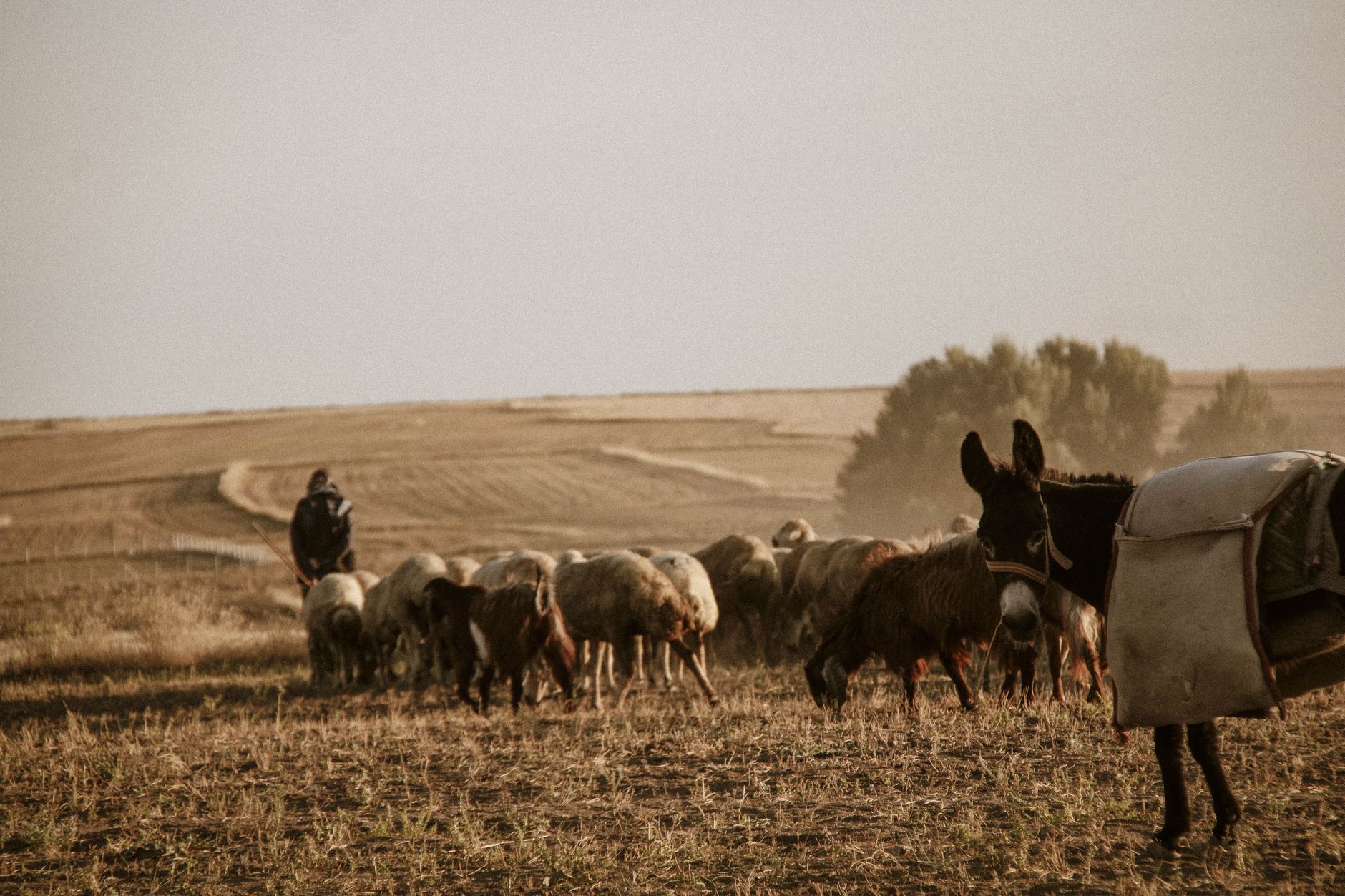
Featured image. Source: Pexels. Credit: Yusuf Onuk. License: Pexels License.