

South Africa halts asylum order after anti-migrant riots
Home Affairs says it will start a new process to comply with a Constitutional Court ruling, after two days of unrest in Durban and Soweto ahead of the 4 November elections.
 By
Nomvula Dlamini
By
Nomvula Dlamini
South Africa’s Department of Home Affairs announced on Friday 9 October that it is halting the rollout of a policy opening asylum applications to people who failed to follow the usual procedures, after two days of riots in Durban and Johannesburg in which vehicles were burned and shops looted. The government said it would start a new process to comply with a Constitutional Court ruling, according to Yahoo (Newsweek) and AFP via France 24.
In brief
- In July, the Constitutional Court ruled that denying access to the asylum system solely because an applicant did not comply with procedural requirements was unconstitutional.
- Three houses were set alight, AFP adds, and one migrant told journalists he had been beaten and robbed before police took him to safety.
- Neither source gives a timetable for the new process.
What the court ordered and what the department did
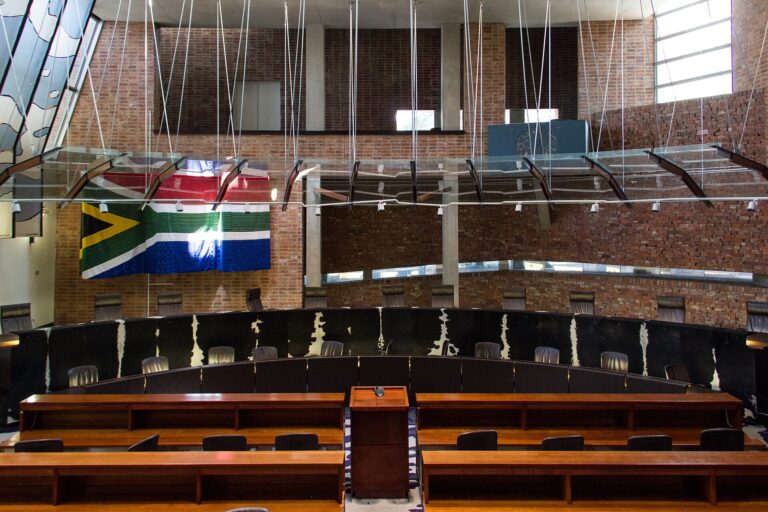
In July, the Constitutional Court ruled that denying access to the asylum system solely because an applicant did not comply with procedural requirements was unconstitutional. Home Affairs, which had opposed the case, argued that dropping those requirements would undermine effective regulation of migration and the state’s control of its borders, Yahoo reports. The court sided instead with the Scalabrini Centre of Cape Town, a charity that supports migrants and refugees. It said excluding people on procedural grounds prevents them from having their claims assessed on the merits.
Under the normal route, an applicant enters through an official border crossing and receives an asylum transit visa valid for five days, which is meant to give them time to report to a refugee reception office. A second visa then allows them to stay while the claim is decided. The ruling widened access to that process, but the order does not grant refugee status automatically: it only guarantees that a claim is examined, Yahoo notes.
On 28 September, the department told refugee reception offices to start applying the July order. Multiple protests, intimidation and acts of vigilantism followed in the days afterwards, Yahoo says. AFP reports that long queues of foreign nationals formed outside the offices, which angered groups campaigning to push undocumented migrants out of the country.
Two days of unrest
Anti-migrant marches in Durban and Johannesburg on Thursday 8 October turned violent. Yahoo, citing local media, says crowds stormed foreign-run spaza shops, the small convenience stores common in South African townships, and set fire to at least 24 vehicles. AFP separately reports that at least 10 vehicles were set alight late on Thursday in Soweto, after protesters marched to the offices of the Constitutional Court in Johannesburg. The agency also reports that on Friday police fired tear gas and stun grenades in Durban to disperse large mobs, many carrying long sticks, who hurled bricks and bottles and kicked in shop windows. Three houses were set alight, AFP adds, and one migrant told journalists he had been beaten and robbed before police took him to safety.
KwaZulu-Natal police spokesperson Colonel Robert Netshiunda told the state broadcaster SABC that three foreign nationals had been arrested on suspicion of attacking a protester. In Soweto, police spokesperson Xolani Fihla said later on Thursday that the situation remained “a bit tense” but had calmed after the earlier violence, according to Yahoo.
The government’s explanation
In announcing the halt, Home Affairs cited “serious consequences that could not have been foreseen”. It said its refugee operations had been “overwhelmed within a matter of days”, that officials were put at risk, and that “serious threats to public safety and order” had emerged. The department added that it would “embark on a fresh process” to find a new approach to complying with the court’s order, which means the ruling itself still stands. Newsweek said it had contacted the department for further comment.
President Cyril Ramaphosa told journalists that the security cluster was on top of the situation in Durban and that the aim was to avoid any loss of life or danger to any group in the country, AFP reports. Withdrawing the instructions did not stop the violence immediately, since rioters were still moving through areas of Durban on Friday where students and foreign nationals live and work, according to an AFP reporter.
A recurring flashpoint before local elections
AFP describes South Africa as a long-standing magnet for migrants from elsewhere on the continent and notes that xenophobic violence has flared periodically for nearly two decades, sometimes fuelled by disputed claims that foreign nationals take scarce jobs and resources. Populist groups leading the current demonstrations make those accusations, and the issue is prominent ahead of local government elections on 4 November.
Earlier this year, weeks of protests led thousands of people from other African countries to leave South Africa. Police say at least four foreign nationals were killed in violence during this period, though some African governments have put the toll higher. The largest numbers leaving were from Zimbabwe and Malawi, and nationals of Ghana, Kenya, Lesotho, Mozambique, Nigeria and Uganda also left, some repatriated by their own governments, which raised diplomatic tensions, AFP reports.
What to watch
Two questions now hang over the dispute. The first is what shape the department’s new process will take, given that the court has already ruled that procedural non-compliance cannot by itself bar an asylum claim. The second is whether the withdrawal calms the streets or whether the anger continues ahead of the November vote. Neither source gives a timetable for the new process.
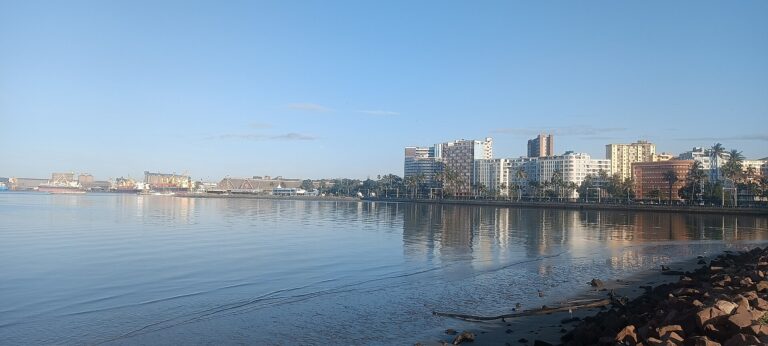
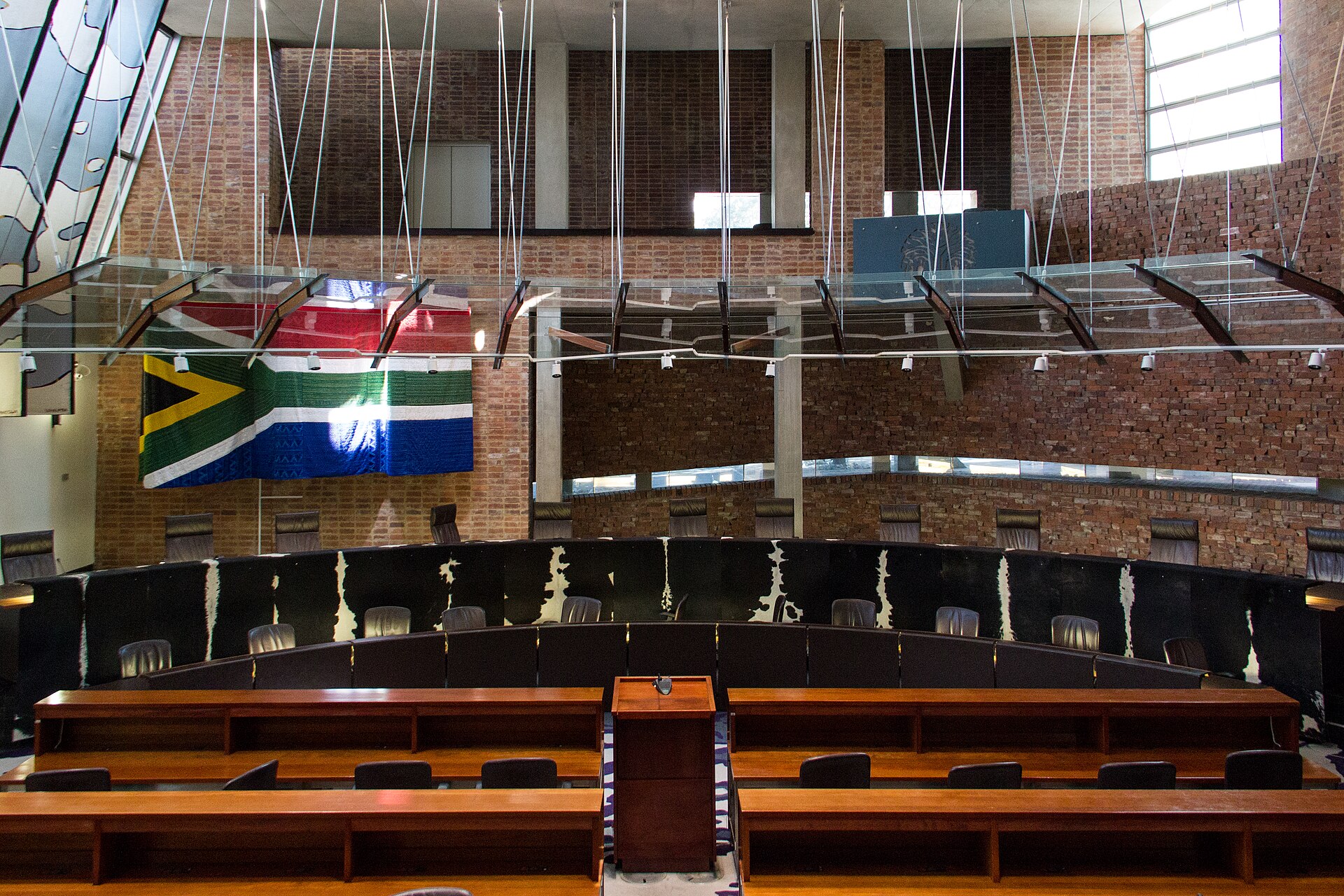
Featured image. Source: Wikimedia Commons. Credit: Stefan Schäfer, Lich. License: CC BY-SA 3.0.