

Germany plans more support for African drug and vaccine makers
Berlin will add backing to a fund investing in African pharmaceutical firms, while an Africa CDC official says imports cover roughly 70% of medicines used on the continent.
 By
Joseph Mwangi
By
Joseph Mwangi
Germany says it will do more to help vaccine and medicine production take root inside Africa. The announcement came from the Development Ministry on Friday, October 9, 2026, just ahead of the World Health Summit, which opens in Berlin on Sunday.
In brief
- The announcement came from the Development Ministry on Friday, October 9, 2026, just ahead of the World Health Summit, which opens in Berlin on Sunday.
- On Thursday, October 8, 2026, Prof.
- Whether the German contribution is large, who receives it and how quickly it reaches manufacturers are points the ministry has yet to spell out, and the talks in Berlin may shed more light on them.
Berlin backs a fund for African drugmakers
As Yahoo reports in a dispatch from the German news agency DPA, the ministry plans to extend its backing to a fund that invests in pharmaceutical companies based on the continent. Development Minister Reem Alabali Radovan presented the step on Friday.
She tied it to a broader German health agenda. Despite a difficult budget situation, she said, Germany continues to invest dependably in the fight against infectious diseases, in childhood vaccination, in education on pregnancy and contraception, and in helping Africa become self-reliant for its medicines. The minister added that this approach also serves German interests.
The report leaves several questions open. It does not say how much money Berlin will add, does not name the fund, and does not list the countries or companies that could benefit. Those details will matter once the programme moves from announcement to practice.
Conflict and Ebola set the backdrop
Alabali Radovan also spoke about the danger that armed conflict poses to medical care. She named Ukraine, the Middle East and the Democratic Republic of the Congo, and insisted that the people living through such crises must not be forgotten.
The Berlin summit is expected to give special attention to the recent Ebola outbreak in Congo. For background on how the disease has travelled, see our report on Kenya’s first imported Bundibugyo Ebola case.
Why import dependence worries African health officials
A parallel discussion took place in Tanzania. On Thursday, October 8, 2026, Prof. Diana Nsubuga, who oversees the portfolio on reproductive, maternal, newborn, child and adolescent health for the Africa Centres for Disease Control and Prevention, spoke at a panel in Arusha attended by parliamentarians from the Inter-Parliamentary Union. The Daily News reports that she urged African governments to put more money into making medicines and medical devices at home, arguing that this would help bring down deaths among mothers and children.
By her account, that reliance can affect whether key services and supplies are available when needed. One example she gave was the medicines used to prevent and treat bleeding after childbirth.
The German announcement and the Arusha remarks are separate events, and none of the sources links them. Read side by side, though, they point in the same direction: one donor government is adding support, and one African health official is asking governments on the continent to do the same.
Funding gaps and what local production could change
Nsubuga also said that weak funding for the health sector has held back services for women, children and adolescents across the continent. She asked governments to act on three fronts:
- invest more in local manufacturing of medicines and medical devices;
- strengthen health budgets so that more people can reach essential care;
- cut the exposure that comes from relying on outside suppliers for critical medical goods.
In her view, stronger domestic output of pharmaceuticals and medical supplies would let African countries build sturdier health systems. For budget context, see our piece on Africa’s health financing squeeze.
What to watch after the summit
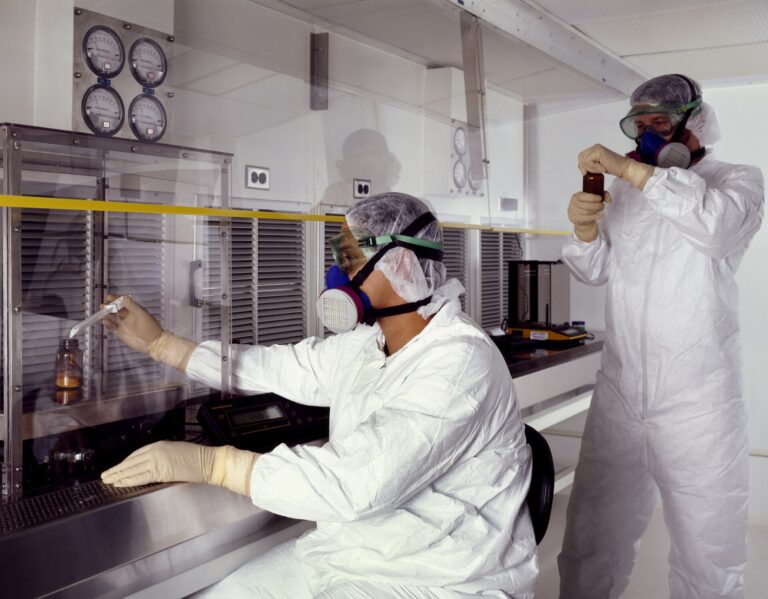
Plans to boost local production tend to be judged by what follows the headline. In general, a drug factory needs more than capital: it needs reliable power and water, trained staff, regulators able to inspect plants and approve products, and buyers who commit to purchasing what is made. A fund that invests in companies can address the first of these, while the others usually depend on governments and on the markets that order the products.
For now, the public record is short. Berlin has said it will add support, and an Africa CDC official has said where she thinks the continent’s priorities lie. Whether the German contribution is large, who receives it and how quickly it reaches manufacturers are points the ministry has yet to spell out, and the talks in Berlin may shed more light on them.
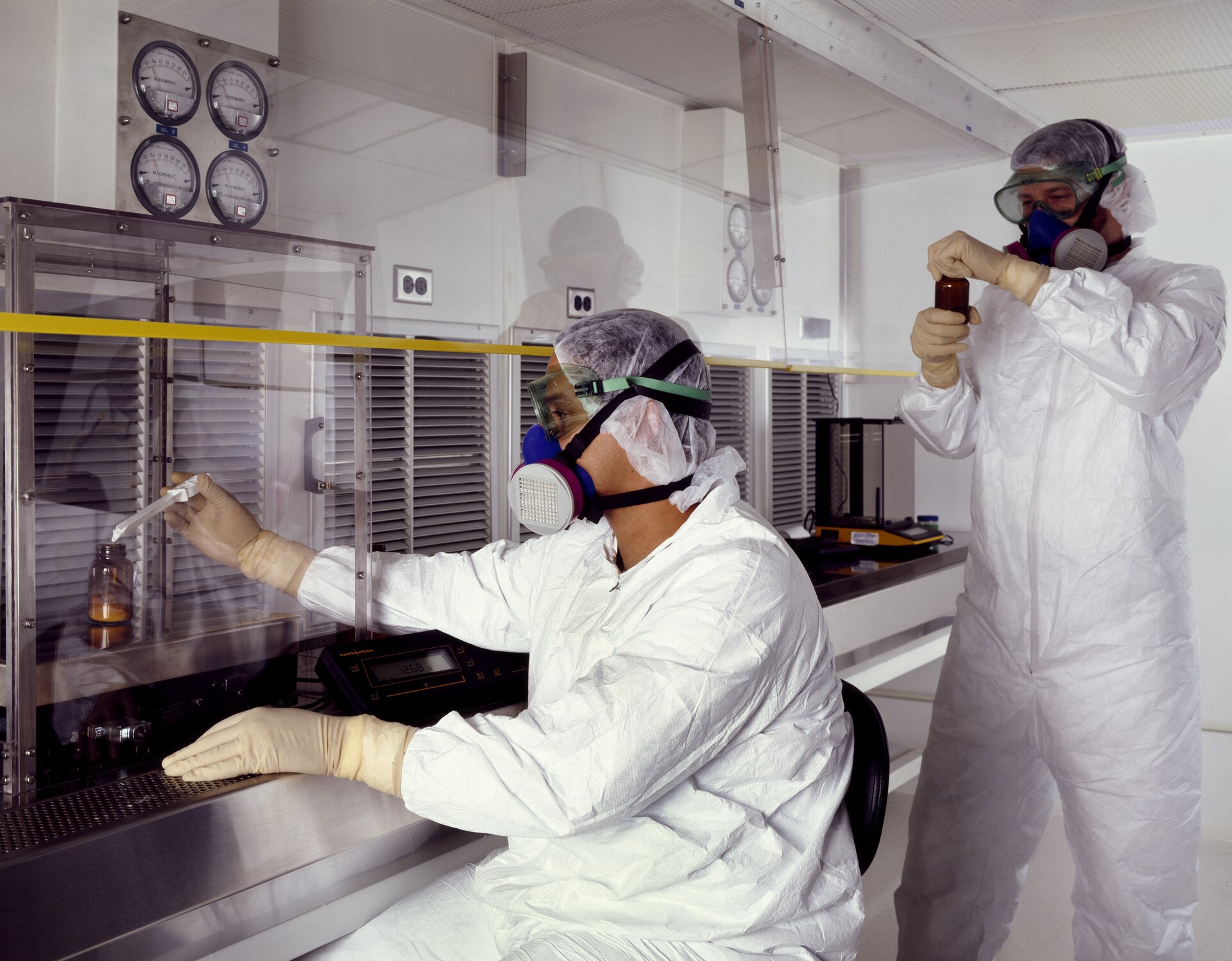
Featured image. Source: Wikimedia Commons. Credit: Carol M. Highsmith. License: Public domain.