



Plague is still a risk where wild rodents carry it
The infection never vanished from nature. How plague spreads from wild rodents and fleas to people, how to recognise its forms, and why early treatment matters.
 By
Kwame Asante
By
Kwame Asante
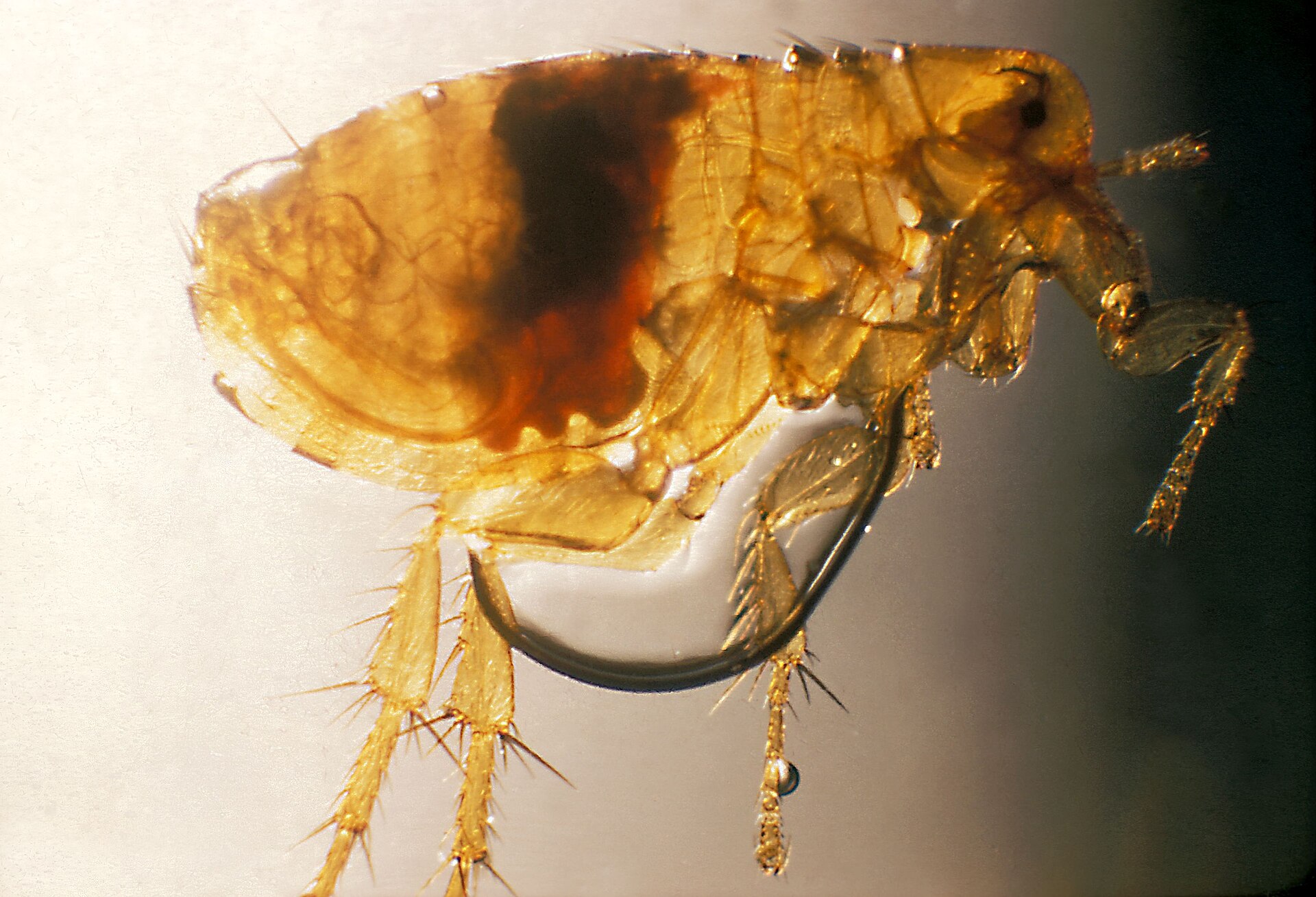
Plague sounds like a story from a history book, yet the infection never disappeared. The bacterium behind it still circulates quietly among wild animals in several parts of the world, and it occasionally reaches people. What has changed is the outcome: with modern antibiotics and quick medical care, the disease that once devastated whole populations is now treatable.
In brief
- The bacterium behind it still circulates quietly among wild animals in several parts of the world, and it occasionally reaches people.
- For that reason, doctors isolate patients with the lung form and give protective treatment to people who have been near them.
- Knowing the signs, avoiding contact with sick or dead animals, and seeking medical advice quickly after a flea bite or unexplained fever in an affected area are the best protections.
Where the bacterium lives
The cause is a bacterium called Yersinia pestis. It lives in wild rodents such as rats, ground squirrels and prairie dogs, and it moves between animals through the fleas that feed on them. Because the reservoir is wild, the germ cannot simply be wiped out. Removing every infected rodent from a region is neither realistic nor desirable, so public health work focuses on monitoring and prevention rather than eradication.
Human cases tend to appear in rural areas where people and rodents share the same spaces: villages with poor rodent control, grain stores, farms, and places where fleas can move easily from animals to humans. Warm, dry seasons and changes in rodent populations can raise the risk for a time.
How people become infected
The most common route is a bite from an infected flea. The germ can also pass through direct contact with the tissues or body fluids of an infected animal, which is why health agencies advise caution when handling a sick or dead wild animal. Hunters, farmers and people who clear sheds or storage areas should wear gloves and wash their hands afterwards.
In one form of the disease, the infection settles in the lungs and can spread from person to person through respiratory droplets. This spread usually needs close, prolonged contact with a patient who is coughing. For that reason, doctors isolate patients with the lung form and give protective treatment to people who have been near them.
The three forms of plague
The same bacterium causes three clinical forms, which differ by the part of the body they affect:
- Bubonic plague attacks the lymph nodes, which become swollen and very painful, typically in the groin, armpit or neck. It is the most familiar form.
- Septicemic plague develops when the bacteria multiply in the bloodstream, and it can cause severe illness and damage to tissues.
- Pneumonic plague affects the lungs and is the most serious form, because it can spread through the air in close quarters and progress rapidly.
Early symptoms often look like many other illnesses: sudden fever, chills, headaches, weakness, and aching muscles. This is one reason doctors ask patients about recent contact with animals or fleas, and about travel to areas where the disease is known to occur.
Treatment and what makes the difference
Plague responds to common antibiotics when they are given early. The decisive factor is time: the sooner a patient reaches a clinic, the better the chances of full recovery. Without treatment, the disease can become life-threatening, and the lung and blood forms can be fatal within a very short period.
Prevention is mostly practical. People living in or travelling to affected areas can reduce risk by keeping food and waste away from rodents, using insect repellent, treating pets for fleas, and avoiding contact with dead animals. A vaccine exists in some countries but is generally reserved for people with a particularly high risk of exposure, such as laboratory workers.
Why an old disease still deserves attention
Plague is a reminder that infections linked to animals do not belong only to the past. Weak health systems, poverty, crowded housing and limited access to medicine make outbreaks harder to contain. Strong surveillance, rapid diagnosis and widely available antibiotics keep cases rare and manageable.
For readers, the message is calm rather than alarming. The disease is uncommon, well understood and curable. Knowing the signs, avoiding contact with sick or dead animals, and seeking medical advice quickly after a flea bite or unexplained fever in an affected area are the best protections.
Featured image. Source: Wikimedia Commons. Credit: CDC/Dr. Pratt. License: Public domain.