

Zambia and the US sign a five-year health agreement
Lusaka says the final text drops the specimen clause and narrows US access to programme data, after months of protest over patient records.
 By
Kwame Asante
By
Kwame Asante
Zambia and Washington put their names to a five-year health partnership in Lusaka on Thursday, ending a long public row over whether the government had agreed to hand over patient information and open the door to its mineral wealth in exchange for support.
In brief
- Under it the United States commits roughly $1.5bn, while Lusaka also puts in money of its own.
- Trouble began when an early draft leaked.
- Whether those assurances calm critics will depend on how the data arrangement works in practice, which neither government has yet detailed beyond these limits.
What the two governments agreed
The BBC reports that a memorandum of understanding was signed alongside a distinct arrangement on data exchange. Under it the United States commits roughly $1.5bn, while Lusaka also puts in money of its own. Business Insider Africa gives the Zambian share as $2.1 billion across the same period. Officials have talked of about $3.6bn in total for 2026 to 2030, although the numbers quoted for Zambia’s side have not been consistent.
The funds are earmarked for HIV/Aids, tuberculosis and malaria programmes, care for mothers and children, tracking of disease outbreaks and broader work on the health system, including hiring community health workers. For years, the BBC notes, support of this kind came mostly through American programmes; the new framework replaces that route.
Washington presents the deal as a step from classic aid towards responsibilities shared between partners. Its own contribution is expected to shrink over the five years as Zambia spends more from its domestic budget.
A new model after the end of USAID
The accord arrives in the wake of the shutdown of USAID, Washington’s development agency. President Donald Trump, who had accused the agency of wasteful spending, ordered it shut soon after his return to office in January 2025. Since then the administration has sought bilateral deals that expect partner governments to shoulder a bigger part of the bill. Kenya, Tanzania and Uganda have signed comparable texts, whereas Ghana and Zimbabwe turned theirs down over the conditions on data and specimens.
The shutdown itself remains contested. Critics argue it has slowed detection of the Ebola outbreak now under way in the DRC and limited the response, since the agency helped organise logistics, supplies and local outreach. The United States rejects that reading, saying the new set-up is more aligned and effective, and it points to the $270m it has given to fight the epidemic.
Months of suspicion over data and minerals
Trouble began when an early draft leaked. Civil society groups warned that Zambia seemed ready to accept wider data-sharing conditions than other African states, including lasting access to pathogen information and to specimens. Rights group Chapter One Foundation cautioned that the government risked “signing away” citizens’ health data. HIV advocates, among them the Treatment Advocacy and Literacy Campaign, argued that information would only travel in one direction and asked for the text to be made public.
Opposition figures and activists added a second charge, pointing to reports that health money was tied to favourable access for American firms to Zambia’s copper and other critical minerals. Michael Gonzales, who was then the US ambassador, dismissed that account as false. Business Insider Africa says Zambia stopped the negotiations in February, citing privacy worries and clauses that seemed to demand broader access to health records. Zambia is one of Africa’s main copper producers, which helps explain why the minerals question carried so much weight.
In May the foreign minister, Mulambo Haimbe, said the data provisions breached privacy and described them as:
“unconscionable”
Mulambo Haimbe, Zambia’s foreign minister, in May
He also accused Washington of linking the package to minerals. The atmosphere had already been strained by an earlier American freeze on drug funding, after the embassy alleged that donated medicines had been stolen. Zambian authorities contested the allegation.
What the final text changes
According to Voice of Nigeria, Health Minister Roma Chilengi said earlier in the week that the clauses obliging Zambia to export biological samples to America were “removed from the text”. Officials add that the revised wording answers worries about privacy, intellectual property and the sharing of benefits.
| Issue | Position in the final deal |
|---|---|
| Data exchange | Restricted to what is required to monitor and evaluate programmes financed under the agreement |
| Biological specimens | Obligation to send them to the US dropped |
| Patient records | Individual records may not be shared, the health minister said |
| Critical minerals | Not mentioned in the health agreement, according to the minister quoted by Business Insider Africa |
That last point matters politically. The same minister told Business Insider Africa he knew of no separate minerals agreement being negotiated with Washington. Whether those assurances calm critics will depend on how the data arrangement works in practice, which neither government has yet detailed beyond these limits.
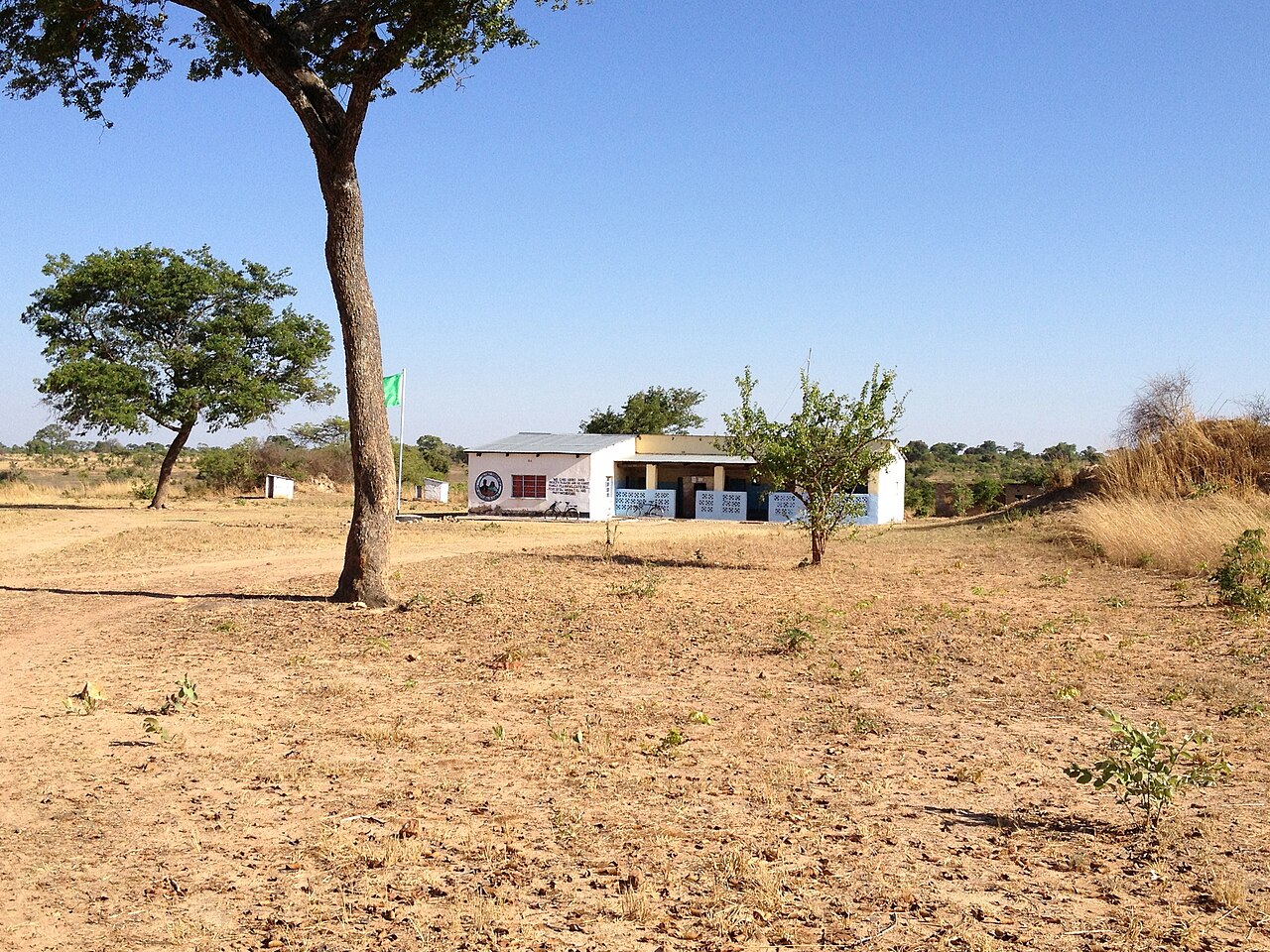
Featured image. Source: Wikimedia Commons, RHC-_Kalonda_Rural_Health_Centre.jpg. Credit: S1m0nB3rry. License: CC BY-SA 2.0.