


New Hybrid Bird Discovery In Texas Reveals Shocking Evolutionary Secret That Terrifies Scientists And Changes Everything Forever
 By
Joseph Mwangi
By
Joseph Mwangi
| IN A NUTSHELL |
|
The discovery of a rare hybrid bird in Texas has reignited discussions on climate change and its impact on wildlife. Found in a suburban backyard, this unique bird is the offspring of two iconic species: a male blue jay and a female green jay. This remarkable event highlights the complex interactions between climate change, species distribution, and hybridization. As the world warms, animals are forced to adapt by moving into new territories, sometimes leading to unexpected genetic crossings. This discovery not only provides a glimpse into the future of wildlife evolution but also underscores the unpredictability of nature.
The Unexpected Hybrid: A Rare Discovery in Texas
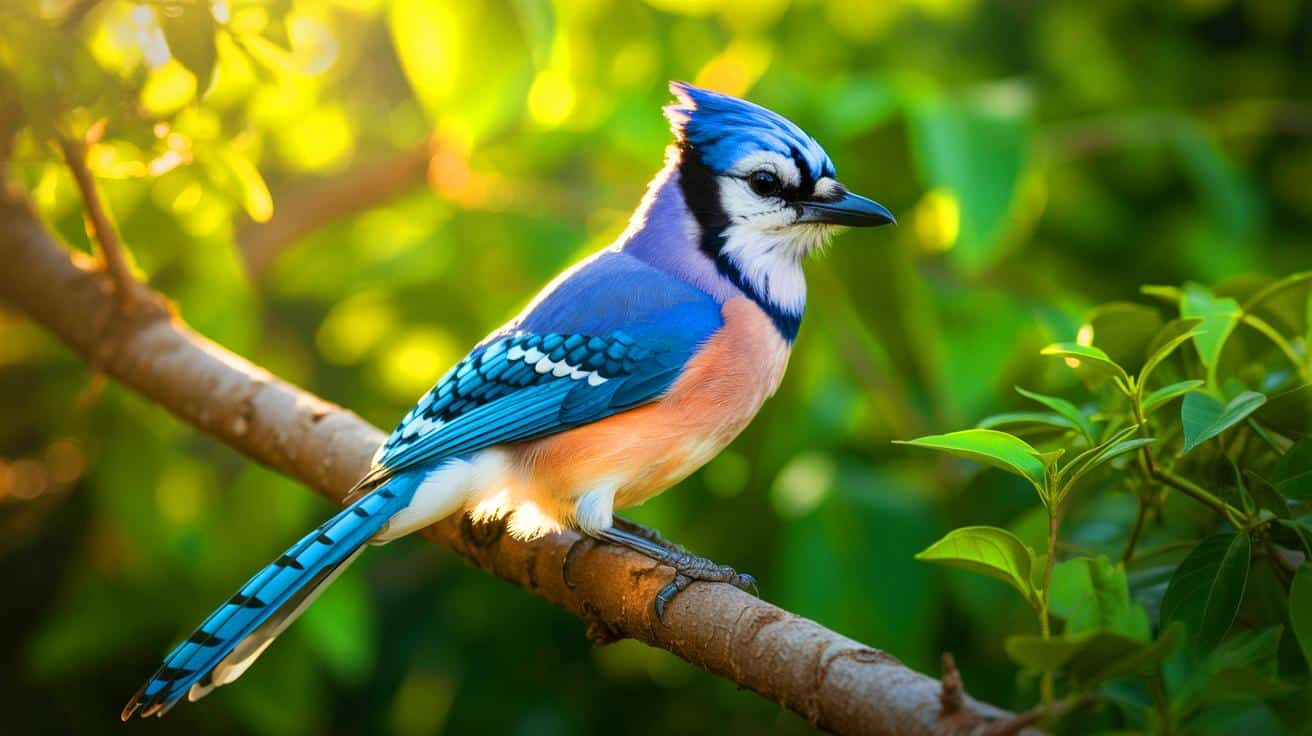
In June 2025, a bird that defied classification was discovered by a resident in a neighborhood northeast of San Antonio, Texas. Initially mistaken for a blue jay, the bird’s black mask and white chest suggested something unusual. The sighting caught the attention of Brian Stokes, a graduate student at the University of Texas at Austin, who was conducting research in the area. The image, shared on social media, led Stokes to investigate further, resulting in the confirmation of one of the first documented cases of hybridization between these two species.
The hybrid bird was born from a male blue jay and a female green jay, two species that have seen their habitats converge due to climate change. Traditionally, green jays were confined to the tropical regions of Central America, while blue jays were common in the eastern United States. However, shifts in climate have led both species to expand their ranges, with green jays moving north and blue jays heading west. This overlap created the conditions necessary for this genetic crossover, resulting in the hybrid bird.
Climate Change Driving New Animal Hybrids
“We think it’s the first observed vertebrate that’s hybridized as a result of two species both expanding their ranges due, at least in part, to climate change,” remarked Brian Stokes, the lead author of the study. The discovery demonstrates how climate change is altering ecosystems in unpredictable ways. As temperatures rise and weather patterns shift, species are forced into new territories, sometimes leading to unexpected interactions with other species.
Historically, blue jays and green jays had distinct territories with minimal overlap. By the 1950s, their habitats were largely separate. However, changing climate patterns have driven these species into closer proximity. This new overlap has resulted in hybridization events, raising questions about climate change’s role in accelerating these biological phenomena.
A Serendipitous Encounter: The Mystery of the Backyard Bird
The discovery of the hybrid bird involved a mix of serendipity and scientific inquiry. Stokes learned about the bird from a blurry social media post while conducting field research nearby. The first attempt to capture the bird was unsuccessful. "The first day, we tried to catch it, but it was really uncooperative," Stokes recalled. However, on the second day, luck was on their side.
Using a mist net, a method that allows for the safe capture of birds, Stokes and his team were able to take a blood sample for genetic analysis and band the bird's leg for future tracking. The bird disappeared for several years, only to reappear in the same backyard in June 2025. The reason for its return remains unknown, but Stokes noted, "It was kind of like random happenstance."
The Growing Importance of Hybridization in the Wild
The significance of this discovery lies in the increasing frequency of hybridization between species that traditionally would not interact. Stokes noted, "Hybridization is probably way more common in the natural world than researchers know about." As species shift their ranges due to climate change, hybridization may become more prevalent, potentially leading to the emergence of new species or changes in existing populations.
While once considered rare, hybridization may soon play a crucial role in understanding evolutionary processes amid climate disruption. As animals continue to adapt to changing environments, the study of hybrids will provide valuable insights into the future of biodiversity and the resilience of ecosystems.
As scientists continue to study the implications of hybridization in the wild, questions remain about the long-term effects of climate change on biodiversity. How will these new hybrids impact their ecosystems, and what does this mean for the future of wildlife conservation?