




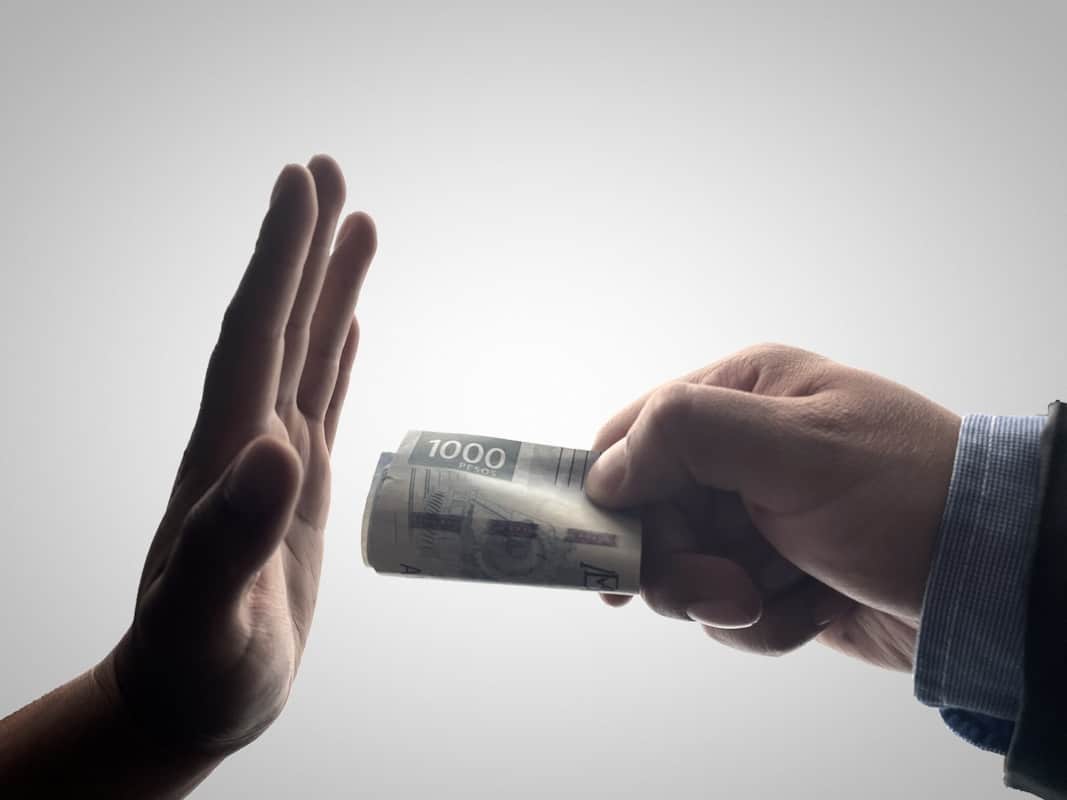
The COVID-19 pandemic created not only a global health emergency but also fertile ground for corruption, bribery, and misuse of public funds. As governments mobilized massive recovery packages to stabilize economies, opportunities for fraud—particularly in public procurement and healthcare—multiplied.
Rising Corruption Risks in a Time of Crisis
The urgency of the pandemic led to simplified procurement rules and rapid spending decisions, which opened loopholes for corruption and organized crime. International organizations such as the United Nations, OECD, and Council of Europe quickly warned of these risks. They emphasized that maintaining transparency, accountability, and public trust was essential to effective crisis management.
The UN Office on Drugs and Crime (UNODC) and OECD both highlighted corruption linked to fake vaccines, medical product counterfeiting, and illicit financial flows. The G20 Anti-Corruption Working Group issued recommendations focusing on preparedness, mitigation, and recovery to better address corruption in future emergencies.
The EU’s Legal and Financial Safeguards
At the European level, the Council of Europe’s GRECO issued guidelines to help member states detect and prevent corruption in health-related procurement and research. The European Union went further by introducing a conditionality mechanism tying access to EU recovery funds to respect for the rule of law.
This means that if a member state fails to ensure independent courts or effective prosecution of fraud and corruption, EU funding may be suspended. The mechanism also strengthens cooperation with the European Public Prosecutor’s Office (EPPO), launched in June 2021, which investigates crimes affecting the Union’s financial interests.
Lessons and Outlook
The pandemic exposed systemic vulnerabilities but also pushed governments and institutions to modernize oversight and enforcement mechanisms. Strengthening transparency, monitoring public spending, and prosecuting corruption are now seen as essential to both economic recovery and citizen trust.
While COVID-19 increased short-term corruption risks, it also accelerated long-term reforms toward greater integrity and good governance at both the international and EU levels.