


How to Keep Household Drinking Water Safe From Source to Cup
Water can be clean at the source and unsafe by the time it is drunk. This guide explains how to choose containers, store water and pick a treatment method that fits your household.
 By
Joseph Mwangi
By
Joseph Mwangi
Safe drinking water is rarely lost at the source alone. In many households the real risk appears between the tap, the well or the public standpipe and the cup. Water that was acceptable when collected can become unsafe after a few hours in a dirty container, a dipped hand or an uncovered bucket. Understanding this chain, and protecting every link in it, is one of the most practical public health habits a family can build.
In brief
- In many households the real risk appears between the tap, the well or the public standpipe and the cup.
- Treatment depends on what is wrong with the water.
- Taking a few careful steps at home is a modest effort with a lasting return for everyone who drinks from the same container.
Start with the container, not the water
The vessel you use matters as much as the water you pour into it. Containers with a narrow opening and a tight lid are far safer than open buckets, because hands, cups and insects cannot reach the contents. A container that once held fuel, pesticide, paint or chemicals should never be reused for drinking water, however well it has been rinsed. Food grade plastic, ceramic and metal vessels designed for water are better choices.
Wash the container regularly with clean water and a little soap, scrub the inside with a brush or cloth kept only for this purpose, and rinse it thoroughly. Let it dry in the open air when possible. Biofilm, the slimy layer that builds up on inner walls, shelters germs and can recontaminate even treated water, so regular cleaning is not optional.
Keep hands and cups out of the stored water
One of the most common routes of contamination is also the simplest: someone dips a cup into the storage jar. Even clean looking hands carry microbes. A tap fitted low on the container, or a long handled ladle that is hung on a clean hook and used by everyone, removes this risk. Pouring is always safer than dipping. If your container has no tap, tilt it carefully and pour, or transfer a small amount into a clean jug for daily use.
Store water off the ground, away from animals, waste, cooking smoke and cleaning products. A shaded, cool place also slows the growth of algae and bacteria, and keeps plastic from degrading in strong sun.
Choose a treatment method that fits your situation
Treatment depends on what is wrong with the water. Cloudy water should be allowed to settle and then filtered through a clean cloth or a proper filter before any disinfection, because particles can shield germs from heat and chemicals. After that, three household approaches are widely recommended by public health agencies.
- Boiling is the most dependable way to kill disease causing organisms. Bring the water to a full rolling boil, keep it there for a few minutes, then let it cool in its covered pot or in a clean container. Boiling does not remove dissolved chemicals, and it requires fuel, which is a real cost and a smoke exposure risk in poorly ventilated kitchens.
- Chlorine tablets or drops, sold for household use, are convenient and leave a protective residual in the water. Follow the instructions on the package exactly, and wait the full contact time before drinking. The water may taste slightly of chlorine, which is normal and can fade if the container is left open briefly.
- Filters vary widely. Ceramic and membrane filters can remove many germs, but they only work as claimed if they are cleaned, maintained and replaced as the maker advises. A cracked or poorly seated element gives a false sense of security.
Solar disinfection, where clear bottles are left in strong sunlight for a full day, is another option in sunny regions, but it works only with fairly clear water and in suitable containers. Whatever you pick, consistency beats perfection: a simple method used every day protects more people than an advanced one used occasionally.
Common mistakes that undo good work
Treating water and then pouring it into a container that has not been cleaned is the most frequent error. Another is using the same cloth to wipe the container and the kitchen counter. People also mix treated and untreated water in the same jar, assuming the treated portion will purify the rest. It will not.
Children, older adults, pregnant women and people with weakened immunity are more vulnerable to waterborne illness, so households that include them should be especially strict. Signs such as repeated diarrhea, vomiting or fever deserve medical attention, and rehydration should never be delayed while waiting to identify the cause.
Build a routine the whole household shares
Habits last when everyone understands the reason for them. Explain to children why hands stay out of the jar. Assign one person to clean the container on a regular schedule. Keep treatment supplies in the same place as the water so that nobody skips a step in a hurry. Communities that agree on shared practices, such as keeping the area around a public water point clean and drained, see the benefit multiply, because one careless user can affect many families.
Safe water is not only a technical matter. It supports school attendance, working days, nutrition and household budgets, since fewer illnesses mean fewer lost days and lower medical costs. Local health workers, clinics and water authorities are the best source of advice tailored to your area, including guidance on what to do after floods or when a source is suspected of contamination. Taking a few careful steps at home is a modest effort with a lasting return for everyone who drinks from the same container.
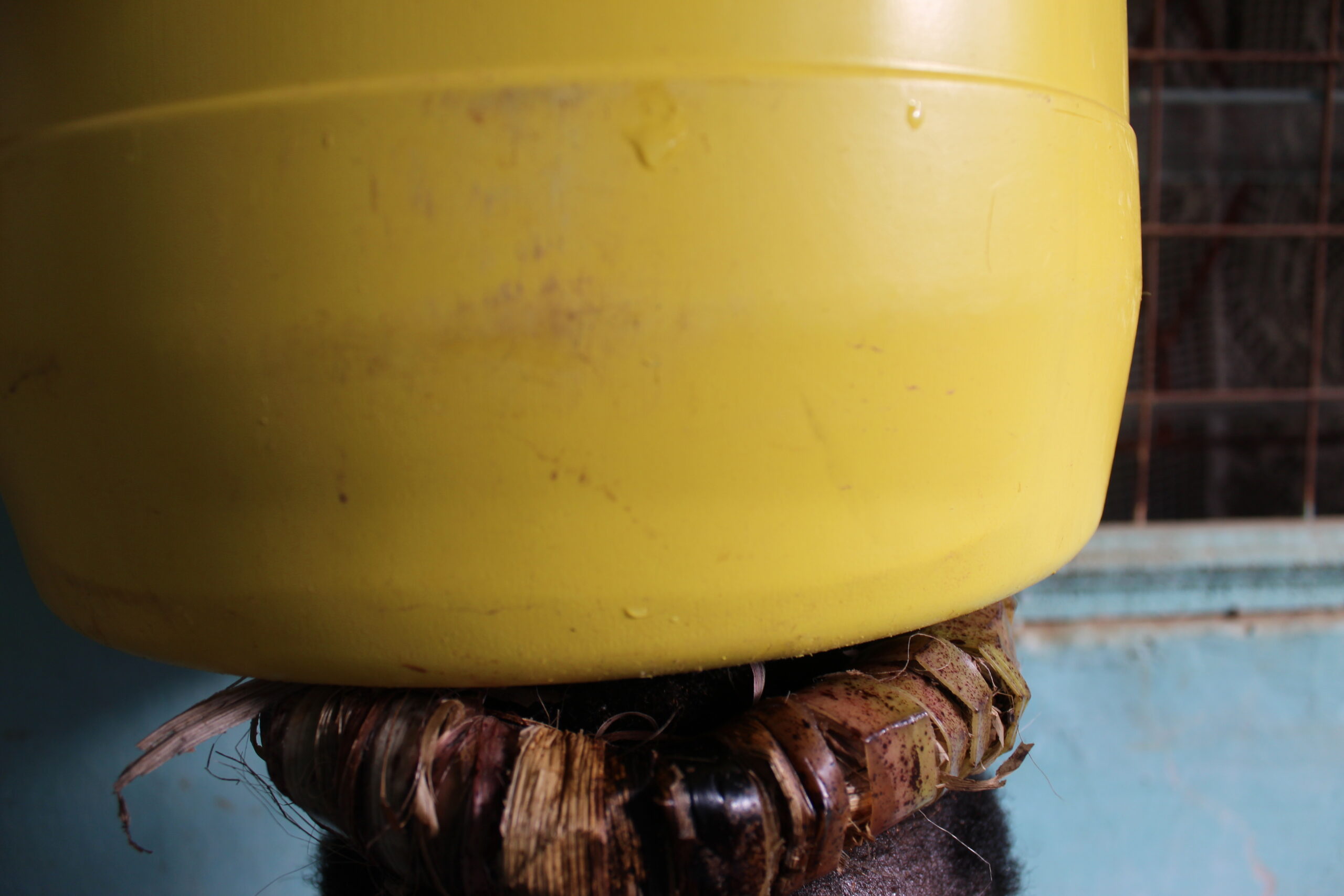
Featured image. Source: Wikimedia Commons. Credit: Cynthia Doresi. License: CC BY-SA 4.0.
Continue reading