



Exploring the waterways and lakes of Africa
 By
Nomvula Dlamini
By
Nomvula Dlamini
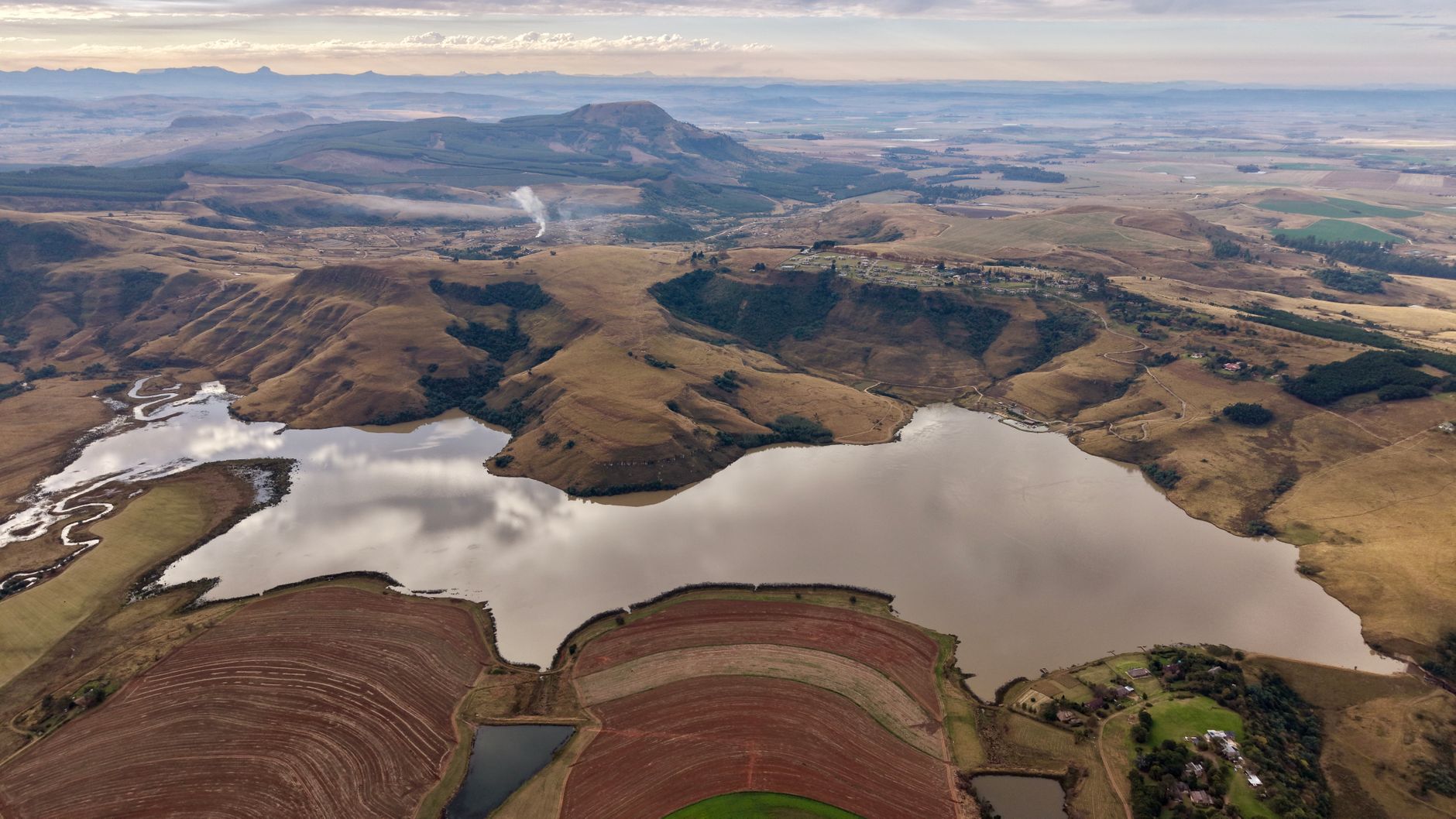
|
IN A NUTSHELL |
|
Exploring the waterways and lakes of Africa reveals landscapes that are at once ancient arteries of civilization and urgent test cases for modern conservation. From the Nile – the continent’s storied lifeline – to the broad expanse of Lake Victoria, the abyssal depths of Lake Tanganyika and the seasonal mosaic of the Okavango Delta, these freshwater systems sustain millions, underpin local economies and harbor exceptional biodiversity. Yet rising pressures – pollution, invasive species, overfishing and climate volatility – threaten both ecological integrity and communities that depend on these waters. Journalists, scientists and travellers increasingly argue that responsible access and targeted restoration are not optional but imperative if these waterways are to remain productive and resilient. Reporting from their shores requires more than picturesque scenes; it demands scrutiny of governance, water rights and the uneven impacts of development. Well-crafted tours and community-led initiatives can model sustainable interaction, but only if policy, investment and local knowledge align.
Understanding Africa’s waterways
Africa’s rivers and lakes are not ornamental features on a map; they are geopolitical arteries, ecological engines and cultural reference points. For millions of people the freshwater of Lake Victoria, the Congo basin and the Nile is the difference between subsistence and collapse. That reality demands a shift from passive admiration to active stewardship: the continent’s waterways must be managed as integrated systems that supply food, transport, energy and cultural identity.
Waterways shape landscapes and livelihoods simultaneously, which means policy must be cross‑sectoral and locally grounded. Scientific mapping and modern cartography now bring hidden channels and seasonal floodplains into clearer view: tools such as the Africa hidden waterways guide help planners and travellers identify routes and conservation priorities (researchhub.blog).
In arguing for systemic management, one cannot ignore how maps and data change choices on the ground. Interactive atlases like the continent-wide lakes and rivers maps provide the context needed for responsible tourism, infrastructure siting and biodiversity protection (assendelft.co.za). Data-driven decisions reduce conflict over resources and improve outcomes for fisheries, wetlands and riverine communities.
At the same time, the practical experience of travelling these waterways shows the need for sensitivity: many routes used for centuries by local people intersect with new tourism corridors. Recognising that rivers are shared public goods reframes tourism, conservation and development as complementary rather than competing goals. These claims demand evidence, and the growing body of region-specific research and guides is making that evidence accessible to stakeholders from tour operators to river basin authorities.
Key lakes and what they reveal
Lake Victoria, Tanganyika, Malawi, Chad and Turkana are more than spectacular bodies of water; they are barometers of ecological change and social pressure. Each lake tells a story: Lake Victoria of invasive species and overfishing, Lake Tanganyika of deep‑water endemism and fragile food webs, Lake Malawi of extraordinary cichlid diversity and tourism potential, and Lake Chad of dramatic shrinkage that exposes the limits of current water governance.
When a lake changes, an entire economy and culture can be destabilised. Lake Chad’s contraction is a vivid example: communities that once relied on predictable wet and dry cycles now face displacement and intensified competition. Restoration efforts are politically fraught but necessary, and lessons from these basins inform broader resilience strategies.
Some lakes also present unique tourism and conservation opportunities. Lake Turkana’s fossil sites and volcanic landscapes are globally significant; Lake Nakuru’s flamingo aggregations are a visual argument for strong park protection; Lake Assal’s salt pans illustrate how saline lakes can be both extractive landscapes and photogenic, fragile ecosystems. The practical implications are clear: conservation must be tailored to each lake’s ecological and cultural context.
Travelers and managers should consult regionally oriented resources that link natural history to travel logistics and conservation best practices. Compilations that combine safari-by-water perspectives with destination intelligence help navigate both experience and impact (africa-born.com). Understanding what each lake reveals about human pressure and ecological resilience is essential to any responsible engagement.
Major rivers and geopolitical stakes
The Nile, Congo, Zambezi and Limpopo are not only ecological corridors but also political fault lines. Control of river flows, dam construction and water allocation shape national development strategies and regional diplomacy. The Nile’s historic centrality to Egyptian civilization now translates into contemporary debates over upstream development, while the Congo’s discharge fuels biodiversity that underpins both local livelihoods and global climate regulation.
Rivers equal power – hydraulic, economic and diplomatic. New interpretations of ancient hydraulic engineering underscore how fundamental water control has been to state formation; recent studies argue water management contributed to monumental construction in ancient Egypt, reminding modern planners that water governance has long political consequences (africatimes.com).
Hydropower and irrigation present double‑edged swords: they provide energy and food security, yet poorly coordinated projects can alter sediment flows, fisheries and floodplain fertility downstream. The Zambezi’s hydro infrastructure around Victoria Falls offers economic benefits but also demands transboundary cooperation to protect tourism and ecosystems. Similarly, the Limpopo’s riparian communities depend on seasonal patterns that are vulnerable to upstream extraction.
Responsible governance requires more than bilateral treaties; it demands basin-wide institutions, transparent data sharing and stakeholder engagement. Water safari routes have grown in popularity and can become economic incentives for cooperation – guides and operators showcased in features about legendary water safaris highlight how tourism can reinforce conservation if it is equitably managed (africageographic.com). Failing to treat rivers as shared assets invites conflict; treating them as shared opportunities creates lasting benefits.
Travel strategies for waterways and lakes
Travel should be reframed from mere consumption of scenery to active participation in conservation and local economies. Plan trips around low‑impact modes like traditional canoes, guided boat safaris and controlled dive operations. Practitioners who follow detailed guides provide better experiences and reduce environmental footprints; comprehensive boat safari guides explain appropriate behaviour, permit systems and safety considerations (africaexoticsafaris.com).
Your choices as a traveler determine whether a waterway becomes a conservation asset or a degraded liability. Choose operators who employ local guides, invest in community projects and limit group sizes. Resources that map waterways and suggest less‑visited routes help spread tourist pressure and economic benefits more evenly across regions (researchhub.blog).
Below is a compact reference table to help orient travellers to activity, timing and impact:
| Waterway | Best activities | Best time | Notes |
|---|---|---|---|
| Okavango Delta | Mokoro canoeing, birdwatching | May – Sep | Water‑based safaris; respect seasonal access |
| Zambezi / Victoria Falls | Rafting, sunset cruises | May – Oct | High tourism value; support local guides |
| Lake Malawi | Snorkeling, diving | May – Oct | Clear waters; fragile cichlid habitats |
| Lake Victoria | Fishing villages, boat tours | Jun – Oct | Consult local communities; invasive species concerns |
| Lake Turkana | Fossil sites, cultural visits | Jul – Oct | Remote; plan logistics carefully |
For curated itineraries that emphasise responsible river travel and local empowerment, look to resources that combine logistics with conservation messaging (africa-born.com). Practical preparation – seasonality, vaccination, local permits – is non‑negotiable for safe, positive engagements.
Conservation challenges and practical responses
Pollution, invasive species, overfishing, illegal mining and electronic waste converge to threaten freshwater integrity. Illegal small‑scale mining, or galamsey, has demonstrable consequences for river health and community safety; dramatic incidents tied to such activities underscore the need for enforcement and alternative livelihoods (africatimes.com).
Environmental harm is rarely a single‑issue problem; it is a compound crisis that requires coordinated social, economic and technical responses. Electronic waste is another cross‑cutting challenge: innovative recycling and circular‑economy approaches in Africa offer templates for reducing toxic runoff into watercourses (africatimes.com).
Effective responses combine mapping, community stewardship and market incentives. Spatial resources that identify lakes and rivers help target interventions and monitor change (assendelft.co.za). Practical conservation includes community co‑management of fisheries, enforcement against destructive mining, habitat restoration and invasive species control. Tourism can be a lever for conservation when revenues are transparently returned to local custodians and when visitor behaviour is regulated.
Finally, communication and narratives matter. Highlighting the cultural and historical links between water and society – such as research that places hydraulic engineering at the centre of early state formation – reframes water protection as both an ecological and a heritage imperative (africatimes.com). Conservation succeeds when technical solutions are paired with social legitimacy and economic incentives that make healthy waterways the rational choice for communities and governments alike.
Exploring the Waterways and Lakes of Africa: Imperatives and Opportunities
Exploring the waterways and lakes of Africa is not a leisure choice alone; it is a necessary engagement with landscapes that sustain millions of lives and unparalleled biodiversity. The argument is simple: these rivers and lakes – from the Nile to Lake Victoria, from the depths of Lake Tanganyika to the clear waters of Lake Malawi – are central to regional food security, culture, and transport. Visiting them responsibly strengthens the practical case for long-term protection by channeling economic value into conservation rather than exploitation.
Economically and culturally, the case for purposeful exploration is compelling. Local fisheries, transport routes and riparian communities depend on healthy aquatic ecosystems. Thoughtful tourism and scientific engagement generate income and political attention that can fund restoration and monitoring – for example, efforts to address invasive species in Lake Victoria or to stabilize shrinking basins like Lake Chad. Visitors who prioritize community-led experiences and local guides convert curiosity into investment, supporting livelihoods while amplifying indigenous stewardship practices.
The counterargument – unregulated visitation and extractive development – poses real threats: pollution, habitat loss, overfishing, and climate-driven hydrological change. Protecting the continent’s waterways demands policies that favor conservation, equitable resource-sharing, and resilient infrastructure. Empirical evidence shows that safeguarding biodiversity around lakes and rivers enhances ecosystem services and buffers communities against shocks. Thus, exploration should be framed by rigorous environmental safeguards, clear benefit-sharing mechanisms, and scientific monitoring.
Ultimately, exploring Africa’s lakes and rivers must be an intentional act that balances curiosity with responsibility. Travelers, operators, and policymakers should prioritize sustainable tourism, support restoration projects, and involve local communities in decision-making. Doing so transforms visits from transient enjoyment into durable support for ecosystems that are vital to cultural identity, regional economies, and global biodiversity.
Q: What are the most significant lakes and rivers in Africa that travelers should know about? A: The continent’s critical waterways include the Nile, the Congo River, and the Zambezi, alongside major lakes such as Lake Victoria, Lake Tanganyika, Lake Malawi, Lake Chad, Lake Nakuru, Lake Turkana, and the saline Lake Assal. Knowing these names matters because they represent hubs of biodiversity, human livelihoods, and unique travel experiences that cannot be substituted by lesser-known sites. Q: Why should conservation of these waterways be a travel priority? A: Prioritizing conservation is not optional; it’s necessary. These lakes and rivers sustain fisheries, irrigate agriculture, and host endemic species. When visitors choose eco-conscious operators and reduce pollution, they actively protect the biodiversity that makes places like Lake Tanganyika and the Okavango Delta world-renowned. Responsible tourism preserves resources for local communities and future travelers. Q: What are the main threats facing Africa’s lakes and rivers? A: The primary threats are pollution, invasive species, overfishing, unsustainable development, and climate-driven water scarcity – exemplified by the dramatic shrinkage of Lake Chad. These pressures degrade ecosystems and jeopardize livelihoods, so mitigation through policy, local stewardship, and informed travel choices is imperative. Q: How do lakes and rivers contribute to local cultures? A: Waterways are woven into social and spiritual life across Africa. Villages grow around lakes and riverlands; rituals, festivals, and traditional fisheries practices revolve around them. Ignoring cultural contexts when visiting risks harm; engaging respectfully supports community resilience and enriches the traveler’s understanding. Q: When is the best time to visit these destinations? A: Timing depends on objectives. For wildlife concentration and clear game viewing, the dry season is often best – for example, May to September for the Okavango Delta. For comfortable river cruises and mild weather along the Nile, cooler months are preferable. Planning with seasonal considerations in mind optimizes both safety and ecological impact. Q: What activities are most rewarding on African lakes and rivers? A: High-value activities include guided boat safaris, snorkeling and diving in Lake Malawi and Lake Tanganyika, birdwatching at Lake Nakuru, and white-water rafting on sections of the Zambezi. Choose locally run, low-impact excursions to ensure those activities benefit communities and protect habitats. Q: How can I travel sustainably when visiting these waterways? A: Sustainable travel means choosing certified eco-tours, minimizing single-use plastics, respecting fishing regulations, and hiring local guides. Advocate for conservation fees that fund habitat protection and favor accommodations that demonstrate tangible benefits for nearby communities and ecosystems. Q: What safety considerations should travelers keep in mind? A: Safety spans health, wildlife, and water risks. Be aware of disease risks, follow water-safety rules, and never underestimate wildlife near riverbanks and deltas – hippos and crocodiles are dangerous. Using experienced local guides reduces risk and increases the chance of meaningful encounters. Q: Which destinations offer the most dramatic spectacles? A: For sheer spectacle, Victoria Falls on the Zambezi is unmatched; the Okavango Delta delivers unique floodplain safaris; Lake Nakuru presents unforgettable flocks of flamingos. Visiting these places is persuasive evidence that protecting waterways yields irreplaceable natural wonders. Q: How can visitors support local communities when exploring waterways? A: Support comes from hiring local guides, purchasing local crafts, using community-run lodges, and engaging in cultural exchanges on terms set by residents. Financial benefits tied to sustainable tourism create incentives for communities to conserve water resources and wildlife. Q: Are there unique or off-the-beaten-path sites worth seeking out? A: Yes. The saline Lake Assal in Djibouti and the remote Lake Turkana offer stark, otherworldly landscapes and paleontological significance. These destinations demand careful preparation but reward travelers with solitude and insight into the continent’s geological and human history. Q: What practical preparations should travelers make before visiting? A: Prepare by researching local seasons, obtaining necessary vaccinations, packing appropriate gear for water and sun protection, and arranging travel insurance. Prioritize operators who demonstrate commitments to safety and conservation, because preparedness amplifies positive outcomes for both visitors and host environments.Frequently Asked Questions – Exploring the Waterways and Lakes of Africa