


E-Waste in Africa: From Toxic Crisis to Circular Economy Opportunity
 By
Joseph Mwangi
By
Joseph Mwangi
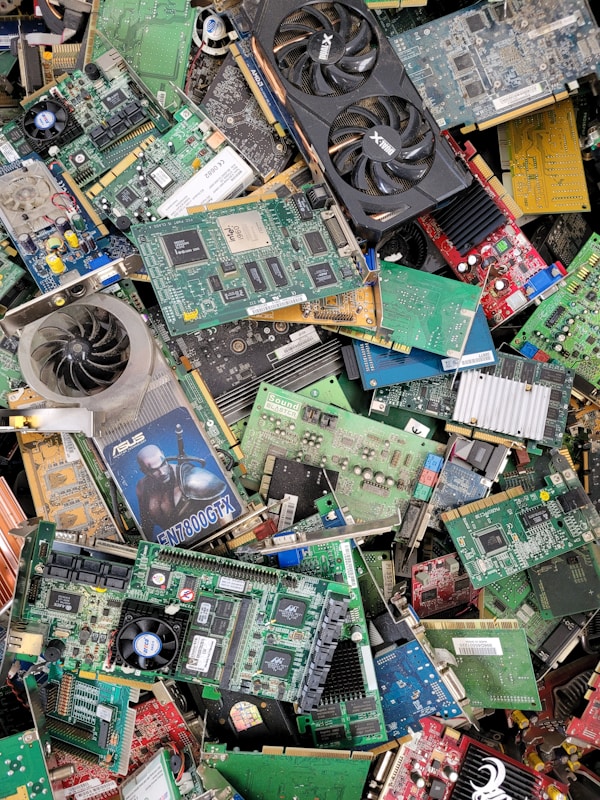
The worldwide surge in electronic device consumption has triggered a mounting environmental threat: the rapid accumulation of electronic waste, or e-waste. This category includes discarded parts and components from smartphones, laptops, televisions, and home appliances. Unlike organic waste, e-waste does not decompose, making its disposal costly, technically complex, and environmentally hazardous.
Not only is e-waste non-biodegradable, but it is also extremely toxic. It contains materials such as lead, mercury, cadmium, and persistent organic pollutants – substances known to contaminate soil, water, and air. These pollutants can cause severe long-term harm to ecosystems, as well as serious health risks to humans, including respiratory illnesses, neurological disorders, and cancers. The e-waste crisis has emerged as one of the most urgent environmental challenges of the 21st century.
Escalating Global Levels
In 2022, global e-waste generation reached an estimated 62 million tonnes – an 82% increase since 2010. Projections suggest this figure could skyrocket to 82 million tonnes by 2030. Alarmingly, approximately 85% of global e-waste ends up in landfills, particularly in Asia and Africa, where weak regulatory systems often allow hazardous dumping.
Improper disposal leads to greenhouse gas emissions, polluted waterways, contaminated soil, and declining air quality. As managing e-waste domestically is costly, many developed countries export their electronic waste – frequently via illegal routes – to developing regions, shifting the environmental burden to vulnerable nations.
Africa’s E-Waste Burden
Africa faces a dual challenge: rising domestic e-waste and large illegal imports. In 2019, the continent produced approximately 2.9 million tonnes of e-waste, with Egypt, South Africa, and Nigeria leading in volume. However, Africa is also a dumping ground for an estimated 3.4 to 5.8 million tonnes of foreign e-waste annually.
This influx exacerbates pollution and public health problems. Hazardous substances such as heavy metals and flammable chemicals leach into the environment, affecting nearby residents. Prolonged exposure can result in neurological damage, respiratory issues, and increased cancer risks.
Informal Recycling: A Silent Danger
A significant portion of Africa’s e-waste is handled by the informal sector, particularly in countries like Ghana and Kenya. Sites like Agbogbloshie in Ghana and the Dandora dumpsite in Kenya have gained notoriety for unsafe recycling practices, including open burning of electronic components to recover scrap metals. These methods expose workers – including children – to toxic fumes and contaminated environments, while degrading soil and water sources.
The dominance of informal e-waste recycling, coupled with limited infrastructure and weak regulations, has become a major barrier to safe and sustainable waste management.
Transforming Crisis into Opportunity: The Shift to a Circular Economy
Despite its dangers, e-waste also carries potential for economic and environmental transformation. Transitioning to a circular economy – where electronic products are repaired, reused, refurbished, and recycled – could turn waste into wealth. Proper recycling systems can recover valuable materials such as gold, copper, and rare earth metals, reducing reliance on mining and supporting local manufacturing industries.
To make this transition possible, African nations must:
- Implement stronger e-waste policies and enforcement
- Invest in modern recycling infrastructure
- Support formal recycling networks and worker safety
- Launch public awareness campaigns
- Promote innovation in green technologies
- Create training programs and green job opportunities
Looking Ahead: A Sustainable Future
Developing an efficient and regulated e-waste management system will reduce environmental degradation, protect public health, and stimulate economic development. By positioning e-waste as a resource rather than a burden, Africa can foster green industries, empower local communities, and drive sustainable growth.
With strategic investment, policy reform, and a circular economy mindset, the continent can transform today’s toxic challenge into tomorrow’s green opportunity – laying the foundation for a resilient and environmentally responsible future.