



“He Just Turned on Trump”: Elon Musk’s Explosive ‘Epstein List’ Claim Shakes MAGA and Sparks a Political Firestorm (And It’s Far From Over)
 By
Kwame Asante
By
Kwame Asante
| IN A NUTSHELL |
|
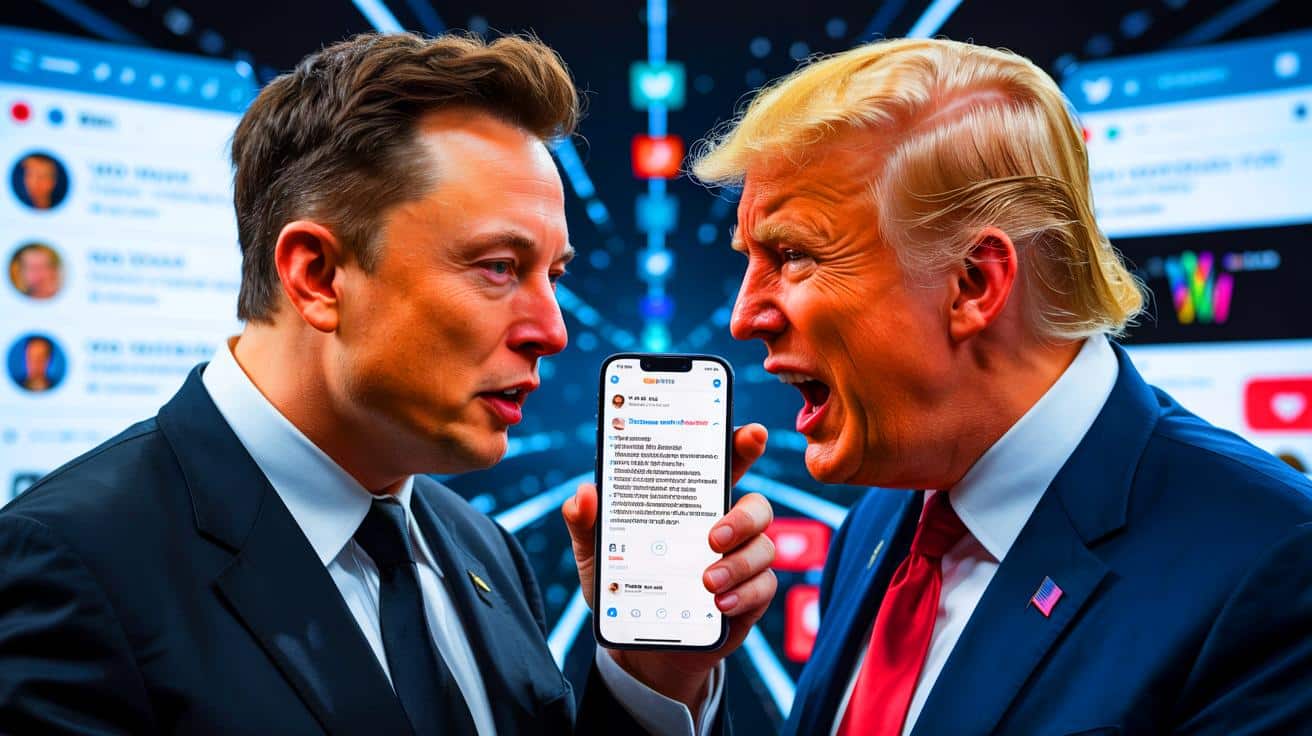
Elon Musk, the influential entrepreneur and CEO of companies like Tesla and SpaceX, once played a pivotal role in supporting Donald Trump’s rise to the presidency. However, in a dramatic turn of events, Musk has now distanced himself from Trump, sparking a public and contentious feud. This shift in their relationship reached a crescendo with Musk’s explosive social media allegations, placing Trump on a purported “Epstein List.” The fallout from this allegation has not only captured public attention but also reignited discussions about power, influence, and accountability in American politics.
Elon Musk’s Strategic Disruption
Elon Musk’s recent allegations against Donald Trump are not merely an act of personal vendetta. They appear to be a calculated move to disrupt the political landscape and challenge the unity of Trump’s support base, particularly among the “Make America Great Again” (MAGA) followers. By invoking the controversial “Epstein List,” Musk aims to sow discord within the Republican ranks.
The concept of a powerful elite shielding their interests at the expense of justice and equality is a cornerstone of MAGA beliefs. During his campaigns, Trump often positioned himself as a disruptor, vowing to dismantle these elite networks. By suggesting Trump’s involvement with Jeffrey Epstein, Musk effectively paints him as part of the very establishment he claimed to oppose. This bold accusation seeks to fracture Trump’s support and question his integrity.
Such a maneuver by Musk is unprecedented in its boldness and potential impact. It underscores a broader strategy to not only question Trump’s moral standing but also to realign the narrative around the power dynamics within American politics.
Setting the Agenda
Elon Musk’s ability to dominate the news cycle is a testament to his influence. On June 5th, his provocative social media post shifted the focus of media discussions, a feat Trump had mastered since his initial electoral victory. Musk’s intervention indicates a shift in the power to set the national conversation.
Trump’s ability to control the narrative has been a cornerstone of his political strategy. By being the first to address issues, he framed them on his terms. However, Musk’s intervention disrupted this dynamic. By introducing a new and contentious topic, Musk seized control of the media agenda, leaving Trump on the defensive.
This strategic maneuver demonstrates Musk’s understanding of media dynamics and his desire to influence public discourse. It also raises questions about the role of influential figures in shaping political narratives and the implications of such power shifts.
Trump’s Response and the Public’s Curiosity
Faced with Musk’s allegations, Donald Trump was compelled to respond. Initially, he attempted to downplay the situation by having the post removed, a move that temporarily contained the fallout. However, the viral nature of Musk’s message made a public response inevitable.
Trump characterized the allegations as a “hoax” and urged his supporters to dismiss them. Yet, the public’s curiosity had already been piqued. The promise of revealing the so-called “Epstein List” has left audiences eager for resolution. Questions linger: Does such a list exist, and if so, will Trump ever disclose it?
This situation highlights the challenges faced by public figures in managing their narratives amidst widespread social media speculation. It also underscores the public’s insatiable appetite for transparency and truth, especially when high-profile figures are involved.
The Power of Social Media Influence
Elon Musk’s allegations and Trump’s subsequent response underscore the profound impact of social media on contemporary politics. Platforms like X, formerly known as Twitter, offer influential figures a direct line to the public, bypassing traditional media gatekeepers.
Musk’s use of social media to launch his allegations illustrates how these platforms can be leveraged to challenge established power structures. In this digital age, a single post can spark widespread debate and influence public perception.
The power of social media in shaping narratives raises questions about the responsibilities of those who wield such influence. It also highlights the challenges in navigating a landscape where information, misinformation, and public opinion intersect. As digital platforms continue to evolve, their role in political discourse and public accountability remains a critical area of exploration.
The unfolding drama between Elon Musk and Donald Trump reveals the intricate interplay of power, influence, and accountability in modern politics. As the public awaits further developments, the situation poses a fundamental question: How will the dynamics of power and influence continue to evolve in the digital age?