



Key challenges and opportunities in Africa’s education sector
 By
Nomvula Dlamini
By
Nomvula Dlamini
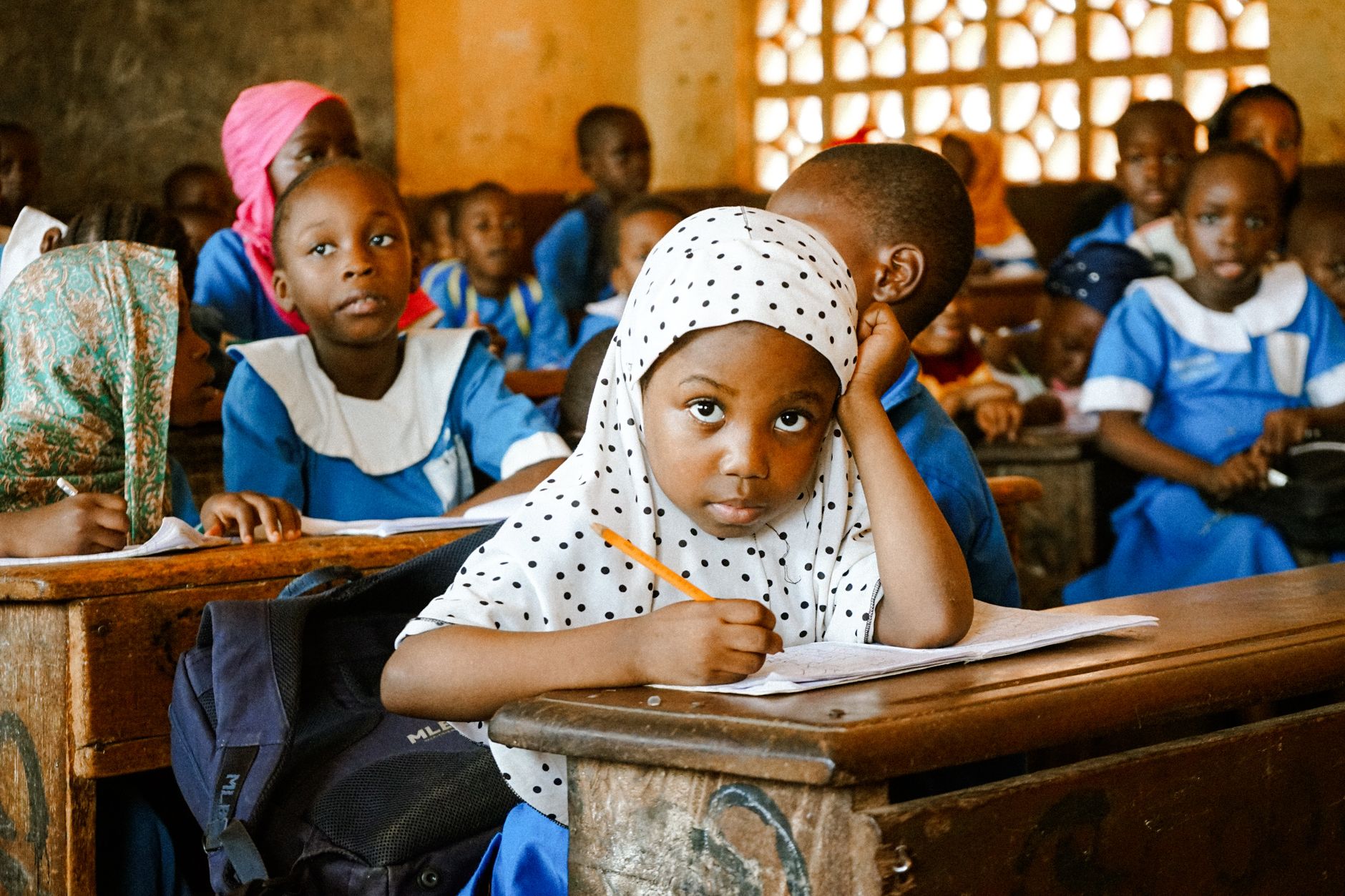
|
IN A NUTSHELL |
|
Facing a demographic boom and accelerating technological change, Africa’s education sector stands at a decisive juncture. Despite notable gains in enrollment, persistent obstacles – unequal access, dilapidated infrastructure, chronic shortages of trained teachers and a widening digital divide – threaten to lock millions of learners into low‑quality schooling. Rural communities bear the brunt: long commutes, scarce learning materials and underfunded schools compound poverty’s grip. Yet opportunity coexists with crisis. Targeted investment in teacher training and school facilities can boost learning outcomes, while scalable technology – from mobile learning to low‑cost connectivity – offers pragmatic routes to reach remote classrooms. International cooperation and private‑sector partnerships can mobilize resources and expertise, but only if policies prioritise equity and local capacity building. Gender disparities remain acute; closing them is both a moral imperative and an economic necessity. The debate is no longer whether change is needed but how quickly policymakers, donors and communities can translate commitments into sustainable, evidence‑based reforms that close gaps and raise standards across the continent.
Access and infrastructure gaps
The most urgent barrier to equitable learning in Africa is plain and measurable: physical access. Rural communities remain underserved by basic school infrastructure, reliable classrooms and consistent learning materials. Children frequently must walk long distances to attend school, and where schools do exist they are often overcrowded or inadequately equipped. These realities are well documented by education analysts and advocates who identify infrastructure shortfalls as a foundation for the continent’s learning crisis. See detailed findings at AllGoodSchools and an overview at Africa Education.
Access problems are not only logistical; they shape educational outcomes. Children who travel long distances arrive fatigued, with irregular attendance and lower retention rates. Physical distance and poor facilities translate directly into lost years of learning for millions. The result is that availability of schooling does not automatically yield meaningful education – quality and continuity matter equally.
Policymakers must treat infrastructure investment as an engine of inclusion rather than a cost center. Investments that expand classrooms, improve sanitation and deliver textbooks must be coupled with transportation strategies, community schooling models and flexible timetables responsive to local economies. International partners and national governments can coordinate better by prioritizing data-driven site selection for new schools and by integrating health and safety improvements as central to educational planning.
A constructive pathway is to combine public funding with targeted donor and private-sector engagement. Mobile outreach units, community-led construction and low-cost modular schools have proven effective in some contexts. For further evidence on pathways forward and data on systemic gaps, consult analyses at Accessible Learning.
Teacher quality and professional development
Teacher shortages and uneven training regimes undermine the return on every dollar invested in school expansion. Across many countries, there is an urgent need for well-qualified, motivated teachers who can deliver pedagogy aligned with 21st-century skills. Short-term recruitment drives that prioritize headcount without attention to training and ongoing support will not close the learning gap. The argument is straightforward: better-trained teachers produce better learner outcomes. Evidence compiled by organizations like Right for Education underlines the value of systemic teacher development over episodic interventions.
Reforming teacher preparation requires a multi-pronged approach. First, pre-service training must be modernized to include learner-centered pedagogy, inclusive classroom management and basic digital literacy. Second, in-service professional development should be continuous, practical and evaluated for impact rather than simply delivered as workshops. Third, incentives and career pathways are essential to retain talent in remote and hard-to-staff areas – financial allowances, housing support and clear progression ladders change retention dynamics.
Governments and donors should invest in scalable models of mentorship and coaching, leveraging regional teacher training colleges and digital platforms to extend expert supervision into classrooms. Coaching-based interventions have a higher likelihood of changing classroom practice than one-off seminars. Collaboration with civil society and teacher unions can ensure reforms respect local conditions while raising standards. For deeper context on systemic teacher challenges and strategic responses, see analyses at INIAfrica.
Digital divide and edtech opportunities
The digital gap in African education is both a barrier and an opportunity. Lack of access to computers, stable connectivity and high-quality digital content excludes learners from critical resources and widens disparities between urban and rural schools. Yet the proliferation of mobile phones and the rise of low-bandwidth learning solutions create realistic routes to expanding reach. Edtech is not a silver bullet, but it is a scalable lever when integrated into broader pedagogical reform. Thoughtful integration of technology can amplify teacher effectiveness, personalize learning pathways and provide diagnostic data to policymakers.
Practical deployment requires distinguishing between hardware provision, connectivity and localized content. Simple distribution of devices fails when teachers lack training or when content is irrelevant to the curriculum and language context. Therefore, technology strategies must be co-designed with educators and targeted at clear learning objectives rather than novelty.
| Solution | Reach | Primary barrier | Best use case |
|---|---|---|---|
| Mobile learning platforms | High (widespread phone ownership) | Content localization, airtime costs | Remote and semi-urban learners with limited bandwidth |
| Offline-rich education apps | Medium | Device distribution, maintenance | Areas with intermittent connectivity |
| Internet-enabled computer labs | Low to medium | Infrastructure and power reliability | Urban schools and teacher training centers |
Strategically deployed edtech can link to teacher training, provide formative assessment and open access to global resources. Case studies and policy recommendations appear at INIAfrica and practical analyses at Accessible Learning. Countries that combine pragmatic technology choices with teacher support and locally relevant content achieve the largest gains.
Gender, equity and sociocultural barriers
Gender disparities and broader equity challenges continue to deny millions of children their right to learn. Girls are disproportionately affected by poverty, early marriage, household labor expectations and safety concerns, all of which reduce school attendance and completion. Targeted strategies that remove financial barriers, ensure safe school environments and incentivize female teacher recruitment are essential. International programs that prioritize girls’ education have shown measurable improvements, and scaling those approaches should be a policy priority.
Equity extends beyond gender. Children with disabilities, linguistic minorities and populations affected by conflict or health crises face compounded disadvantages. Recent public health events and localized outbreaks have repeatedly disrupted schooling – for example, regional health emergencies have cascading effects on attendance, resources and trust in public services; see reporting on cross-border disease concerns at AfricaTimes. Equitable education requires resilience: systems must be prepared to protect learning continuity under stress.
Programs that succeed do three things well: they reduce direct costs to families, they adapt delivery modes to local constraints (for instance through community schools or conditional cash transfers), and they engage communities to shift norms that limit participation. Partnerships with local NGOs, faith-based organizations and community leaders increase legitimacy and uptake. For an integrated view of systemic challenges and policy options, consult the comprehensive reviews at Africa Education and analyses at AllGoodSchools.
Financing, partnerships and policy reform
Transformative change in African education will require coherent financing strategies and durable partnerships. Public budgets remain constrained, and donor support is often fragmented or short-term. This fragmentation undermines the establishment of long-term systems for teacher development, infrastructure maintenance and data-driven policymaking. Financing must shift from episodic project funding to predictable, multi-year commitments aligned with national education sector plans. Private sector actors and impact investors can complement public resources, but careful regulation and clear accountability are necessary to ensure alignment with public objectives.
International cooperation plays a catalytic role when it focuses on capacity building rather than mere cash transfers. Donor-financed technical assistance that strengthens ministry planning, monitoring and procurement systems yields sustainable returns. Successful models combine domestic revenue mobilization with targeted external grants that bridge transitional gaps. For actionable proposals and sector forecasts, see policy-oriented work at Right for Education and strategic perspectives at INIAfrica.
Private-public partnerships must be designed with transparency and an emphasis on public goods: curriculum-aligned edtech, teacher training platforms and infrastructure maintenance contracts are areas where the private sector can create scalable impact. Policy reform should prioritize measurable learning outcomes, fiscal sustainability and inclusive governance. For broader context on social and political pressures that intersect with education funding and reform, relevant reporting is available at AfricaTimes and other regional analyses.
African education stands at a decisive moment where the scale of the problem demands targeted, strategic responses rather than generic reforms. Persistent issues – limited access, uneven quality, and the widening digital divide – are not merely logistical obstacles; they undermine the continent’s potential to convert a demographic dividend into sustained economic and social progress. The argument is straightforward: without prioritizing both physical infrastructure and human capital, efforts to expand enrollment will fail to produce real improvements in learning outcomes.
The most urgent challenges are tangible. Many communities still lack basic school buildings and learning materials, while a chronic shortage of well-trained teachers produces classrooms where rote instruction outstrips critical thinking. The rural-urban gap is amplified by lack of internet connectivity and devices, which leaves entire cohorts unable to benefit from modern pedagogies. Furthermore, cultural and economic barriers keep girls out of school in multiple contexts, perpetuating inequality and limiting national development prospects.
Yet these constraints coexist with clear opportunities that can be seized now. Scalable technology solutions – mobile learning platforms, offline digital libraries, and low-cost connectivity models – offer practical ways to reach remote learners. Focused investment in teacher training and curriculum reform can multiply the impact of scarce resources. International cooperation and private-public partnerships bring finance, technical expertise, and innovation capacity; when channelled toward measurable targets like equitable access and teacher support, they can accelerate progress.
Policy choices will determine whether potential turns into progress. Prioritizing equity – targeting rural areas, girls, and marginalized groups – while aligning donor aid and domestic investment around teacher development and digital inclusion creates the best chance to close gaps. The evidence supports a strategy of coordinated, targeted interventions that link infrastructure, human resources, and technology rather than isolated projects that fail to scale.
FAQ – Key challenges and opportunities in Africa’s education sector
Q: What are the primary barriers to expanding access to education across Africa?
A: The dominant barriers are a combination of inadequate infrastructure, long travel distances in rural areas, and insufficient funding; these problems are not isolated but reinforce one another, so arguing for isolated fixes is ineffective – comprehensive investment in schools, transport, and local systems is required to guarantee meaningful expansion of access.
Q: How does poor infrastructure actually undermine learning outcomes?
A: Weak infrastructure – dilapidated classrooms, lack of materials and limited sanitation – creates environments that impede concentration and attendance; the evidence suggests that without reliable physical resources, even well-designed curricula and motivated teachers cannot deliver improved learning outcomes, so prioritizing durable, safe facilities is essential.
Q: Why must teacher training be a central policy focus rather than an optional supplement?
A: Because teachers translate policy into practice; insufficiently trained educators cannot implement modern pedagogies or manage diverse classrooms, which means expanding enrollment without parallel teacher training risks low-quality education – targeted professional development is therefore a non-negotiable investment for scalable improvement.
Q: In what ways does the digital divide deepen inequality?
A: The digital divide separates students with access to devices and connectivity from those without, reinforcing city-versus-rural and wealthy-versus-poor disparities; as global economies demand digital skills, failing to close that gap effectively locks many learners out of future opportunities, so digital inclusion must be framed as equity policy, not tech novelty.
Q: Are mobile learning and low-tech solutions realistic paths to reach remote learners?
A: Yes – mobile learning and radio-based curricula are pragmatic responses because mobile penetration outpaces computer access in many regions; however, they are not silver bullets and must be coupled with content quality, teacher support, and local adaptation to be genuinely effective at scale.
Q: What responsibilities do governments have in reforming the education sector?
A: Governments must set priorities, allocate sustainable budgets, and enforce standards; private initiatives can innovate, but sustainable system-wide change requires public leadership to align financing, policy, and accountability – failing that, fragmented efforts will produce uneven results.
Q: How can international cooperation accelerate progress without creating dependency?
A: International partners should provide targeted funding, technical expertise, and capacity building that strengthen local ownership; progressive partnerships emphasize transfer of skills and institutional capacity so that support catalyzes independent national systems rather than perpetuating long-term dependency.
Q: What strategies most effectively increase girls’ education and close gender gaps?
A: Combining conditional incentives, community engagement, safe school environments, and targeted scholarships addresses both cultural and economic barriers; the argument is clear: multifaceted interventions that tackle root causes of dropout produce sustainable gains in girls’ education and deliver broader social returns.
Q: Where are the greatest opportunities for innovation in African education today?
A: Opportunities lie at the intersection of affordable technologies, localized content, and teacher empowerment – scaling proven mobile platforms, investing in context-specific curricula, and professionalizing teaching can yield rapid improvements; policy should incentivize scalable pilots that demonstrate measurable impact.
Q: What role can the private sector play without undermining public education goals?
A: The private sector can offer capital, technological solutions, and management practices, but engagement must be regulated to protect equity and public accountability; when aligned with national priorities and transparent oversight, private contributions can accelerate access and innovation rather than replace public responsibility.