


Understanding Africa’s diverse ecosystems
 By
Nomvula Dlamini
By
Nomvula Dlamini
|
IN A NUTSHELL |
|
Africa’s environmental tapestry is both richer and more fragile than common images of jungles and safaris suggest. Far from a single biome, the continent spans the hyperarid Sahara, the semiarid Sahel and vast savanna plains, dense equatorial rain forests, volcanic highlands and great rift lakes – each shaped by distinct patterns of rainfall, tectonics and geology. The Great Rift Valley, Mount Kilimanjaro’s glaciers and the seasonal flooding that feeds the Okavango Delta are not scenic backdrops but active forces that sustain biodiversity and human livelihoods. Yet these systems face accelerating pressures: unsustainable extraction, invasive species, poaching and the intensifying impacts of climate change that deepen droughts in the Sahel and destabilize water cycles. Conservation is no longer optional; it must reconcile local development needs with ecosystem stewardship. Reporting on Africa’s ecosystems therefore demands more than appreciation of spectacle – it requires scrutiny of the interconnected drivers of decline and support for pragmatic, locally led conservation measures that preserve both species and the communities that depend on them.
Latitude, geology and climate as ecosystem architects
The distribution of Africa’s ecosystems is not random; it is the product of predictable physical forces – latitude, geological uplift, and rainfall patterns. Arguing from these drivers clarifies why a single continent hosts both the Sahara Desert and complex equatorial rain forests. Latitude determines solar input and seasonal cycles, which in turn shape precipitation regimes. Where rainfall concentrates near the equator, multitiered forests arise; where it dwindles toward the subtropics, desert or semiarid savanna dominates. The point is not merely descriptive: these physical controls constrain ecological possibilities and therefore must anchor any credible conservation or development strategy.
Geology is equally decisive: the Great Rift Valley and scattered volcanic monoliths such as Mount Kilimanjaro and Mount Kenya create altitude-driven climate gradients that foster localized biodiversity hotspots. High peaks intercept moisture and generate fertile volcanic soils that support distinct agroecological zones and endemic species. The spatial argument is simple: mountainous and rift-associated habitats act as refugia and evolutionary engines, concentrating genetic diversity in relatively small areas.
Policy and practice often ignore these systemic constraints and attempt one-size-fits-all interventions. That approach fails because it treats ecosystems as interchangeable rather than as products of specific abiotic templates. For evidence and background on how physical geography governs Africa’s ecosystems, reputable summaries like the research starter on Africa’s ecosystem from EBSCO provide accessible syntheses: EBSCO: Africa’s ecosystem. A robust strategy must therefore link land-use planning to the realities of tectonics, rainfall distribution, and soil fertility, recognizing that conservation, agriculture, and urban expansion compete within fixed environmental envelopes.
Accepting these constraints is not defeatist; it is the rational foundation for targeted, high-impact interventions that align ecological potential with human needs. Without this perspective, projects risk undermining the very systems they aim to sustain.
Deserts, savannas and tropical forests: distribution and dynamics
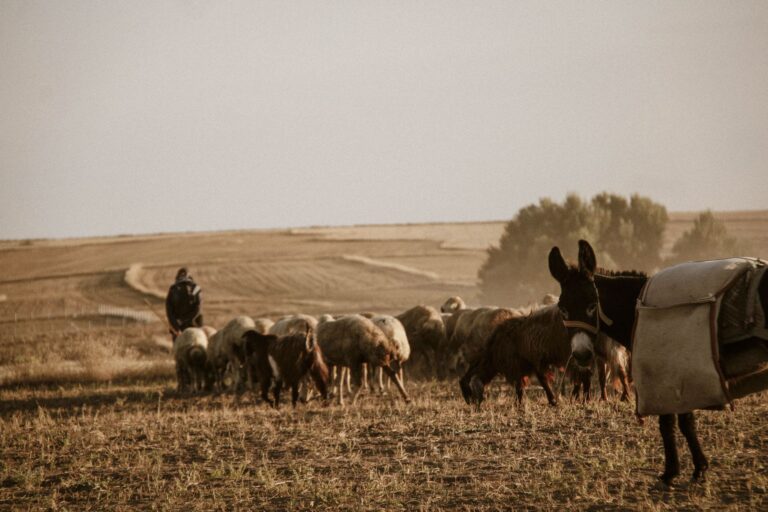
Africa’s iconic biomes – the Sahara, the Sahel, the Kalahari, the savannas, and the tropical rainforests – are best understood as dynamic systems governed by rainfall seasonality and soil-water interactions. Claiming that the continent is uniformly a jungle misleads policy and tourism alike; in reality, dense rain forest only occupies limited equatorial bands while expansive savannas and deserts shape most land use. This matters because management solutions must be biome-specific: reforestation strategies that work in high-rainfall zones fail in semiarid savannas, and water-conservation practices optimal for the Sahel differ from those needed in the Namib.
Deserts are not static wastelands but active environments whose margins shift in response to climatic variability and human pressure. The Sahara, with an average annual rainfall near 25 millimeters in its core, contrasts sharply with the wetter Congo basin; the Sahel functions as a shifting interface where overgrazing, drought, and land conversion exacerbate degradation. The Kalahari and Namib present another variation: they are arid but support sparse woody vegetation and unique endemic fauna adapted to low but regular moisture events.
Understanding these biome dynamics requires both scientific and local knowledge. For accessible narratives on Africa’s unmatched ecosystems and biodiversity, see resources such as AfricaSahara: unmatched ecosystems and broader syntheses at AfricanBiodiversity. These materials support the argument that conservation must be adaptive: reserve boundaries, grazing policies, and restoration programs must respond to temporal variability and local livelihoods.
Policy frameworks that confuse biome types or ignore their dynamism will underperform and risk accelerating decline rather than arresting it. Effective stewardship requires matching interventions to the distinct hydrological and edaphic realities of each biome.
Freshwater systems and inland lakes as ecological linchpins
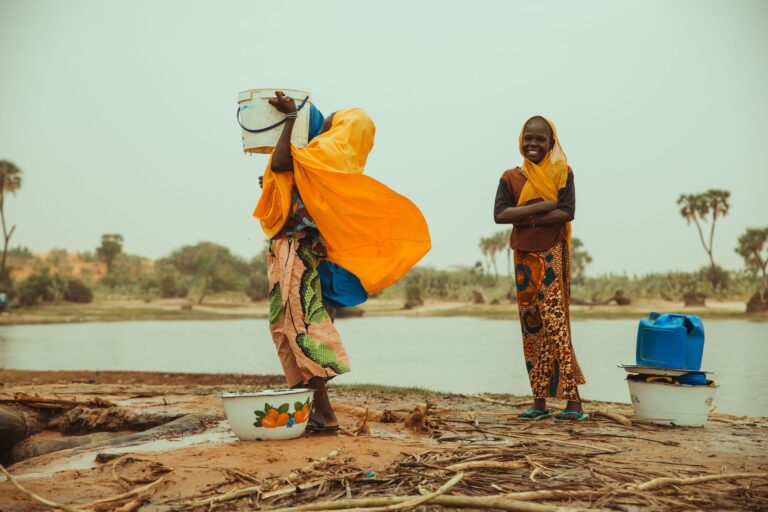
Africa’s major freshwater systems – rivers and lakes formed by rift dynamics, highland runoff, or ancient basins – are ecological linchpins whose integrity determines regional productivity and biodiversity. The argument here is straightforward: maintaining healthy freshwater ecosystems yields outsized benefits for fisheries, agriculture, and human health, while degradation triggers cascading failures. Lake Victoria, Lake Tanganyika, and Lake Malawi illustrate contrasting vulnerabilities and values. Each lake supports unique fish assemblages, with Lake Malawi famously hosting unparalleled cichlid diversity. Yet these lakes face pressures from invasive species, overfishing, and pollution.
Lake Chad provides the starkest policy lesson: a once-large inland water body has receded markedly due to climatic shifts and human extraction, producing severe impacts on local communities. That drying process exemplifies how coupled human-natural systems can flip from productive to crisis-prone without timely governance reforms. East African rift lakes are shaped by highland hydrology, and their ecological integrity depends on watershed-level management – how upland land use, sedimentation, and water withdrawal are regulated directly affects lake productivity and endemic species survival.
A focused table clarifies contrasts among representative freshwater systems and the threats they face:
| Water system | Origin | Key biodiversity | Primary threats |
|---|---|---|---|
| Lake Malawi | Rift basin fed by highlands | Exceptional cichlid diversity | Overfishing, habitat change |
| Lake Tanganyika | Rift valley | Deep endemic fish fauna | Pollution, warming |
| Lake Chad | Remnant basin | Mixed freshwater/wetland species | Desiccation, water diversion |
Sound freshwater policy requires watershed governance, cross-border cooperation, and measures to prevent biological invasions and pollution. Practical guidance and case studies on local biodiversity approaches are available, for example at Tremhost: exploring local biodiversity.
Biodiversity loss, human pressures and conservation debates
The scale and urgency of biodiversity loss in Africa demand a frank, evidence-based argument: human activities – poaching, habitat conversion, invasive introductions, and extractive industries – are the proximate drivers of species decline, and conservation responses must be strategic rather than sentimental. The introduction of Nile perch into Lake Victoria, intended to boost fisheries, provides a cautionary tale: the resulting predation and ecosystem shift eliminated hundreds of native cichlid species. That episode demonstrates the risk of short-term economic fixes that ignore food-web consequences.
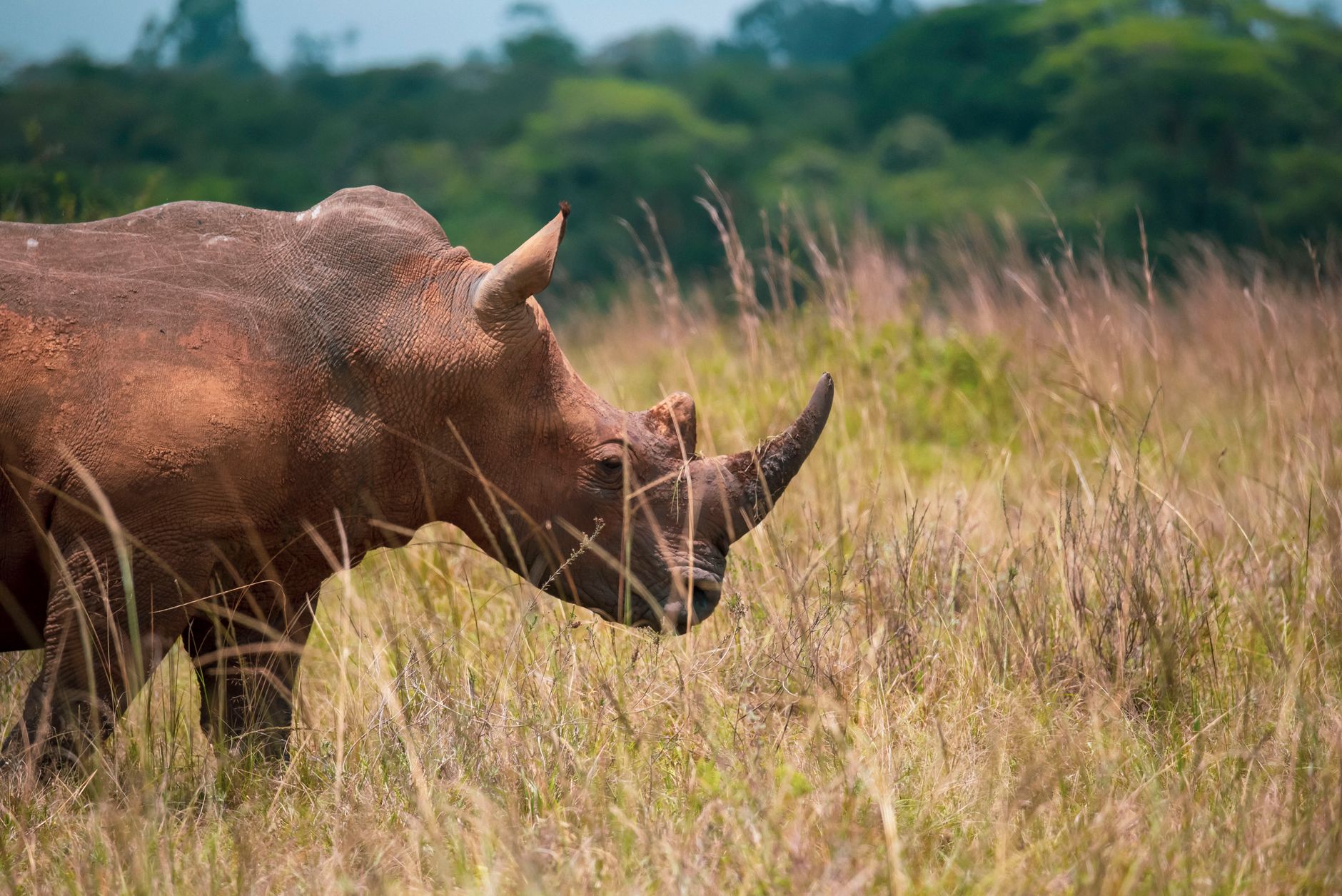
Poaching and illegal trade imperil megafauna such as elephants and rhinoceroses; unregulated mining – often linked to conflict – threatens habitats and human security. Organizations like the African Conservation Foundation coordinate alerts and emphasize illicit extraction of key minerals such as tin, tantalum, and tungsten in eastern Congo. These “Three T’s” are not abstract concerns: they connect consumer electronics supply chains to habitat destruction and violence, an ethical and policy issue increasingly recognized in conservation debates. The threat also extends offshore: debates over deep-sea mining and offshore drilling pit short-term revenue against the risk to coastal mangroves and marine life, as discussed in investigative pieces on ocean impacts and mining waste.
Conservation must therefore reconcile human development needs with ecological limits. Programs that empower local communities, such as apiculture, sustainable harvesting of medicinal plants, and ecotourism, offer pathways that align livelihoods with habitat protection. The Green Belt Movement is a prominent example of how tree planting paired with women-led livelihoods can yield multiple co-benefits: erosion control, water retention, and income. For reporting on success stories and emergent hope, see articles that document species resurgence and archaeological discoveries that enrich our understanding of human-environment history (AfricaTimes: species resurgence, AfricaTimes: archaeological finds).
Absent integrated governance that links community incentives to conservation outcomes, biodiversity loss will continue to erode ecological services vital to people across Africa.
Socioeconomic impacts, adaptation and sustainable pathways
Arguments about Africa’s ecosystems must center socioeconomics: environmental change is already reshaping livelihoods, migration patterns, and urban growth. Droughts in the Sahel and repeated crop failures illustrate the human cost of ecological decline and climate variability. Recognizing this connection reframes conservation as a development imperative rather than a luxury. Policies that promote climate-resilient agriculture, protect water sources, and provide alternative incomes reduce pressure on natural systems while improving material well-being.
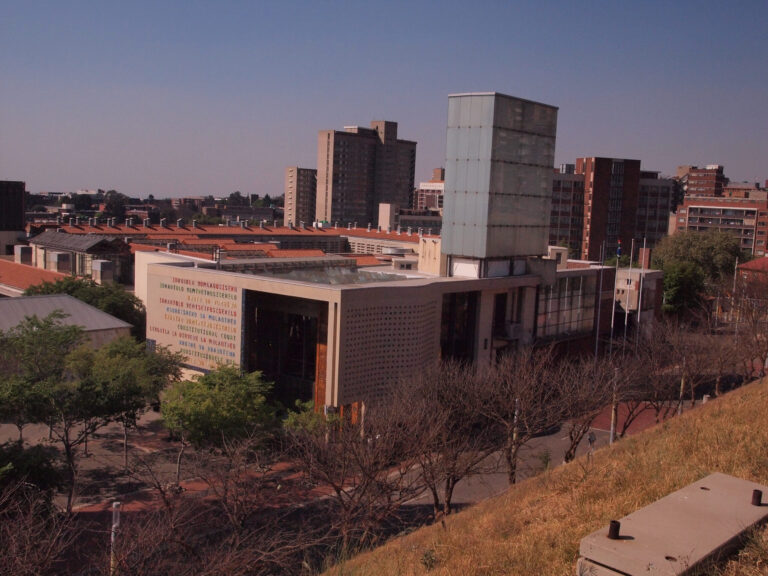
Migration functions as both an adaptation and a stress multiplier – people move away from degraded zones, which can overload receiving areas with urban sprawl, water shortages, and public health challenges. International and regional institutions have responded: African nations have increasingly called on global partners to recognize the continent’s disproportionate vulnerability to climate change and to support adaptation finance and technology transfer. Programs that promote local capacity building – beekeeping, seedling nurseries, careful selection of medicinal and timber species – demonstrate how environmental stewardship can be economically sensible.
Arguments for sustainable pathways must also confront extractive pressures. Offshore oil and potential deep-sea mining raise complex trade-offs between short-term revenues and long-term ecosystem services. Reporting on the risks of mining waste to ocean life underscores the need for precautionary governance and transparency in decision-making (AfricaTimes: deep-sea mining). At the same time, technology and digital connectivity are enabling novel conservation and monitoring efforts; articles on technology and development describe how innovations can support smarter resource management (AfricaTimes: technology & development).
Pragmatic conservation links livelihoods, gender equity, and governance reforms to build resilience – this is the strategic path that balances ecological integrity with social justice. For accessible overviews and place-based guidance, reviews such as The TopRated: exploring Africa and curated research starters remain useful starting points for policymakers and practitioners.
Recognizing the complexity of Africa requires more than admiration for iconic scenery; it demands a grasp of the continent’s mosaic of environments – from the vast Sahara and the semiarid Sahel to the layered tropical rainforests, expansive savannas, volcanic highlands of the Great Rift Valley, and the freshwater networks of lakes and rivers. These distinct zones are linked by shared processes: rainfall patterns, water cycles, volcanic soils and tectonic structures that together shape habitats, agricultural potential, and human livelihoods. Any meaningful policy or investment must start with this integrated perspective rather than treating landscapes as isolated curiosities.
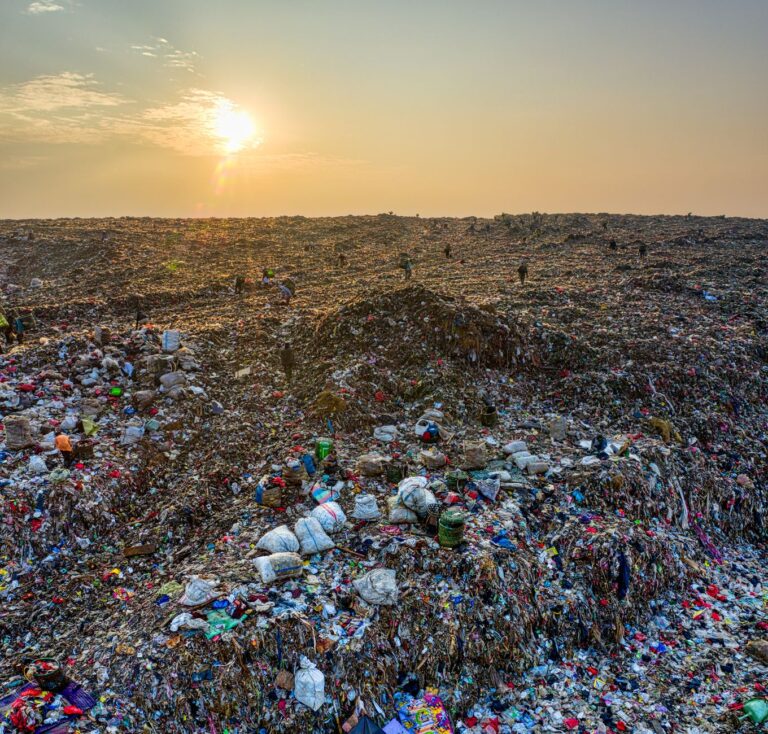
Yet this diversity is under severe pressure. Anthropogenic drivers – illegal mining, unsustainable land use, poaching, and ill-considered species introductions – have already produced ecological collapses, from depleted fish assemblages in some lakes to shrinking populations of elephants and mountain gorillas. Climatic stresses amplify these threats: repeated droughts, advancing desertification, and shifting rainfall regimes are forcing migrations, straining urban infrastructures, and undermining food and water security. These are not distant conservation issues; they are immediate socio-economic problems that demand urgent, evidence-driven responses.
An effective response must be equally multifaceted. Conservation strategies that pair biodiversity protection with local economic benefit – through community-based conservation, ecotourism, sustainable apiculture, and targeted reforestation and water-harvesting – produce better long-term outcomes than exclusionary models. Regional coordination to safeguard transboundary hydrological systems, stricter governance of resource extraction, and support for indigenous knowledge in land stewardship will reduce conflict between development and preservation. Organizations coordinating information and alerts can amplify local successes and expose destructive practices.
Understanding Africa’s ecosystems therefore compels an argument for integrated action: align conservation with livelihoods, regulate extractive and offshore activities, and invest in resilience to climate-driven change. Only by treating the continent’s environmental complexity as an opportunity for holistic policy – not a series of separate problems – can we secure both the ecological functions and the human well-being that depend on them.
Frequently Asked Questions – Understanding Africa’s Diverse Ecosystems
Q: What makes Africa’s ecosystems so varied rather than uniform?
A: Africa’s environmental diversity is driven by a combination of latitude, topography, and rainfall patterns. To argue otherwise is to ignore how the Sahara, equatorial rainforests, coastal plains, highlands such as the Drakensberg and Simyen, and the Great Rift Valley each create distinct climates and habitats that sustain different plant and animal communities.
Q: How do mountains like Kilimanjaro and the Ethiopian highlands influence local ecosystems?
A: Mountains act as ecological engines: their elevation induces high rainfall, their volcanic soils are fertile, and their slopes create isolated ecological niches. This explains why regions around Kilimanjaro and the Simyen support lush vegetation and productive agriculture, rather than a single, homogeneous environment.
Q: Why is the distinction between the Sahara and the Sahel ecologically important?
A: The Sahara is an extreme arid zone with almost no vegetation outside oases, while the Sahel is a semi-arid belt that historically supported grazing and seasonal agriculture. Treating them as similar masks the Sahel’s vulnerability to drought, desiccation, and human pressures that drive food insecurity and migration.
Q: What role do African savannas play in biodiversity and human livelihood?
A: Savannas are crucial because they combine extensive grasslands with scattered trees, supporting large herbivore migrations – iconic examples being the Serengeti herds – and sustaining pastoral and agricultural communities. Ignoring their seasonal dynamics and rainfall limits undermines both conservation and development strategies.
Q: How have African freshwater systems been altered, and why does that matter?
A: Freshwater ecosystems like Lake Victoria, Lake Malawi, and the rivers feeding Lake Chad have been reshaped by introductions of nonnative species, overfishing, and changing inflows. The introduction of the Nile perch in Lake Victoria, for instance, decimated native cichlid diversity – showing how short-term economic actions can produce long-term ecological collapse.
Q: Which large-animal conservation issues are most urgent in Africa?
A: The most urgent issues are poaching, habitat loss, and illegal trade. Species such as elephants, rhinos, and mountain gorillas face existential threats when enforcement and community incentives are weak. Effective conservation must combine protection with community benefits; otherwise extinction risks remain high.
Q: Can conservation and economic development coexist in Africa?
A: Yes – but only when development is designed to be sustainable. Programs that promote ecotourism, apiculture, sustainable harvesting of medicinal plants, and tree planting show that livelihoods and environmental protection can be mutually reinforcing. Absent these integrative approaches, development projects often degrade the very resources they depend on.
Q: How significant are grassroots efforts like the Green Belt Movement?
A: Grassroots initiatives are critical because they align local interests with environmental outcomes. The Green Belt Movement demonstrates that paying communities – especially women – to grow seedlings, plant trees, and harvest water can reduce erosion, increase firewood and food resources, and strengthen resilience to climate variability; such practical interventions produce measurable benefits.
Q: What environmental threats arise from mineral extraction and offshore drilling?
A: Illicit mining – especially of the so-called Three T’s in conflict zones – and offshore drilling threaten terrestrial and marine ecosystems. Mining fuels violence and habitat loss; drilling risks oil spills that can devastate mangroves and fisheries. These activities present an ethical and ecological dilemma: short-term revenues versus long-term ecosystem services and human well-being.
Q: How is climate change already impacting African ecosystems and societies?
A: Climate change is exacerbating drought cycles in the Sahel, intensifying water stress, and shrinking arable lands – factors that drive migrations, urban pressure, and the spread of disease. Africa’s ecosystems and the hundreds of millions who depend on them are on the front line; ignoring climate science will produce escalating humanitarian and ecological crises.
Q: Why should conservation strategies prioritize both species and human communities?
A: Conservation that excludes human welfare fails politically and practically. Protecting biodiversity is most durable when local communities receive clear economic incentives – through jobs in conservation, sustainable harvests, or tourism – because then protection aligns with daily livelihoods rather than competing with them.
Q: What practical actions can international and local actors take to protect Africa’s ecosystems?
A: Action must be multi-layered: strengthen anti-poaching and anti-illicit-mining enforcement, support community-led restoration (reforestation, water harvesting), invest in sustainable tourism and local value chains like beekeeping, and honor climate commitments that reduce drought risks. Only a coordinated strategy that links policy, finance, and community capacity will reverse current trends.