

Archaeologists Discover Ancient Zeus Temple in Turkey, Unveiling Decades-Long Mystery and Transforming Historical Understanding
 By
Kwame Asante
By
Kwame Asante
| IN A NUTSHELL |
|
After decades of anticipation and scholarly speculation, the elusive Zeus Temple in Limyra has finally been discovered in Turkey. This remarkable find resolves a long-standing mystery that has captivated archaeologists and historians alike. Located in the Finike district of Antalya, this ancient temple sheds light on the religious and cultural practices of Limyra, a city steeped in history. The discovery not only confirms the existence of this sacred site but also offers new insights into the historical significance of Zeus worship in the region. As excavations continue, the temple promises to enrich our understanding of ancient civilizations.
The Quest for the Zeus Temple
Dating back to 1982, researchers have been intrigued by references to a Zeus Temple in Limyra found in ancient texts. Despite this, the precise location of the temple remained elusive for decades. Archaeologists finally made a breakthrough in 2025, unearthing a portion of the temple believed to date to the Classical period. This discovery confirms that Zeus, the king of the gods in Greek mythology, played a central role in the religious life of Limyra throughout both the Hellenistic and Roman periods.
Kudret Sezgin, the lead archaeologist, noted the significance of this find. “We have found the temple mentioned in epigraphic sources since 1982, but its location remained unknown for decades,” Sezgin explained. The excavation provides tangible evidence of the temple’s location, filling a significant gap in the historical record of Limyra. The site has long puzzled researchers who were aware of its existence but lacked physical evidence.
With the temple’s discovery, a major piece of Limyra’s historical puzzle has been put in place. This breakthrough offers invaluable insights into the religious practices and cultural landscape of ancient Limyra, confirming that Zeus was revered as a chief deity.
Limyra: A Hub of Ancient Power and Faith
Limyra, situated in southern Turkey’s Antalya province, was a significant city in the Lycian civilization. Nestled at the base of Toçak Mountain, Limyra once served as the capital of Lycia during King Pericles’ reign. The city is renowned for its archaeological treasures, including rock tombs, city walls, and monuments from various historical periods. Among these are the “Pericles Heroon” tomb and a Roman bath. The Zeus Temple’s discovery adds another layer of historical richness to this site.
During the Classical period, Zeus was not only regarded as a protector but also as the central religious figure of Limyra. The temple served as a religious focal point, influencing the city’s development. Limyra’s strategic location and cultural importance during the Roman and Byzantine periods highlight the pivotal role of religion in shaping its identity.
The discovery of Zeus Temple offers a new perspective on Limyra’s historical and religious significance.
This newfound understanding of Limyra’s religious landscape underscores the city’s historical importance and the enduring influence of ancient Greek deities.
How the Temple Was Discovered
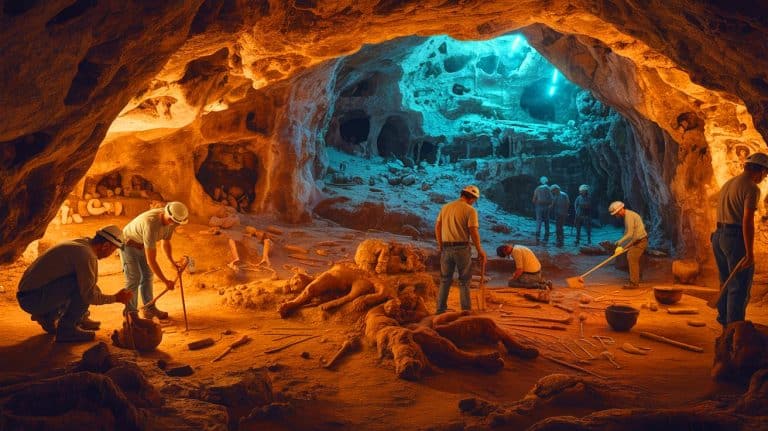
The discovery of the Zeus Temple was the result of meticulous excavation work led by Sezgin and the Austrian Archaeological Institute. Their efforts focused on areas previously identified as having significant ancient structures. Concentrating on the western side of the city, the team relied on a combination of archaeological evidence and historical texts to locate the temple.
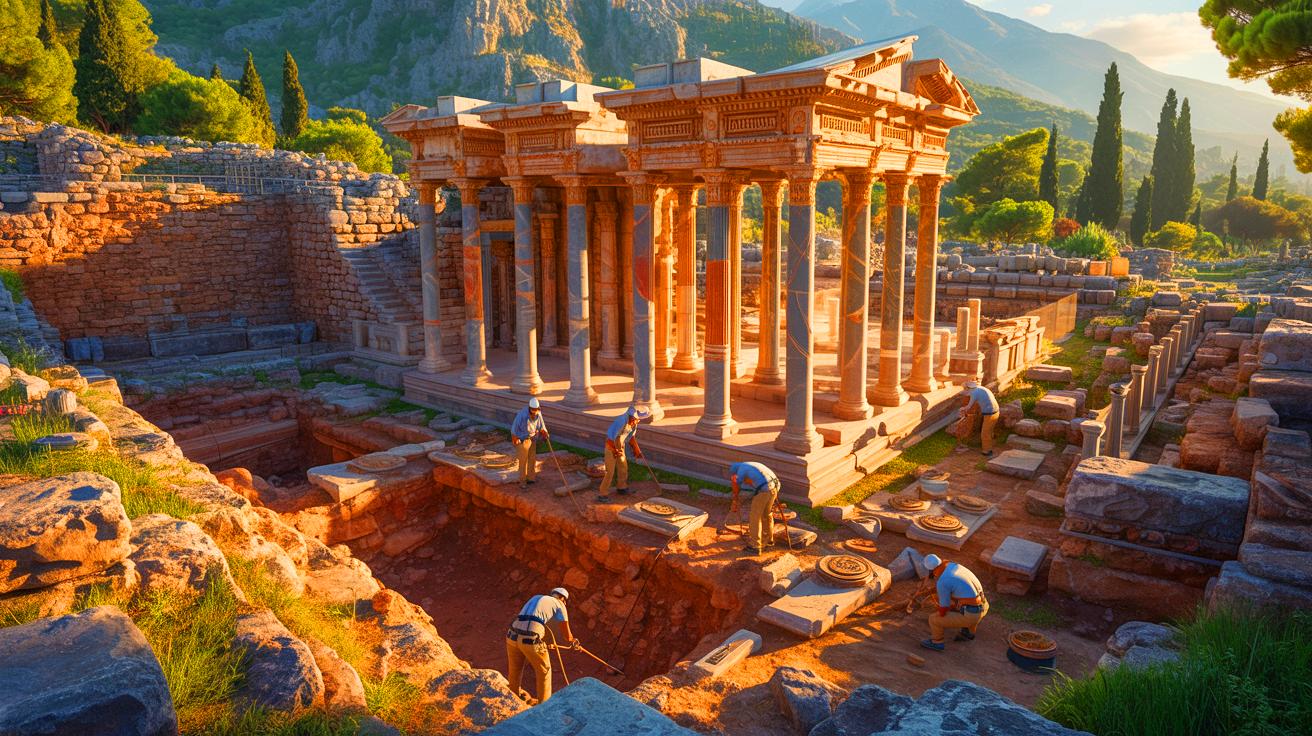
“We have found the temple mentioned in epigraphic sources since 1982,” Sezgin noted. The team successfully uncovered the temple’s main entrance and the anta walls forming its portico. This discovery provides insights into the temple’s grandeur and its role as a center for religious and civic life.
The temple’s unearthing is a testament to the dedication and perseverance of archaeologists who have long worked to bring Limyra’s past to light. The discovery marks a significant achievement in the field of archaeology, promising to deepen our understanding of ancient civilizations.
Reinterpreting Limyra’s Urban Development
The Zeus Temple’s discovery has led archaeologists to reassess their understanding of Limyra’s urban planning. For years, a monumental gate known as the “propylon” was thought to be part of the Roman Avenue, a major city street. However, recent findings suggest that this gate originally served as the entrance to the Zeus Temple’s sacred precinct during the Classical period.
Sezgin elaborated on this shift, stating, “For years, a monumental gate called the propylon was identified beneath the Roman Avenue. We now understand that this gate served as the entrance to the temple’s sacred precinct during the Classical period.” This revelation challenges previous assumptions about the city’s layout and highlights the interplay between public and sacred spaces in Limyra.
The new insights into Limyra’s urban development offer a more comprehensive understanding of how its residents interacted with their religious and urban environment. The temple’s discovery prompts a reevaluation of the city’s historical narrative, highlighting the dynamic relationship between its architectural and spiritual landscapes.
The discovery of the Zeus Temple in Limyra marks a significant milestone in archaeological research, resolving a mystery that has intrigued scholars for decades. As excavations continue, the temple promises to reveal more about the religious and cultural practices of ancient Limyra. This finding not only enriches our understanding of the past but also raises intriguing questions about the broader significance of Zeus worship in the ancient world. How will future discoveries further reshape our perception of ancient civilizations and their intricate belief systems?
Continue reading