

UN Warns of Escalating Violence in Mozambique, Forcing Over 100,000 to Flee and Highlighting Humanitarian Crisis
 By
Joseph Mwangi
By
Joseph Mwangi
| IN A NUTSHELL |
|
In recent weeks, northern Mozambique has witnessed a disturbing surge in violence, causing more than 100,000 people to flee their homes. The conflict, which began in the region of Cabo Delgado in 2017, has rapidly expanded into previously safe areas such as Nampula and Niassa provinces. The humanitarian crisis is dire, with the UN Refugee Agency highlighting the urgent need for food, shelter, and mental health support. As the violence escalates, international aid agencies are struggling to meet the growing needs of the displaced population, emphasizing the necessity for immediate global assistance to prevent further suffering.
Escalation of Violence in Northern Mozambique
The conflict in northern Mozambique, initially localized in Cabo Delgado, has intensified alarmingly over the past few months. This escalation has resulted in a massive displacement crisis, with more than 1.3 million people already forced to flee since 2017. The violence has now spread into Nampula and Niassa provinces, regions previously considered safe havens for those escaping conflict. This expansion signifies a worrying trend that threatens to destabilize the entire northern region of the country.
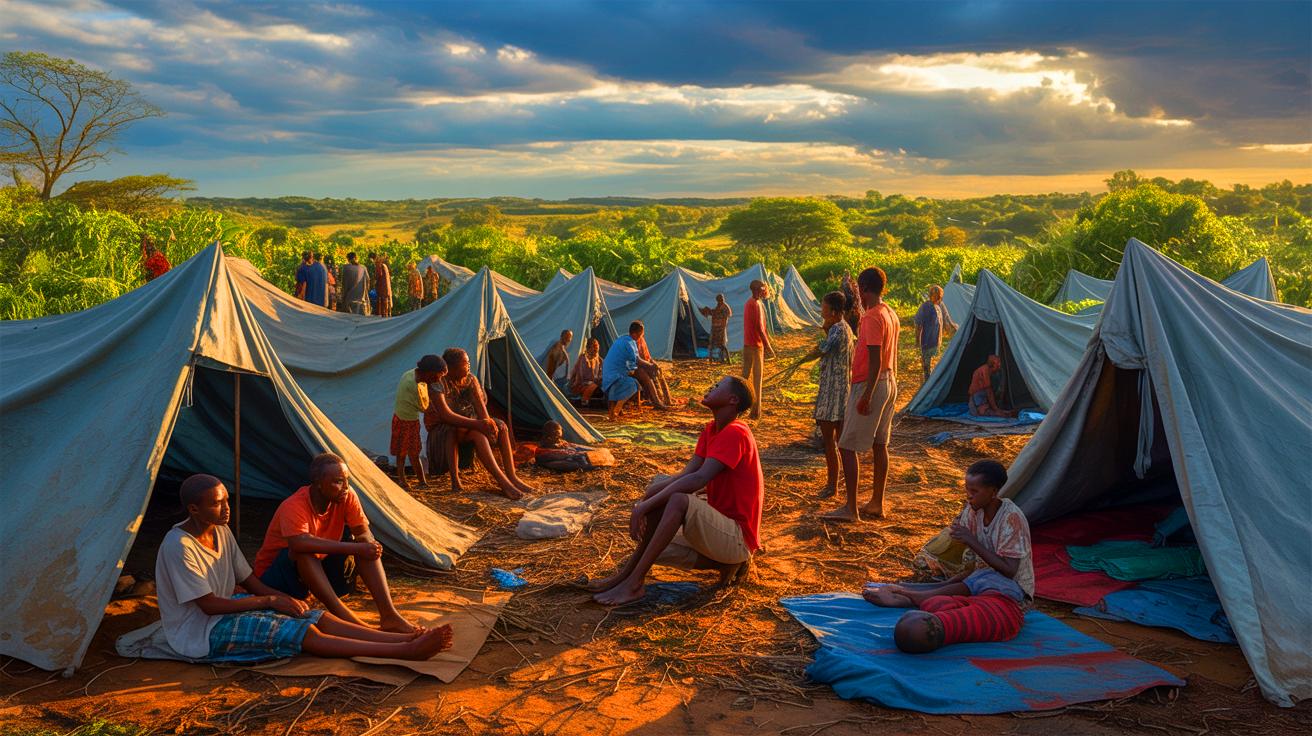
According to the UN Refugee Agency, the latest wave of violence has displaced over 100,000 people in just one week. The rapid spread of conflict into new areas has overwhelmed local communities and strained limited resources. Many displaced families are now living in overcrowded shelters, lacking basic necessities such as food, water, and adequate medical care. The ongoing violence has also exacerbated fears of sexual violence, particularly against women, underscoring the urgent need for increased protection and support for vulnerable populations.
Humanitarian Needs and Challenges
The humanitarian situation in northern Mozambique is becoming increasingly dire. With each new influx of displaced people, local resources are stretched thinner, and the need for international aid becomes more pressing. Xavier Creach from the UNHCR has described the current conditions as a severe crisis, highlighting the chronic shortages of food, shelter, and healthcare services. The mental health of those displaced is also a significant concern, as many arrive traumatized due to the violence they have witnessed or experienced.
Host communities, already grappling with their own challenges, are facing immense pressure to accommodate the influx of displaced families. Overcrowding and limited access to essential services are common, exacerbating the vulnerability of both the host and displaced populations. The UN and other humanitarian organizations are urgently calling for increased international solidarity and support to provide life-saving assistance and address the immediate and long-term needs of those affected by the crisis.
Response from International Community
The international community’s response to the escalating crisis in northern Mozambique has been mixed. While some countries and organizations have pledged support, the scale of the crisis demands a more coordinated and robust response. Humanitarian agencies are appealing for increased funding and resources to address the immediate needs of the displaced population and to support long-term recovery efforts.
Despite these challenges, there are efforts underway to provide assistance and support to those affected by the crisis. International aid agencies are working tirelessly to deliver essential supplies and services to displaced communities. However, the complexity of the situation and the ongoing threat of violence make it difficult to ensure the safety and well-being of all those in need. The international community must act swiftly and decisively to prevent further suffering and address the root causes of the conflict.
The Path Forward for Mozambique
As Mozambique grapples with this escalating crisis, the path forward remains uncertain. Addressing the root causes of the conflict and finding sustainable solutions for peace and stability is crucial. This involves not only immediate humanitarian support but also long-term development efforts to rebuild communities and address the underlying issues driving the violence.
Collaboration between the Mozambican government, international partners, and local communities will be essential in crafting effective strategies to bring lasting peace to the region. Efforts must focus on strengthening governance, improving economic opportunities, and promoting social cohesion to prevent further conflict and displacement. As the situation continues to evolve, the question remains: how can the international community effectively support Mozambique in achieving a peaceful and stable future?