

Scientist’s Shocking Behavior Reveals Disturbing Truth About Antarctic Base That Terrifies Everyone Who Hears About It
 By
Joseph Mwangi
By
Joseph Mwangi
| IN A NUTSHELL |
|
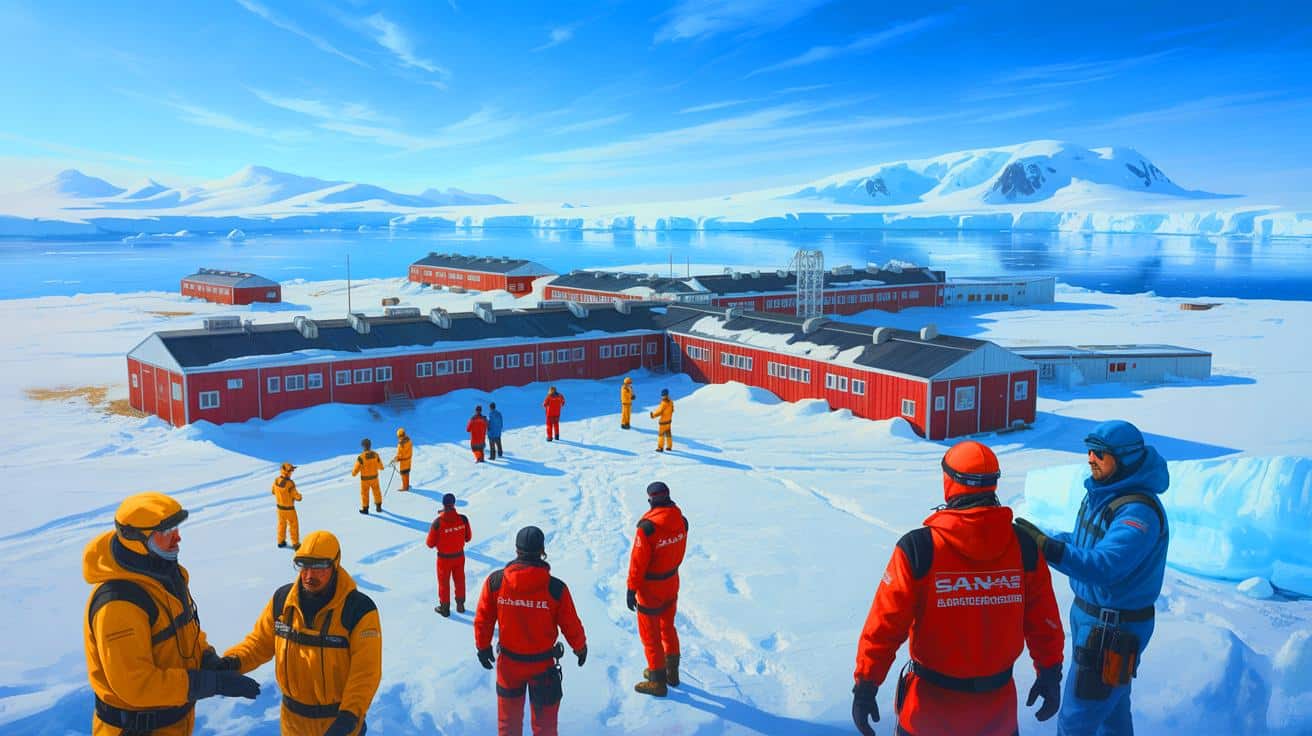
In the remote, icy expanse of Antarctica, human interactions can become fraught with tension, as evidenced by a recent incident at the SANAE IV research base. This South African-operated facility is home to a team of nine researchers who brave the harsh Antarctic winter. However, the tranquility of their mission was disrupted when one scientist allegedly assaulted a colleague, raising alarms about safety and psychological readiness in such isolated environments. Despite the gravity of the situation, the South African Department of Forestry, Fisheries and the Environment (DFFE) has confirmed that no team members were evacuated, reinforcing their commitment to managing the incident internally.
Details of the Incident Emerge
The research team set off on their Antarctic mission with enthusiasm, departing on February 1 without any reported issues. However, by late February, reports of an alleged assault surfaced, sending shockwaves through the otherwise close-knit group. The Sunday Times of South Africa was the first to report on the incident, citing an email from a team member that described the accused scientist’s behavior as “deeply disturbing” and “egregious.”
According to the report, the scientist allegedly issued threats of violence, including a threat to kill. As soon as the DFFE was made aware, they activated a response plan designed to address conflicts and support team cohesion. Professionals were dispatched to mediate and help restore relationships among the team members at the base. The accused scientist has since participated in further psychological evaluations and expressed remorse for his actions.
The government department remains firm in its stance on discipline, emphasizing ongoing efforts to rebuild trust within the team. It has also initiated a long-term counseling program to support team dynamics and ensure the wellbeing of all involved. Furthermore, a “Labour Relations” process has been launched to formally address the alleged physical assault, while clarifying that reports of sexual assault are incorrect.
Challenges of Isolation in Extreme Environments
Living in isolation under extreme conditions poses unique challenges that can exacerbate interpersonal conflicts. The South African Minister of Forestry, Fisheries, and the Environment, Dion George, has personally engaged with the team to provide reassurance and affirm the government’s commitment to their safety and wellbeing. The minister highlighted the importance of managing such incidents carefully, ensuring that both the team and their families feel supported.
The team’s willingness to engage in wellness programs and counseling is seen as a positive step toward resolving the conflict. The DFFE is committed to ensuring that all team members at SANAE IV are safe, healthy, and able to continue their important scientific work. The department follows a comprehensive process in recruiting experts who are prepared to live and work in such confined and challenging conditions.
South Africa’s presence in Antarctica is a testament to its dedication to scientific research in one of the most remote regions on Earth. The SANAE IV base, operational since the 1960s, plays a crucial role in gathering valuable scientific data, contributing to a greater understanding of global environmental changes.
South Africa’s Commitment to Antarctic Research
South Africa remains the only African nation with a permanent research facility in Antarctica. The SANAE IV base accommodates teams for approximately 13 months at a time, during which they conduct important scientific research under some of the world’s harshest conditions. The program has amassed over five decades of valuable data, contributing significantly to global scientific knowledge.
The DFFE has a well-established track record in overseeing logistics and providing scientific support for South Africa’s National Antarctic Programme (SANAP). This commitment to research and exploration underscores the nation’s dedication to understanding and addressing global environmental challenges.
The incident at SANAE IV serves as a reminder of the complexities involved in maintaining human relations in such extreme environments. It also highlights the importance of psychological readiness and the need for robust support systems for those living and working in isolation.
Madagascar Protesters Expose Shocking Truth That Terrifies Government And Sparks New Wave Of Unrest
Moving Forward: Lessons and Considerations
The incident at SANAE IV has prompted a review of current protocols and support systems in place for researchers stationed in Antarctica. The DFFE’s response demonstrates a commitment to addressing incidents swiftly and effectively, while also emphasizing the importance of ongoing support and counseling for the team.
The experience underscores the need for continuous evaluation of psychological and interpersonal preparedness for individuals living in isolated environments. As scientific missions continue to push the boundaries of exploration, ensuring the wellbeing of those on the frontlines becomes increasingly important.
Looking ahead, the lessons learned from this incident could inform future protocols and support systems, not only for Antarctic research teams but for all missions operating in extreme and isolated environments. How can we continue to improve support systems to ensure the safety and wellbeing of those working in such challenging conditions?