


Antarctic Sea Ice Decline Exposes Urgent Climate Concerns, Revealing Threats to Global Ecosystems and Human Communities
 By
Kwame Asante
By
Kwame Asante
| IN A NUTSHELL |
|
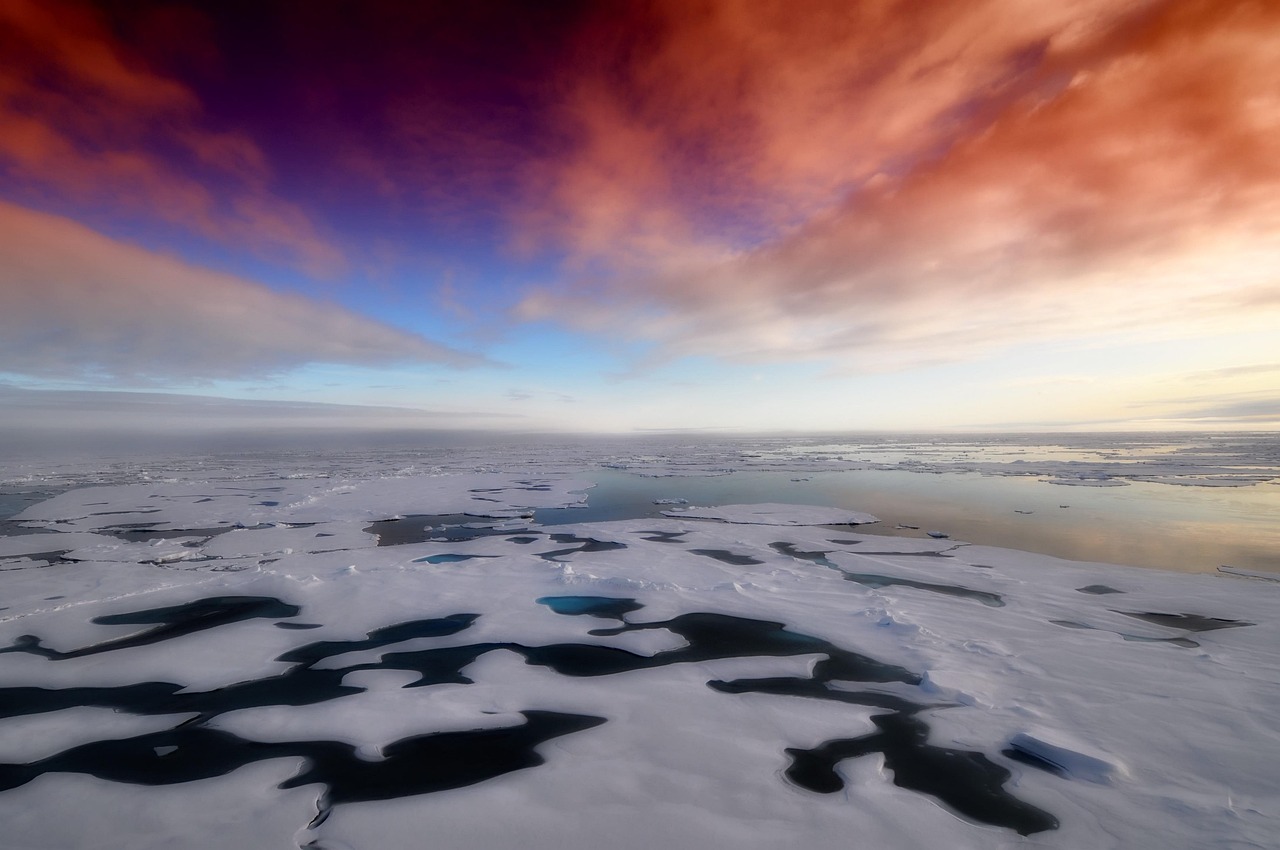
Recent satellite images from NASA’s Earth Observatory reveal a concerning trend: Antarctic sea ice has reached its third-lowest maximum on record. As the winter peak of 2025 falls significantly below historical averages, scientists and environmentalists are alarmed by the implications for Earth’s climate. This decline reflects a broader pattern of change over the past decade, with potential long-term effects on both local ecosystems and the planet’s overall climate. Understanding the dynamics at play in this critical region is essential for grasping the full impact of these changes.
The Unprecedented Shrinkage of Antarctic Sea Ice
The Antarctic region traditionally experiences a vast cycle of sea ice expansion and contraction, dictated by seasonal changes. However, recent data from NASA’s Earth Observatory highlights an alarming decrease in sea ice extent. In 2025, the ice covered only 6.88 million square miles, a stark contrast to the long-term average from 1981 to 2010. This measurement marks the third-lowest winter maximum recorded since satellite observations began 47 years ago.
Such a reduction in sea ice is more than a numerical anomaly; it signals a critical shift in environmental conditions. Antarctic sea ice plays an integral role in reflecting sunlight, thereby regulating Earth’s climate. As ice coverage diminishes, more sunlight is absorbed by the ocean, accelerating global warming through a feedback loop. This change not only affects local climates but also has broader implications for global weather patterns.
Understanding the Complexities of Antarctic Ice Dynamics
Antarctica presents unique challenges in understanding sea ice dynamics due to its geographical and environmental conditions. Unlike the Arctic, where landmasses confine the ice, Antarctic sea ice floats on open ocean, allowing for more dramatic fluctuations. This variability complicates efforts to predict long-term trends. Still, the post-2016 decline is a significant shift warranting closer examination.
Several factors contribute to the changing ice landscape. Rising ocean temperatures over recent decades likely play a role, as warmer waters lead to ice thinning and shrinkage. Atmospheric conditions, particularly wind patterns, also influence ice extent by pushing it away from the coast. Natural climate variability must be considered, but distinguishing these effects from human-induced changes requires more detailed research.
Bornean Orangutan Birth at LA Zoo Sparks Hope for Species, First New Arrival in Nearly 15 Years
The Environmental Impact of Shrinking Ice
The reduction in Antarctic sea ice extends beyond environmental data; it poses significant risks to local ecosystems. Species such as penguins, seals, and krill depend on stable ice conditions for survival. Krill, a cornerstone of the Antarctic food chain, relies on sea ice for habitat and feeding, meaning their population is closely linked to ice availability. Disruptions in ice patterns could have cascading effects on these species and the broader ecosystem.
Moreover, changes in sea ice coverage could alter global weather systems. Antarctic ice significantly influences ocean currents and atmospheric conditions. A decrease in ice could disrupt these systems, leading to shifts in weather patterns across the Southern Hemisphere. The global reach of these changes underscores the importance of understanding and addressing this environmental challenge.
A Deep Dive Into the Causes of Antarctic Ice Decline
The precise causes of the recent decline in Antarctic sea ice remain an area of active research. One contributing factor is ocean temperature; warmer waters accelerate ice melting from below, weakening the ice cover. Shifting wind patterns also play a role by moving ice away from the coast, preventing stable accumulation.
The interplay between the atmosphere and oceans is another critical factor. As global temperatures rise, the melting ice releases fresh water into the oceans, altering salinity levels and affecting ocean circulation. These changes complicate the ice formation process, resulting in lower ice extents even during peak winter months. This ongoing decline, noticeable since 2016, suggests a fundamental change in regional climate dynamics.
The dramatic decline in Antarctic sea ice raises pressing questions about the future of our planet’s climate. As scientists continue to unravel the complex factors driving these changes, the broader implications for global weather patterns and ecosystems remain uncertain. How will these shifts impact the delicate balance of our environment, and what steps can be taken to mitigate the effects of such profound change?