

Bornean Orangutan Birth at LA Zoo Sparks Hope for Species, First New Arrival in Nearly 15 Years
 By
Joseph Mwangi
By
Joseph Mwangi
| IN A NUTSHELL |
|
The Los Angeles Zoo is once again buzzing with excitement following the birth of a Bornean orangutan, the first to be born at the zoo in nearly 15 years. This momentous occasion not only marks a significant milestone in the zoo’s conservation efforts but also brings a renewed focus on the plight of orangutans, a critically endangered species. Visitors to the zoo now have the chance to observe the intimate interactions of the orangutan family, offering a rare glimpse into the lives of these remarkable primates. The birth underscores the zoo’s ongoing commitment to wildlife preservation and education.
The Return of the Orangutan Baby
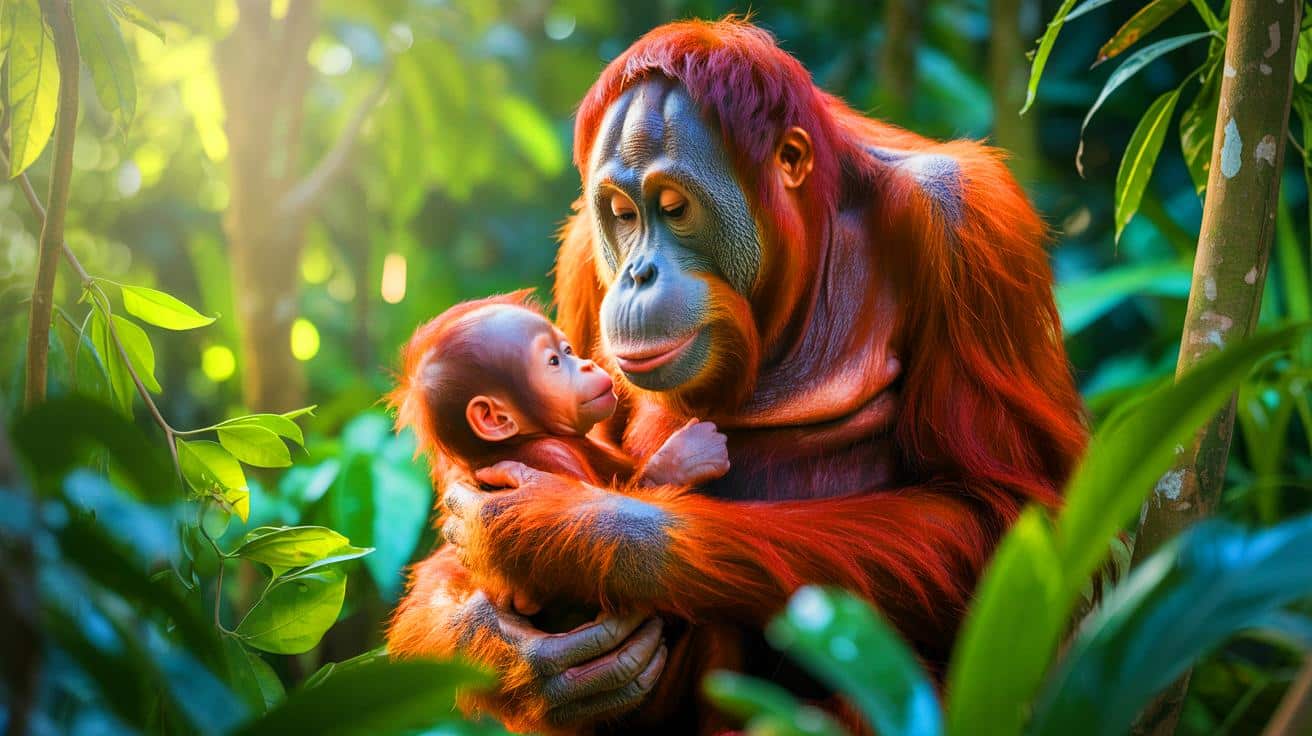
On October 10, 2025, the Los Angeles Zoo welcomed a new member to its family with the birth of a Bornean orangutan baby. The mother, Kalim, aged 43, has previously shown her nurturing prowess, having raised two infants before this one. The significance of this birth extends beyond the joy it brings to visitors; it is a beacon of hope for the conservation of a species listed as critically endangered. The father, Isim, is 31 years old, and the pair have already captivated the hearts of zoo visitors and staff alike.
The zoo’s curator of mammals, Candace Sclimenti, expressed her excitement about the new addition, emphasizing the importance of the birth for the zoo’s orangutan conservation efforts. The interactions between the infant and the rest of the orangutan group offer a unique opportunity for guests to witness the dynamics of a primate family. The joy and curiosity sparked by this new arrival highlight the essential role zoos play in fostering appreciation and understanding of endangered species.
Behind the Scenes of a Historic Birth
Initially, Kalim and her newborn spent their first month away from public view, bonding in the safety of their enclosure. Their recent debut at the Red Ape Rain Forest exhibit has offered visitors a chance to see the mother and child duo up close. The zoo has shared endearing photos of Kalim cradling her baby, providing an intimate look at their relationship. Kalim’s experience as a mother is evident in her care for her new baby, which is crucial for the infant’s development.
Megan Fox, a senior animal keeper at the zoo, shared insights into Kalim’s exceptional mothering skills. Her previous offspring, Elka, has thrived under her care, showcasing Kalim’s ability to nurture and educate her young. This expertise is vital for orangutans, as they have the longest interbirth interval among non-human primates, requiring intensive maternal investment over several years. The nurturing provided by mothers like Kalim is essential for the survival and well-being of orangutan infants.
The Conservation Efforts Behind the Celebration
The birth of this orangutan is more than just a joyful occasion; it is a testament to the zoo’s commitment to conservation. Bornean orangutans face significant threats from deforestation, habitat loss, and poaching, making breeding programs like those at the Los Angeles Zoo critical. The zoo’s success in breeding orangutans provides hope for the future of these primates and highlights the importance of conservation efforts in preventing extinction.
Through educational programs and public engagement, the zoo aims to raise awareness about the challenges faced by orangutans in the wild. By sharing this birth with the public, the zoo hopes to inspire a deeper understanding and appreciation of these primates and the necessity of conservation work. The birth of this orangutan serves as a reminder of the delicate balance between wildlife and habitat preservation.
What’s Next for the Orangutan Family?
The excitement surrounding the orangutan baby’s birth has sparked discussions about naming the new addition. The zoo is considering a public naming contest, which would engage the community in its conservation efforts. This collective involvement highlights the role of public support in wildlife preservation initiatives.
As the orangutan family continues to grow and interact, the zoo remains dedicated to observing and documenting their behaviors. The birth marks a new chapter for the zoo, offering visitors the chance to witness behaviors and interactions not seen in over a decade. “Guests will now have an opportunity to see unique behaviors and interactions that haven’t been at Red Ape Rain Forest in a very long time,” said Megan Fox. This moment serves as a powerful reminder of the vital work being done to ensure the survival of endangered species.
The birth of the Bornean orangutan at the Los Angeles Zoo is more than a milestone – it is a call to action for conservation efforts worldwide. As visitors delight in the rare opportunity to observe this growing family, one must ponder: how can we all contribute to the preservation of endangered species and their habitats?