


Deep-Sea Mining Waste Threatens Ocean Life More Than Expected, Revealing Dire Environmental and Human Consequences
 By
Kwame Asante
By
Kwame Asante
| IN A NUTSHELL |
|
The mysteries of the deep ocean are increasingly coming to light, revealing a vulnerability to human activities that was once inconceivable. As the demand for valuable metals intensifies, the practice of deep-sea mining is expanding, bringing with it a cascade of environmental consequences. A recent study from the University of Hawaiʻi has uncovered the extensive damage caused by mining waste, which threatens the intricate web of life in the ocean’s twilight zone. By exploring the far-reaching effects of this industry, we gain insight into the critical need for sustainable practices that protect our marine ecosystems and, consequently, our planet’s future.
The Unseen Consequences of Deep-Sea Mining
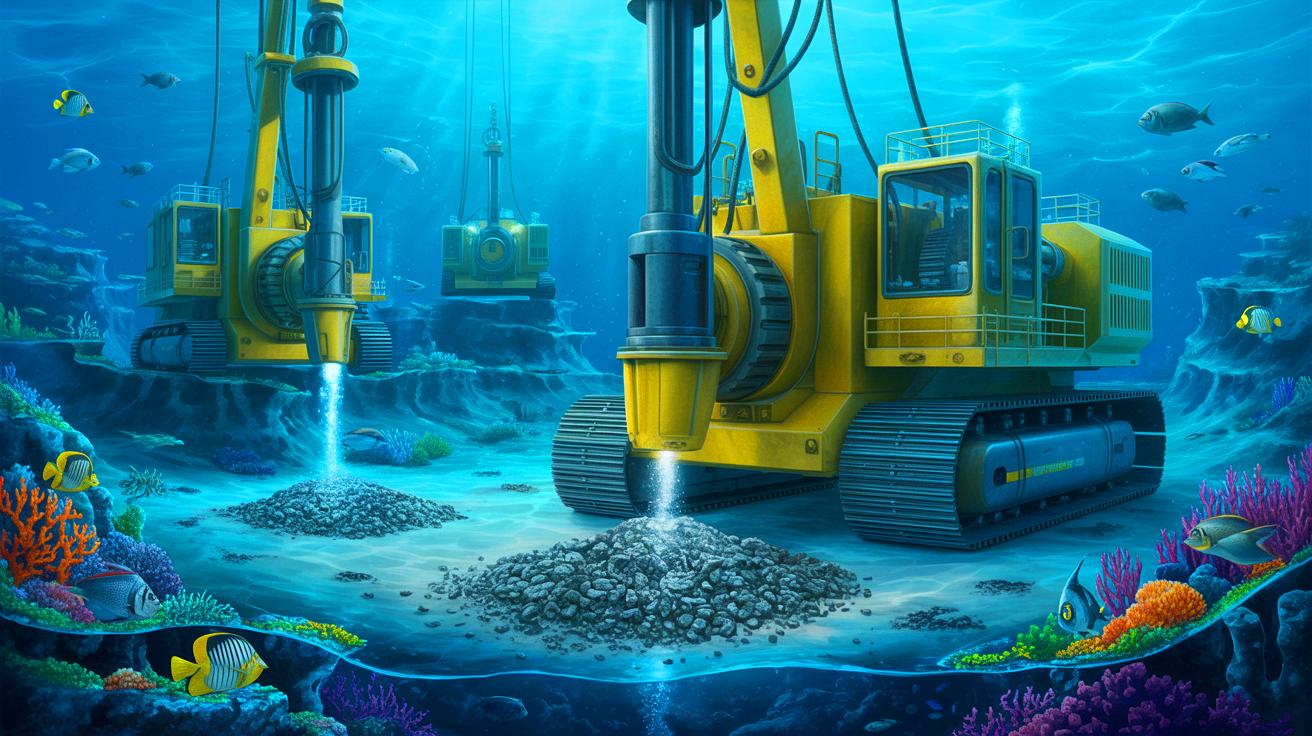
Deep-sea mining is increasingly being promoted as a green solution to satisfy the growing demand for metals essential in renewable technologies. However, the environmental repercussions of this practice are raising alarms. The process involves discharging waste into the ocean, affecting not only the seabed but also the deeper waters. According to the study published in Nature Communications, the release of mining waste into the Clarion-Clipperton Zone (CCZ) has significant implications for marine ecosystems.
The CCZ, a region in the Pacific Ocean abundant in polymetallic nodules, is crucial for battery production. This area is now at the center of a complex debate. Proponents of mining argue it supports green technology, while scientists warn of the hidden damage to the marine food web. The study highlights that the discharge of waste material, including pulverized nodules and sediment, into the twilight zone, threatens the survival of species reliant on nutrient-rich particles. This research marks a pivotal moment in understanding the broader ecological impact of deep-sea mining.
The practice of discharging mining waste could have severe repercussions for midwater ocean layers, threatening the marine food web.
Bornean Orangutan Birth at LA Zoo Sparks Hope for Species, First New Arrival in Nearly 15 Years
The Twilight Zone: A Vital but Fragile Ecosystem
Located between the sunlit surface waters and the dark ocean depths, the twilight zone is a vital yet fragile ecosystem. This zone is home to a diverse range of species, from tiny plankton to larger migratory animals like krill and lanternfish. These creatures are crucial for maintaining ocean health through their nightly migrations, which play a key role in regulating the global carbon cycle.
Disruption in this zone can have profound effects. The University of Hawaiʻi study found that mining waste displaces nutrient-rich marine snow with low-quality sediment, threatening the delicate balance of life. Zooplankton and other midwater creatures, which rely on these particles for sustenance, face significant challenges. More than half of the zooplankton in the CCZ and around 60% of micronekton are exposed to nutrient-poor particles, jeopardizing their survival.
The shift in the food web could impact fish populations, alter migration patterns, and reduce fishery yields.
The Nutritional Toll on Ocean Life
The effects of mining waste extend beyond disruption, leading to a decline in the quality of available food. Marine life in the twilight zone relies on a steady supply of nutrient-dense particles from the surface, rich in amino acids and essential nutrients. In contrast, mining waste lacks these nutrients, offering “empty calories” instead.
This nutritional decline poses a severe threat to creatures like zooplankton, already struggling in a low-nutrient environment. As these smaller organisms become less nutritious, predators such as squid, fish, and marine mammals may experience a drop in health and population numbers. The potential long-term effects could be catastrophic, altering marine ecosystems at every level and threatening the planet’s biodiversity.
The nutrient loss could set off a chain reaction, affecting marine ecosystems globally.
The Need for Regulation: A Window of Opportunity
With deep-sea mining on the verge of commercial expansion, robust regulation is imperative. The study underscores the urgency of acting before the ecological impact becomes irreversible. Regulators must consider the effect of mining waste on the entire water column, not just the seafloor.
The challenge is balancing mineral needs with marine life protection. Waste management must minimize its impact on the food web. The International Seabed Authority is developing mining regulations, but these must reflect the full extent of mining’s impact. Collaboration among scientists, policymakers, and industry leaders is essential to protect ocean ecosystems and ensure sustainable practices.
As we contemplate the future of deep-sea mining, we must ask: How can we harness these resources while preserving the intricate balance of marine life for future generations?