



“They’re Betting Billions on This”: Adnoc and ExxonMobil Launch a Texas Hydrogen Megaproject That Could Rewrite the Future of Energy
 By
Nomvula Dlamini
By
Nomvula Dlamini
| IN A NUTSHELL |
|
The global energy landscape is on the cusp of a significant transformation, with a groundbreaking partnership between Abu Dhabi’s Adnoc and American energy giant ExxonMobil. This collaboration, focusing on low-carbon solutions, marks a pivotal moment in the pursuit of sustainable energy. As traditional oil and gas face mounting scrutiny, the Baytown Project aims to spearhead innovations in hydrogen production. This venture not only promises to address environmental concerns but also has the potential to reshape economic and geopolitical dynamics worldwide.
The Baytown Project: A New Era of Energy Production
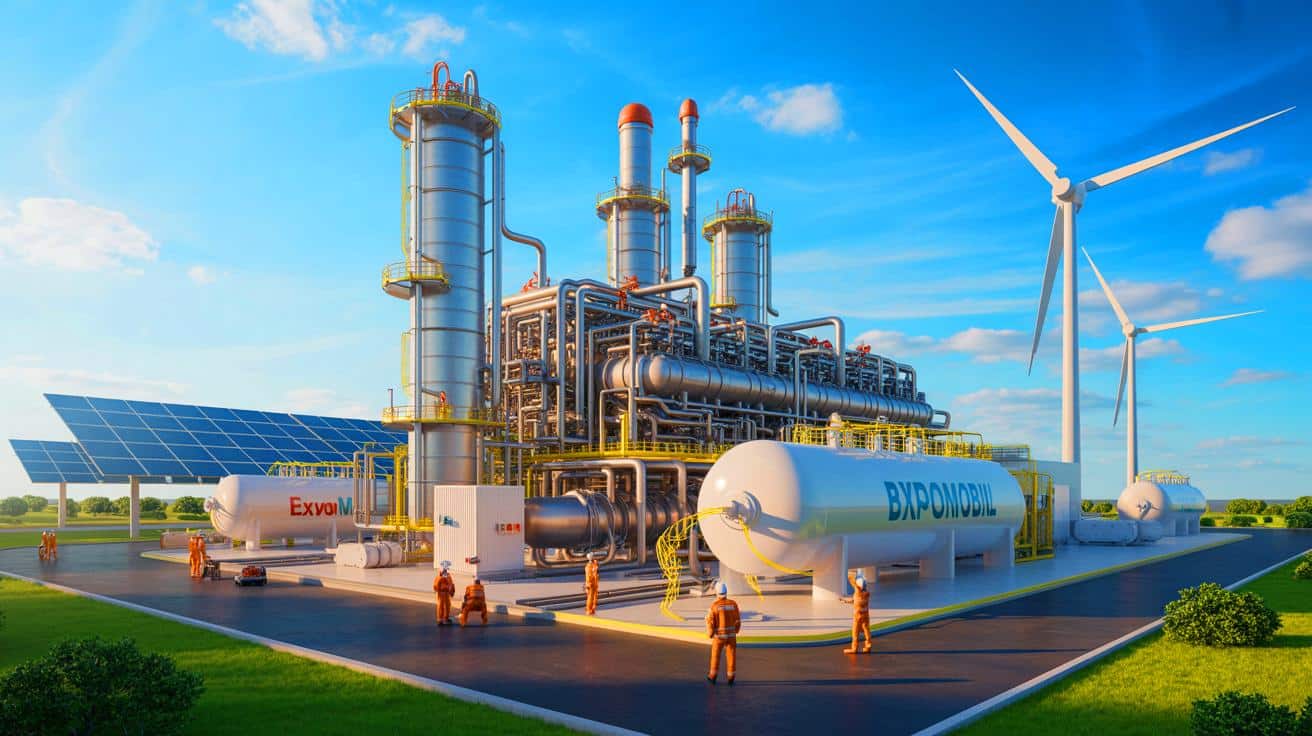
In an ambitious move to lead the energy transition, Adnoc and ExxonMobil have launched the Baytown Project. This joint venture seeks to establish the world’s largest low-emission hydrogen plant, capable of producing up to 1 billion cubic feet of blue hydrogen per day. Blue hydrogen, derived from natural gas with integrated CO₂ capture, offers a cleaner alternative to traditional hydrogen production methods. By capturing up to 98% of carbon emissions during production, the project aims to produce 1 million tons of low-carbon ammonia annually.
The innovative approach of the Baytown Project could revolutionize the energy sector. Hydrogen, as a clean energy source, is set to power refineries in Europe and energy plants in Japan and Korea. The production process’s emphasis on carbon capture aligns with global efforts to mitigate climate change. As ammonia emerges as a key component in the energy transition, the project’s success could signal a new direction for sustainable energy production.
Challenges and Risks: The Political Landscape
Despite its promise, the Baytown Project faces significant political and economic challenges. The United Arab Emirates has made a substantial investment, securing a 35% stake in the Texas-based project. However, the venture’s future hinges on the availability of government subsidies for blue hydrogen production in the United States. While Adnoc remains committed, ExxonMobil has voiced concerns, threatening to withdraw if blue hydrogen remains ineligible for tax credits under preliminary US Treasury guidelines.
The political climate in the United States, particularly after the upcoming elections, could greatly influence the project’s trajectory. Navigating these complex dynamics is crucial to securing the necessary support and funding. The partnership’s success will depend on aligning with government policies and securing incentives to promote the adoption of blue hydrogen as a viable energy source.
Implications for the Global Energy Crisis
The Baytown Project represents a critical step in addressing the global energy crisis. Beyond its commercial objectives, the partnership highlights the internationalization of transitional energies. Adnoc’s commitment to achieving zero emissions by 2045 underscores the strategic value of this collaboration. For ExxonMobil, the project bolsters its leadership in carbon capture technologies and the development of cleaner fuels.
Locally, the project promises significant economic benefits, including job creation and community support in Texas. If successful, operations could commence in 2029, positioning the Baytown Project as a leading force in the global energy market. Its impact could surpass that of other high-profile alliances, such as the one between China and Russia, and set a new standard for international energy cooperation.
Looking Ahead: A Transformative Partnership
The collaboration between Adnoc and ExxonMobil represents more than a business venture; it is a transformative step towards sustainable energy solutions. The project holds the potential to redefine low-carbon energy production and contribute significantly to global efforts to combat climate change. However, its success will rely on overcoming political and economic hurdles and fostering technological advancements and global cooperation.
As the world watches this ambitious initiative unfold, the key question remains: Will the Baytown Project become a beacon of innovation and collaboration, leading the charge in solving our energy challenges, or will it succumb to the political and economic obstacles that often accompany such groundbreaking endeavors?
The Baytown Project’s potential to revolutionize energy production is undeniable. However, its success will depend on navigating political landscapes, securing financial incentives, and advancing technological innovations. How will this transformative partnership shape the future of sustainable energy, and what implications will it have for the global pursuit of low-carbon solutions?