


“This Could End Plastic Waste”: Scientists Use AI and Smart Solvents to Turn Trash Into Treasure (and It’s Already Working)
 By
Kwame Asante
By
Kwame Asante
| IN A NUTSHELL |
|
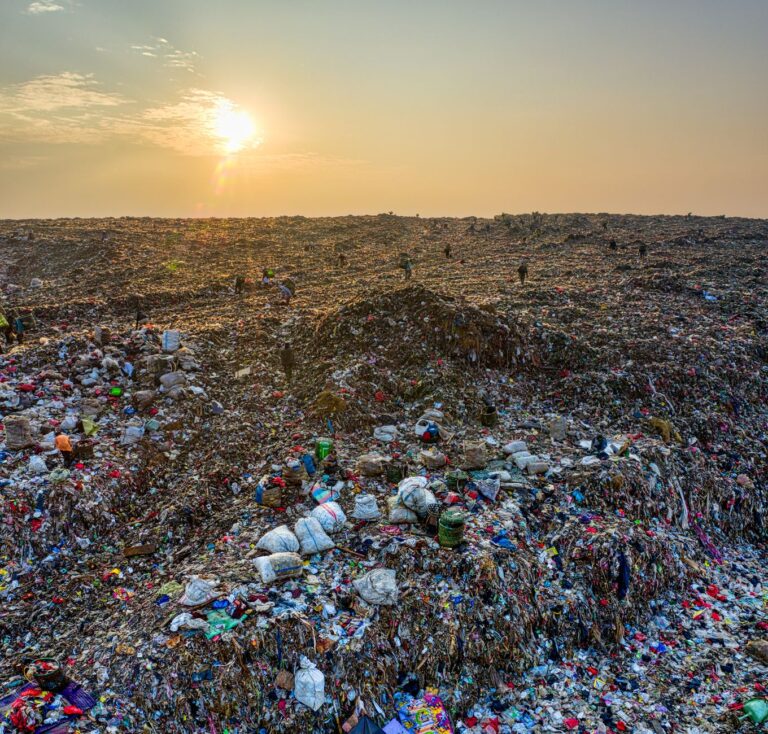
Plastics have become an integral part of modern life, from packaging to advanced medical equipment. However, their environmental impact is staggering, with only a small fraction being recycled and the rest ending up in landfills or natural habitats. This has prompted researchers to explore innovative solutions for managing plastic waste more effectively. At the forefront of these efforts is a team from the University at Buffalo, led by Dr. Aurora del Carmen Munguía-López. They are investigating how process systems engineering, enhanced by machine learning, can transform the way we deal with plastic waste, aiming to create a sustainable future for this ubiquitous material.
Why Plastics Still Matter
Despite their environmental drawbacks, plastics remain crucial in various sectors. They help in preserving food, reducing vehicle weight for better fuel efficiency, and making medical equipment more accessible and safer. Dr. Munguía-López points out that eliminating plastics entirely is not feasible at this stage. The real issue lies in post-use management. Without improved waste management systems, plastics continue to pollute oceans, fill landfills, and pose health risks such as cancer and respiratory issues. The focus should be on smarter management rather than elimination.
The inadequacy of current waste management systems contributes significantly to environmental contamination. Enhancing these systems could dramatically reduce the negative impact of plastics. The challenge is to balance the benefits of plastics with the urgent need for environmental preservation. By improving recycling methods and developing new technologies, we can manage plastic waste more effectively.
Smarter Recycling With Solvents and AI
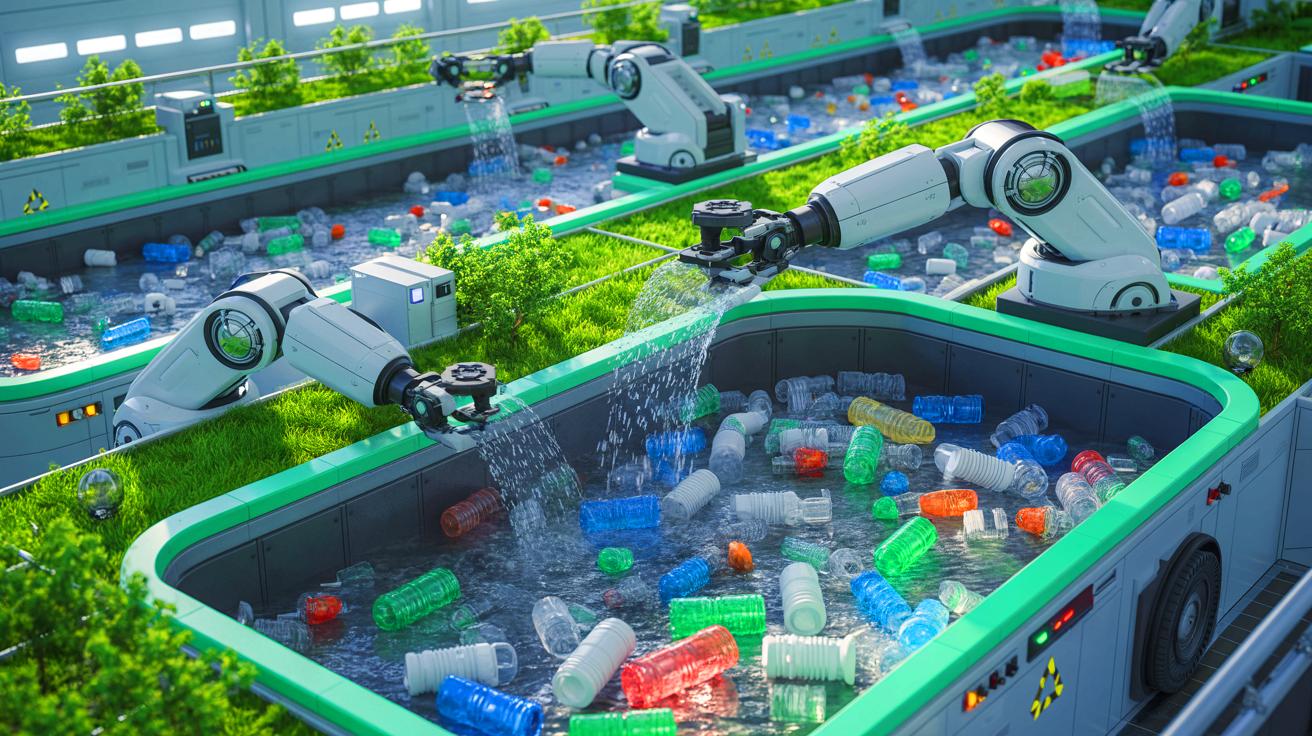
Traditional recycling methods struggle with complex materials like multilayer packaging. Solvent-based recycling offers a promising alternative, as it can selectively dissolve specific polymers, allowing valuable materials to be extracted from mixed plastic waste. Research from the University of Wisconsin-Madison highlights its cost-effectiveness, though emission management is crucial.
Combining solvent-based and traditional recycling methods could enhance recovery rates and minimize emissions. Artificial intelligence is also revolutionizing sorting and planning processes. With high-accuracy models like PlasticNet, AI can improve transportation planning, coordinate industry efforts, and simulate policy outcomes. Dr. Munguía-López emphasizes the necessity of AI in addressing supply chain demands, making it a critical component of modern recycling systems.
Are Biobased Plastics Really Better?
Biobased plastics, made from renewable sources like corn and sugarcane, offer an attractive alternative. However, their large-scale adoption presents challenges. Land and water used for crop cultivation might otherwise support food production. Composting these plastics requires specialized facilities, which are not widely available, and separating them from traditional plastics is often difficult for consumers.
Dr. Munguía-López stresses the importance of evaluating the entire life cycle of biobased plastics, from material extraction to disposal. Without a comprehensive understanding, their true value remains uncertain. While promising, transitioning to biobased plastics is neither simple nor immediate. Thorough life cycle assessments are essential to validate their environmental benefits and economic feasibility.
The Need for Systems-Level Thinking
Plastic pollution impacts more than just the environment; it has social and economic ramifications as well. Addressing this issue requires a systems-level approach, integrating every step from product design to waste management. This involves improving waste collection, building appropriate facilities, and encouraging changes in consumer behavior. Coordination across sectors, from scientists to policymakers, is crucial.
Process systems engineering provides tools for modeling complex systems, identifying weak points, and testing solutions. The University at Buffalo’s research identifies gaps in current strategies, which often focus on isolated solutions. Integrating technologies, such as combining AI with solvent-based recycling, is essential to create cohesive systems that address multiple facets of plastic management.
The future of plastics management calls for a multifaceted approach. Solvent-based recycling and AI offer immediate solutions, while biobased plastics hold long-term potential. However, isolated efforts are insufficient. A holistic overhaul of how plastics are designed, used, and managed is necessary. Dr. Munguía-López advocates for comprehensive approaches, weighing pros and cons throughout their life cycles. The challenge is not just about materials but about creating smarter systems to manage them. As we look toward the future, the question remains: how will we innovate to meet the demands of sustainable plastic management in an ever-evolving world?