


“They’re Just Floating There”: This Deadly Outbreak in Virunga Wipes Out Dozens of Hippos (and the danger may not stop with them)
 By
Kwame Asante
By
Kwame Asante
| IN A NUTSHELL |
|
The recent outbreak of anthrax in Virunga National Park, the Democratic Republic of Congo (DRC), has claimed the lives of approximately 50 hippos, raising significant concerns about wildlife health and safety in the region. This national park, established in 1925, is Africa’s oldest and is renowned for its diverse wildlife and breathtaking landscapes. However, it is no stranger to challenges, including recurring conflicts and wildlife diseases. The current anthrax outbreak poses a potential threat not only to the park’s ecosystem but also to human populations and domestic animals living nearby. Understanding the implications of this outbreak is crucial for both conservation efforts and public health initiatives in the region.
The Threat of Anthrax
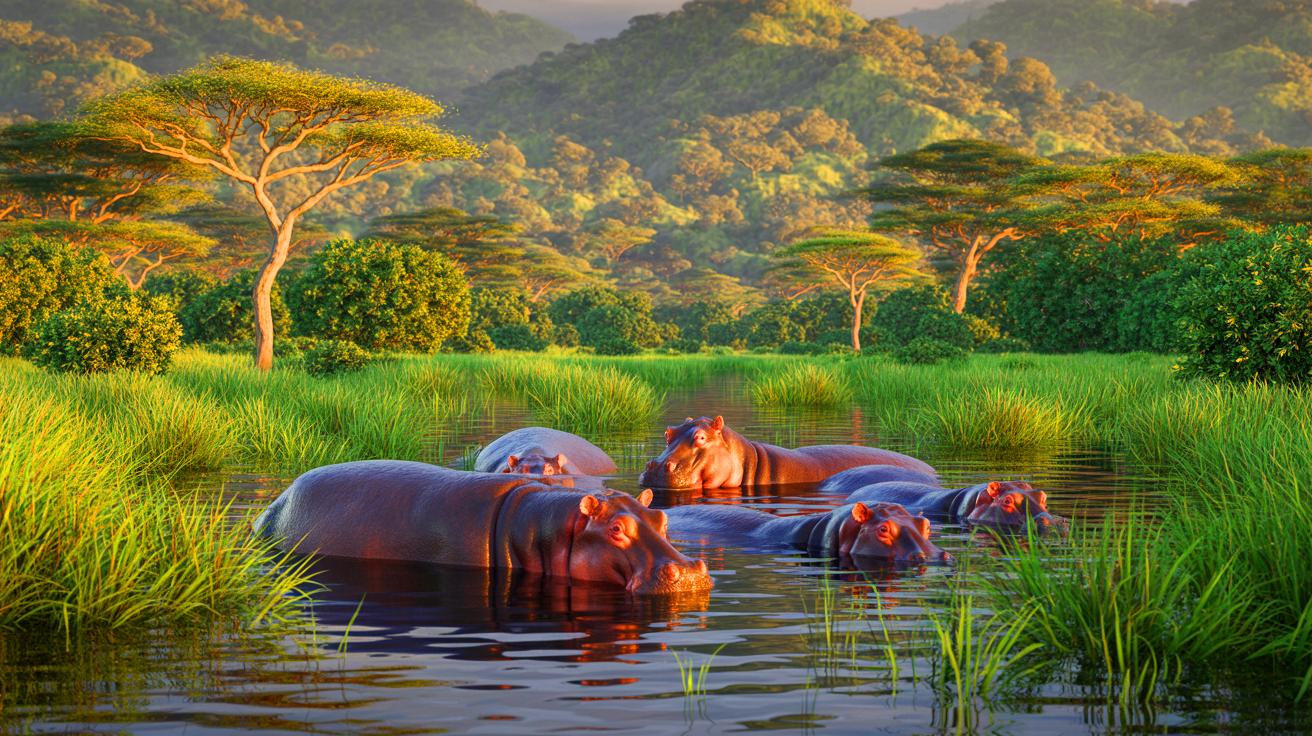
Anthrax is caused by the bacterium Bacillus anthracis, known for its ability to form spores that can survive in the soil for decades. These spores can infect animals and humans through inhalation, ingestion, or cuts in the skin. The disease is particularly dangerous in its inhaled form, where it can be fatal. In Virunga National Park, the hippos succumbed to anthrax after likely ingesting spores while grazing or drinking from contaminated water sources. The carcasses were discovered floating in the river south of Lake Edward, a critical water body separating the DRC from Uganda.
The presence of anthrax in the park is not unprecedented; similar outbreaks have occurred in the past, affecting various wildlife species. However, the current scale of the outbreak is alarming, with about 50 hippos already dead. The hippo population in Virunga is not only threatened by diseases like anthrax but also by habitat loss and poaching, further endangering their survival.
Impact on Local Communities
The anthrax outbreak in Virunga poses a direct threat to local communities living in and around the park. While the disease primarily affects wildlife, it can be transmitted to humans and domestic animals, raising public health concerns. The Congolese Institute for Nature Conservation (ICCN) has advised against consuming bushmeat, a common practice in the region, to prevent potential transmission to humans.
Local communities rely heavily on the park for their livelihoods, whether through tourism, fishing, or small-scale farming. The outbreak has the potential to disrupt these activities, leading to economic challenges. Furthermore, the park's location within a conflict-ridden region complicates efforts to manage the outbreak effectively. Ensuring the safety and health of both the wildlife and the local population requires coordinated efforts between conservationists, health officials, and local authorities.
Conservation Efforts Under Threat
Virunga National Park is not only a haven for hippos but also home to the critically endangered mountain gorillas, among other species. The park’s biodiversity is a key focus of conservationists worldwide. However, the current anthrax outbreak adds to the myriad challenges faced by conservation efforts in the region, including conflict, poaching, and deforestation.
Conservationists are working tirelessly to contain the outbreak and prevent it from spreading to other vulnerable species. This involves monitoring wildlife health, controlling the movement of animals within the park, and conducting educational campaigns for local communities. Nevertheless, the ongoing conflict in the DRC complicates these efforts, as resources and access to certain areas remain limited.
Global Warming Reveals Chilling Truth: How It Could Plunge The Entire World Into A New Ice Age
Future Implications and Strategies
The anthrax outbreak in Virunga highlights the need for improved disease surveillance and management strategies in wildlife reserves. Developing effective vaccination programs for susceptible wildlife species could be a crucial step in mitigating future outbreaks. Additionally, creating buffer zones between wildlife habitats and human settlements might reduce the risk of transmission to humans and domestic animals.
Addressing the root causes of anthrax outbreaks, such as environmental changes and human-wildlife conflict, is essential for long-term solutions. Collaborative efforts involving local communities, governments, and international organizations are necessary to enhance conservation strategies and ensure the health of both wildlife and human populations. As the world grapples with the challenges of biodiversity loss and ecological degradation, how can we better safeguard our natural treasures like Virunga National Park from future threats?