


This Creature’s Astonishing Return Shatters Beliefs: Scientists Discover Miracle Comeback That Changes Everything In Australia
 By
Joseph Mwangi
By
Joseph Mwangi
| IN A NUTSHELL |
|
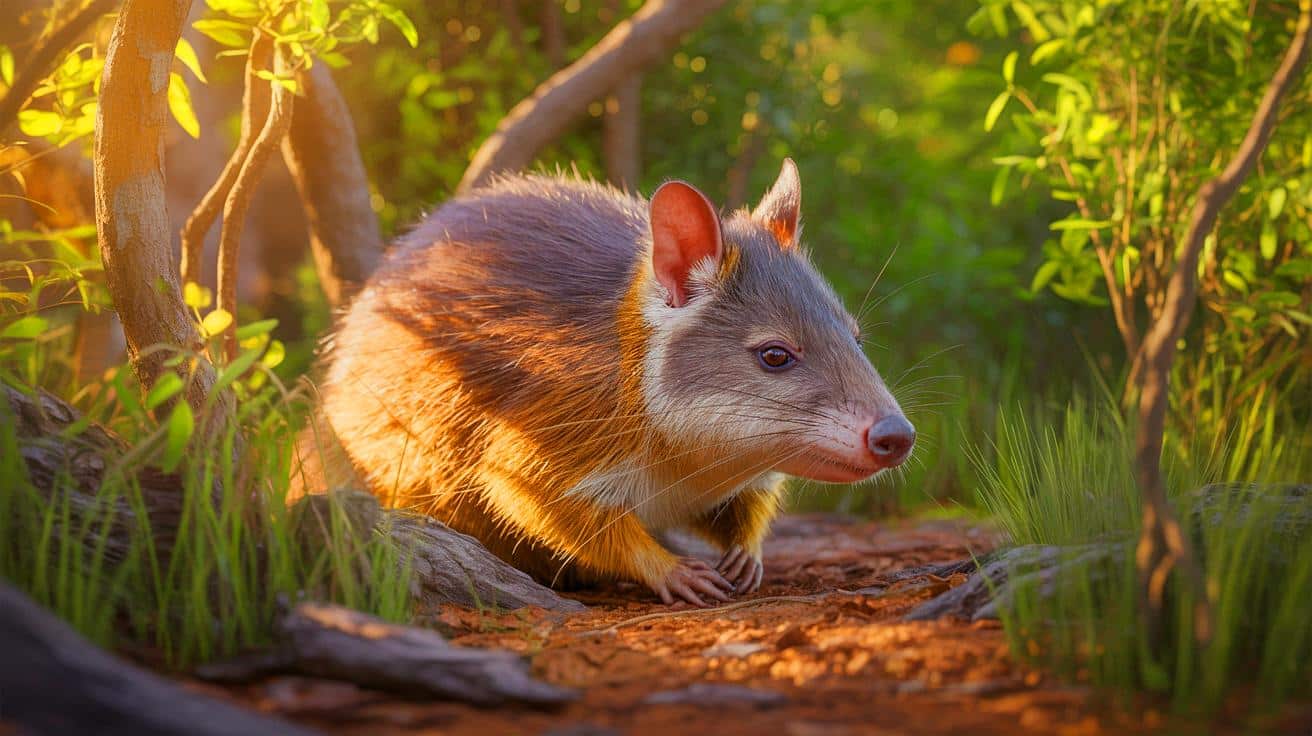
The remarkable return of the Shark Bay bandicoot, once thought extinct for over 150 years, has captivated conservationists and the general public alike. Thanks to the relentless efforts of the Australian Wildlife Conservancy (AWC), this rare marsupial has been spotted once again in the wilds of Australia, specifically in the Pilliga State Conservation Area in New South Wales. This discovery not only serves as a beacon of hope for the species itself but also signifies the potential for similar successes in conservation efforts worldwide, highlighting the importance of dedicated ecological restoration initiatives.
The Shark Bay Bandicoot: A Species on the Brink
The Shark Bay bandicoot, also known as the western barred bandicoot, was once a common sight across the arid regions of Australia. However, the introduction of non-native predators such as foxes and feral cats led to a dramatic decline in their population. As a result, the bandicoot was declared extinct in many areas, symbolizing the severe impact of invasive species on Australia’s native wildlife.
The bandicoot’s decline was a stark reminder of the fragility of ecosystems when exposed to external threats. Conservationists faced a daunting challenge: how to restore a species that had vanished from the wild over a century ago. Despite numerous attempts, success remained elusive until the AWC’s recent initiatives. The organization’s work in the Pilliga State Conservation Area has now rekindled hope for the bandicoot’s survival and offers a roadmap for conserving other endangered species facing similar threats.
A Strategic Relocation Effort: Bringing Bandicoots Back
In August 2023, the AWC embarked on a daring mission to reintroduce the Shark Bay bandicoot to the Pilliga State Conservation Area, located about 260 miles northwest of Sydney. This carefully planned effort saw 66 bandicoots relocated from Shark Bay to New South Wales, marking a significant step in their rewilding journey. The process involved setting up predator-free zones, restoring natural habitats, and conducting ongoing ecological assessments to ensure the animals’ safety and well-being.
The relocation initiative aimed not only to provide a secure environment for the bandicoots but also to establish a self-sustaining population. Despite initial challenges, the project has shown promising results. Recent evidence of a thriving bandicoot family in the conservation area underscores the success of these efforts and demonstrates the potential for similar projects worldwide. The AWC’s approach serves as a testament to the effectiveness of strategic conservation planning and implementation.
“Aside from being completely adorable, it gave us great confidence that the bandicoots are breeding and that the population in the Pilliga is growing.” – Duffin, Lead Ecologist
The Heartwarming Discovery: Bandicoots Reproduce in the Wild
The discovery of a female bandicoot with three young at foot, captured by motion-sensor cameras, was a momentous occasion for the conservation team. This sighting provided the first concrete evidence that the relocated bandicoots were not just surviving but also reproducing in their new environment. It marked a critical milestone in the restoration of the Shark Bay bandicoot population.
The ability of the bandicoots to breed in the wild demonstrates the viability of predator-free zones as a conservation strategy. The absence of invasive predators in the Pilliga State Conservation Area has allowed these marsupials to thrive, offering a glimpse into a future where native species can recover from the brink of extinction. This breakthrough highlights the potential for targeted conservation actions to reverse the damage caused by human activities and invasive species.
Conservation Success: A Model for Future Efforts
The successful reintroduction of the Shark Bay bandicoot is a triumph not only for this species but also for the broader conservation community. The AWC’s comprehensive restoration programs, which aim to bring back six locally extinct mammal species across New South Wales, are setting a new standard for conservation efforts. The positive results seen in the Pilliga State Conservation Area offer valuable insights for similar projects globally.
By combining habitat restoration, continuous monitoring, and community engagement, the AWC has created a sustainable environment for both bandicoots and other endangered species. This success underscores the importance of protecting natural habitats and eliminating threats like feral predators, which can otherwise devastate native wildlife. The lessons learned from the Shark Bay bandicoot’s recovery can inform future conservation strategies, helping to preserve biodiversity for generations to come.
The return of the Shark Bay bandicoot offers a poignant reminder of nature’s resilience and the power of human intervention in restoring ecological balance. As conservationists celebrate this victory, the question remains: how can the lessons learned from this success be applied to other endangered species facing similar challenges around the world?