


This Hidden Ocean Treasure Reveals A Secret That Will Destroy Everything You Thought About European Underwater Riches
 By
Nomvula Dlamini
By
Nomvula Dlamini
| IN A NUTSHELL |
|
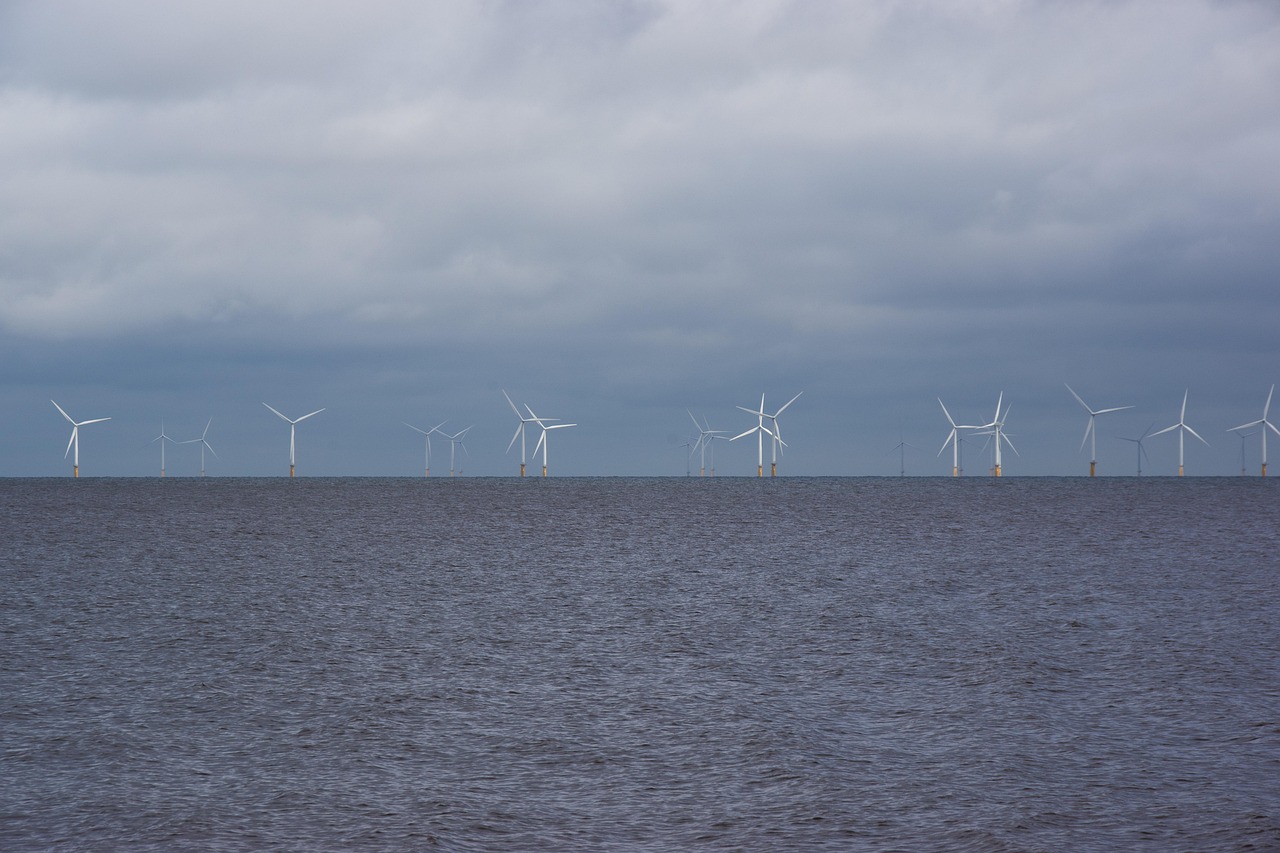
The discovery of a vast potential for clean hydrogen production beneath the North Sea has been heralded as Europe’s largest underwater treasure. Unlike traditional treasures of gold or oil, this newfound wealth is based on sustainable energy. The North Sea, long known for its offshore oil and gas platforms, is now a focal point for renewable energy. Experts estimate that the offshore wind farms in this region could generate up to 300 gigawatts of electricity. This amount of energy, enough to power millions of homes, sets the stage for extensive hydrogen production, offering a promising path toward Europe’s energy diversification and decarbonization goals.
Harnessing the Power of Offshore Wind
The North Sea’s potential for wind energy is immense, with conditions that are particularly favorable for large-scale harnessing. Historically, this region has been a hub for oil and gas, but its future appears to be in offshore wind. The capability to generate 300 gigawatts of electricity from wind farms would not only power households but also facilitate the production of green hydrogen. This is achieved through electrolysis, a process that uses electricity to split seawater into hydrogen and oxygen. When powered by wind energy, the resulting hydrogen is considered “green,” playing a crucial role in reducing carbon emissions.
Green hydrogen is an essential component of Europe’s strategy to decarbonize heavy industries such as steel and cement. These sectors are challenging to electrify directly, making hydrogen an attractive alternative. The capacity to produce approximately 45,000 tons of green hydrogen annually could significantly impact these industries, aiding in the broader push for sustainable practices and reducing reliance on fossil fuels.
Windcatcher and Other Innovations Expand Possibilities
Innovation is central to realizing Europe’s offshore hydrogen goals. The Windcatcher system is one such development, featuring a floating structure with vertically arranged turbines. This design captures more wind per square meter than traditional turbines, enhancing output and efficiency. Engineered to endure harsh offshore environments, the Windcatcher minimizes ocean floor impact and maintenance costs. Such advancements make offshore green hydrogen production not only feasible but potentially economically viable.
Scaling these systems could reduce hydrogen production costs, a significant barrier to widespread adoption. However, the transition from demonstration to large-scale deployment presents challenges. Many projects are in early stages, requiring collaboration among governments, private companies, and energy operators to overcome these hurdles.
Regulatory Fragmentation Slows Down Rollout
Despite its promise, Europe's green hydrogen push faces obstacles, particularly in infrastructure and regulation. The high initial investment necessary for building offshore platforms, electrolysis plants, and subsea power networks is a major constraint. Additionally, the regulatory landscape is complex and fragmented, with EU member states having diverse energy policies. This diversity complicates large-scale cross-border projects, as permits, environmental clearances, and maritime zoning laws vary significantly.
Alignment among stakeholders is another challenge. National governments, energy firms, and environmental agencies often work on parallel tracks, which can delay progress. Without a unified policy direction, Europe's hydrogen ambitions face significant hurdles. Developing a streamlined and cooperative framework is essential for advancing these renewable energy projects efficiently.
Looking Ahead: Challenges and Opportunities
While the potential for green hydrogen production beneath the North Sea is significant, overcoming regulatory and infrastructural challenges is crucial. The investment required, coupled with complex regulatory landscapes, presents hurdles that must be addressed for successful implementation. However, the benefits of green hydrogen, particularly in decarbonizing heavy industries, make the effort worthwhile.
The journey toward a green hydrogen future is just beginning, with numerous technological and regulatory barriers to overcome. Yet, the potential rewards in terms of energy diversification and environmental impact are considerable. As Europe navigates these challenges, the question remains: Can the continent unite its efforts to fully realize the benefits of this underwater treasure?