

Madagascar Protesters Expose Shocking Truth That Terrifies Government And Sparks New Wave Of Unrest
 By
Nomvula Dlamini
By
Nomvula Dlamini
| IN A NUTSHELL |
|
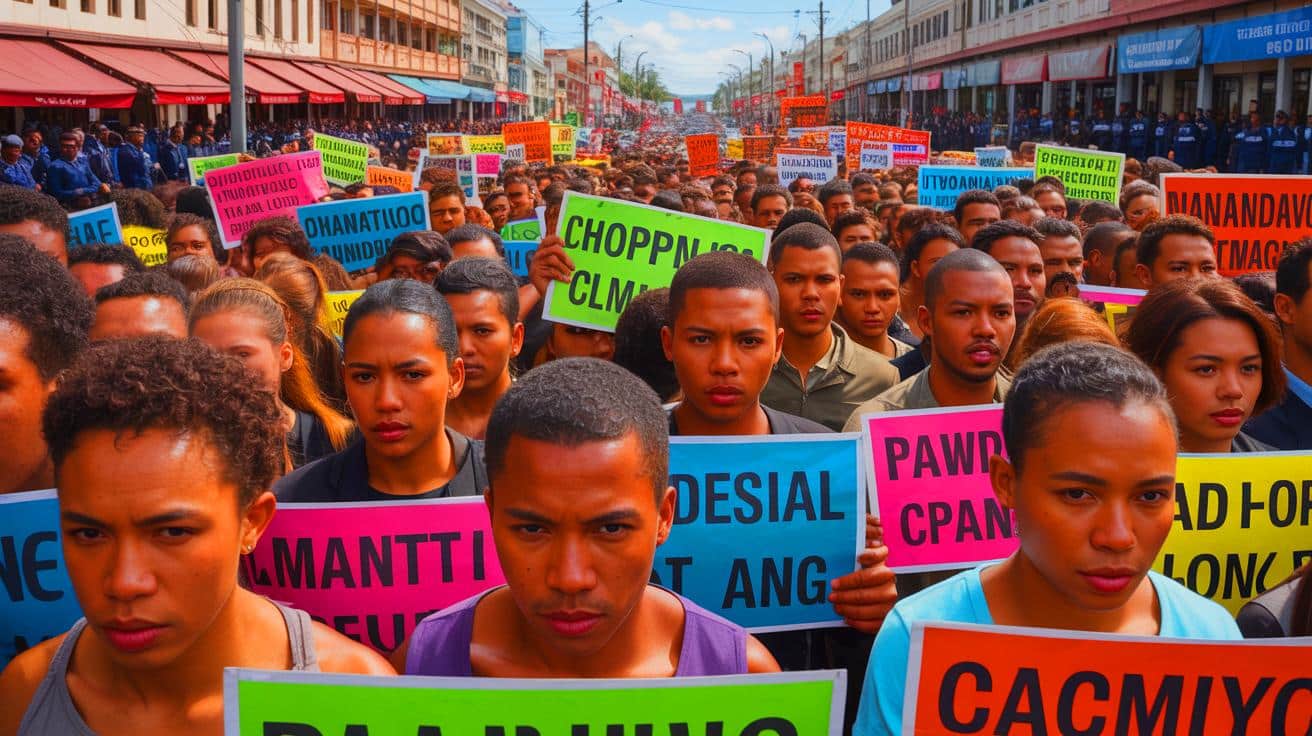
The streets of Madagascar have become a focal point for civil unrest as young protesters, driven by frustration over essential shortages, continue to challenge the government. Despite President Andry Rajoelina’s decision to dissolve his government, the protests have only intensified. On Tuesday, demonstrators took to the streets for the fourth consecutive day, showing no signs of slowing down. The president’s televised apology and call for dialogue seem to have fallen on deaf ears, as placards demanding his resignation highlight the growing dissatisfaction. This wave of protests represents the most significant challenge to Rajoelina’s leadership since his re-election earlier this year.
President’s Attempt to Quell Unrest
President Andry Rajoelina’s recent decision to dissolve his government was intended as a gesture to address the demands of the citizens. During a late-night broadcast on state television, Rajoelina acknowledged the shortcomings of his administration. “Your demands have been heard, and I apologize if there are members of the government who have not done the work that the people expected,” he stated, in an effort to placate the growing unrest.
However, the president’s apology seems insufficient for the protesters, who have been energized by the government’s inability to address fundamental issues such as water and power shortages. Despite the call for dialogue, hundreds of young demonstrators took to the streets once again, demanding more substantial action. The protests are characterized by their size and intensity, marking the largest expression of public discontent in Madagascar in recent years.
Protests Led by Madagascar’s Youth
The current demonstrations are distinctively led by Madagascar’s Gen-Z, who have emerged as a vocal and influential force. This demographic is expressing its dissatisfaction with the status quo, fueled by declining living conditions and a perceived lack of opportunities. The youth-driven protests reflect a broader global trend, as seen in countries like Nepal and Kenya, where young people are increasingly taking to the streets to demand change.
Placards and slogans aimed directly at President Rajoelina underscore the personal nature of the grievances. These young protesters are not just calling for improved services but are also questioning the legitimacy of the current leadership. Their demands for the president’s resignation highlight a profound crisis of confidence in the government, which has yet to provide effective solutions to their problems.
Government’s Response and International Concerns
In response to the escalating protests, the Malagasy government has imposed nighttime curfews in the capital, Antananarivo, and other major cities. Police presence has been heightened, and the use of teargas and rubber bullets has become common. However, these measures have only served to heighten tensions, leading to a more determined uprising from the protesters.
International bodies have expressed concern over the government’s handling of the demonstrations. The United Nations reported that at least 22 people have been killed and more than 100 injured during the protests.
“I urge the security forces to desist from the use of unnecessary and disproportionate force and to immediately release all arbitrarily detained protesters,”
stated UN High Commissioner for Human Rights Volker Türk. The Malagasy ministry of foreign affairs, however, has disputed these figures, pointing to conflicting narratives about the severity of the situation.
The Broader Context of Discontent
The protests in Madagascar are not occurring in isolation. They reflect a broader pattern of youth-led movements challenging governments across the globe. The frustrations in Madagascar echo similar sentiments in other countries where young people feel marginalized and are seeking to assert their influence.
The current unrest raises critical questions about the ability of governments to meet the expectations of a younger, more dynamic populace. The protests highlight the urgent need for effective governance that addresses the immediate needs of citizens while also providing a vision for the future. This moment represents a crucial juncture for Madagascar, as the government must decide whether to engage constructively with its youth or risk further alienation and instability.
As the protests in Madagascar continue, the world watches to see how the government will respond to its citizens’ demands. The situation remains tense, with a resolution not yet in sight. The challenge for President Rajoelina is clear: to bridge the gap between the government’s actions and the expectations of its people. Will this moment of unrest lead to meaningful change, or will it further entrench the divisions within the country? The answer may lie in the government’s willingness to sincerely engage with the voices of its youth.