
Joseph Kabila’s Shocking Betrayal Reveals Secret That Terrifies Millions And Shatters Trust In Political Leaders
 By
Kwame Asante
By
Kwame Asante
| IN A NUTSHELL |
|
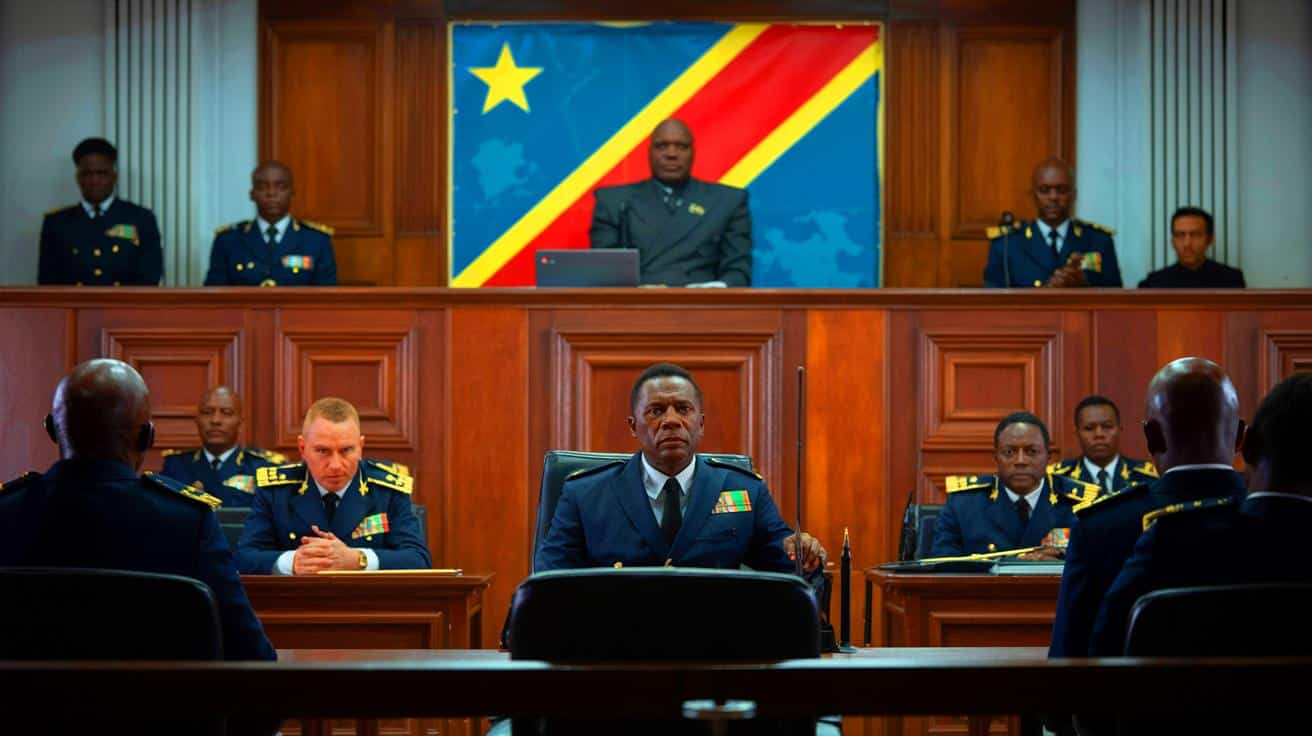
The Democratic Republic of Congo (DRC) has witnessed a seismic shift in its political landscape following the conviction of its former president, Joseph Kabila. Kabila has been sentenced to death by a military court for charges including treason and war crimes. These charges are tied to his alleged involvement with the M23 rebel group, accused of orchestrating insurrections in the eastern part of the country. This verdict underscores the tumultuous political climate in the DRC and raises questions about the nation’s path forward. As the country grapples with these developments, the implications for its political stability and governance remain profound.
Joseph Kabila’s Conviction: A Political Earthquake
Joseph Kabila’s sentencing marks a significant moment in the DRC’s history. The former president, who governed from 2001 to 2019, was found guilty of several charges, including treason, conspiracy, and organizing an insurrection. The court’s decision to sentence him to death has sparked widespread debate and concern. Kabila, who has been in a self-imposed exile, returned to the DRC earlier this year, only to face these grave accusations.
The charges against Kabila are rooted in his alleged collaboration with the Rwanda-backed M23 rebel group. This group has been active in the eastern regions of the DRC, causing significant unrest. The court also ordered Kabila to pay substantial damages, amounting to $29 billion to the DRC, with additional payments to the provinces of North and South Kivu. This financial penalty further highlights the gravity of the accusations against him.
Implications for the DRC’s Political Stability
The conviction of a former head of state is an unprecedented event in the DRC, raising concerns about the country’s political stability. The trial and its outcome are seen by some as a politically motivated move to silence opposition voices. Kabila himself has denounced the proceedings as dictatorial, particularly following the senate’s decision to repeal his immunity from prosecution.
These political maneuvers have further polarized the DRC’s political landscape. While some view the court’s decision as a step towards justice and accountability, others see it as a potential catalyst for further unrest. The involvement of the M23 rebel group, which has already seized key cities in the east, adds another layer of complexity to the situation.
The Role of the M23 Rebel Group
The M23 rebel group has played a central role in the charges against Kabila. Their actions in the eastern DRC have led to significant instability, with accusations of their collaboration with Kabila casting a long shadow over the trial. This group, reportedly backed by neighboring Rwanda, has been accused of various human rights violations and insurrections in the region.
The presence of the M23 rebels in the DRC has been a persistent issue, exacerbating tensions between the DRC and Rwanda. The allegations of Kabila’s involvement with this group not only tarnish his legacy but also complicate diplomatic relations in the region. As the DRC navigates these challenges, the question of how to effectively address rebel activities remains pressing.
Future Prospects and Challenges
As the DRC confronts the aftermath of Kabila’s conviction, the path forward is fraught with challenges. The government’s ability to maintain peace and order in the face of potential unrest will be critical. The international community’s response to these developments will also play a role in shaping the DRC’s future.
In light of the conviction, questions about governance, accountability, and justice in the DRC have come to the forefront. The nation’s leadership must navigate these turbulent waters carefully to avoid further destabilization. The situation also demands a reevaluation of the DRC’s relationship with its neighbors, particularly Rwanda, to ensure regional stability.
The conviction of Joseph Kabila has undoubtedly marked a turning point for the Democratic Republic of Congo. As the nation grapples with the implications of this verdict, the broader question remains: how will the DRC manage its internal and external challenges to foster a more stable and just society?