



Exploring the diverse cuisines of Africa
 By
Nomvula Dlamini
By
Nomvula Dlamini
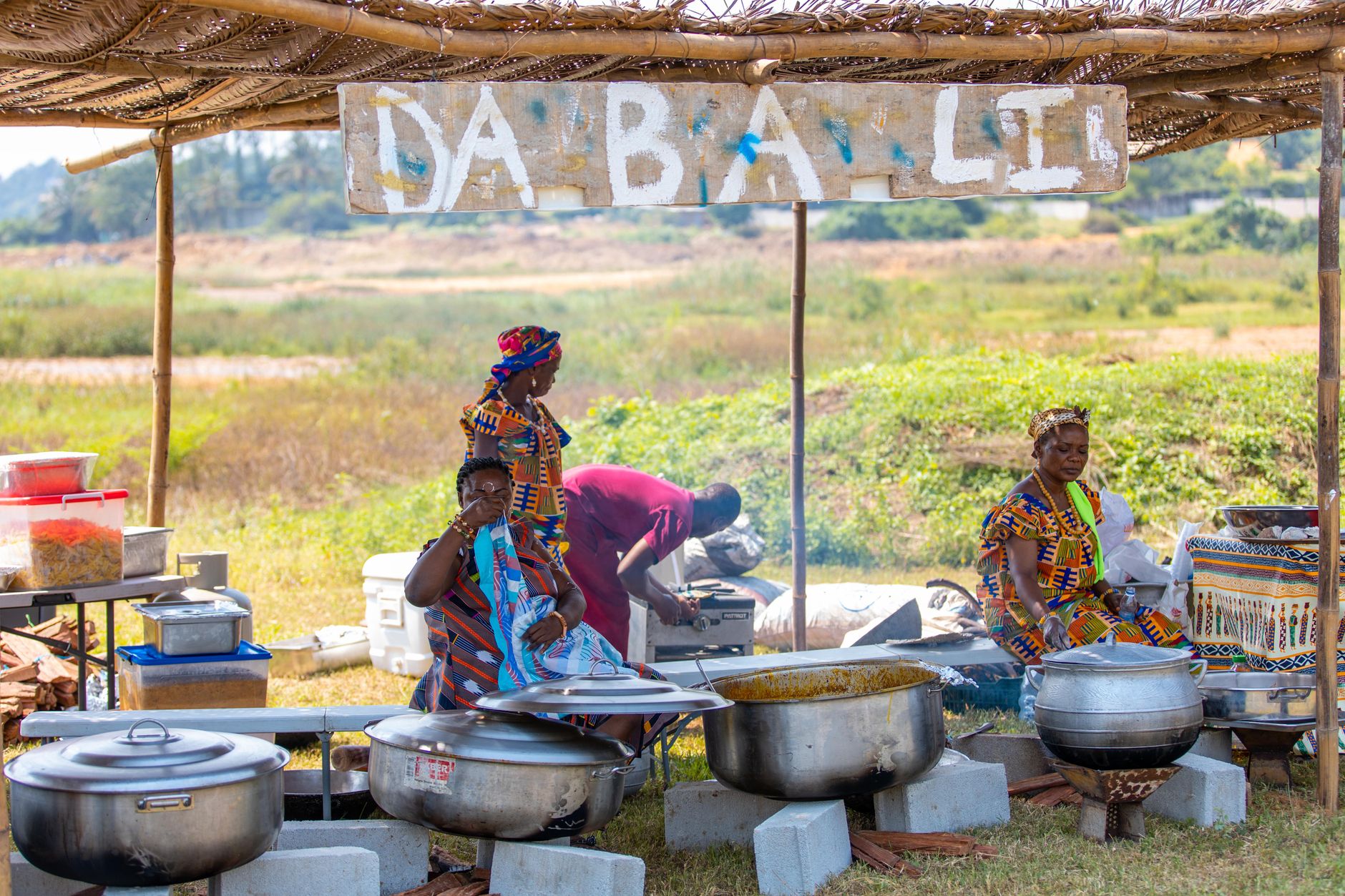
|
IN A NUTSHELL |
|
Exploring the culinary landscapes of Africa reveals a continent where diversity is not merely cultural but gastronomic. From the saffron-scented tagines of the Maghreb to the smoke-kissed grills of East Africa, African cuisine challenges simplistic labels and demands recognition as a global culinary force. The argument is clear: to understand Africa is to taste its regions – each plate carries histories of trade, migration and colonial exchange, and each technique, from fermentation to open-fire grilling, encodes local knowledge. Increasing international interest in dishes such as jollof, injera and bobotie reflects both the continent’s rich resources and a shifting culinary conversation that elevates traditional ingredients like teff, millet and palm oil. Yet this surge also raises questions about appropriation, authenticity and economic benefit for local producers. This introduction frames African food not as an exotic novelty but as a contested, evolving field where culinary heritage, sustainability and global markets collide, inviting readers to reconsider assumptions about taste, origin and value.
North African spice systems
The mosaic of North African cuisine is not accidental; it is an argument in favor of intentional layering of flavors. Ingredients like cumin, coriander, cinnamon, and saffron are not mere aromatics but the structural elements that give dishes such as the tagine and couscous their identity. Moroccan tagines, simmered slowly in their conical pots, demonstrate how controlled heat and time create complexity: the spices meld with fruit, nuts, and preserved lemons to produce more than the sum of their parts. When spices are treated as architecture rather than garnish, a dish becomes a cultural statement.
This region’s culinary history is an active debate between tradition and adaptation. Centuries of Berber, Arab, Ottoman, and French contact mean that a single plate can carry multiple lineages. Tunisian couscous, laced with harissa and robust vegetables, argues that heat and texture can coexist with restraint and balance. One can trace the exchange of ingredients and techniques through modern writing; for a focused overview of the region’s flavors see this exploration of African cuisine on African Sahara, which outlines how trade and migration shaped Core North African dishes.
There is also an ecological and cultural case to be made for these foods: preserved lemons and olives are practical, scalable ways to extend harvests while contributing acidity and umami. North African food is persuasive because it demonstrates culinary resilience: methods that respect scarce ingredients yield bold results. For readers interested in the broader context of African culinary identity and how it resonates globally, resources like CookUnity provide perspectives on how these traditions are adapted in contemporary kitchens.
West African richness and staples
West African cuisine insists on abundance. This is not gluttony but a response to agricultural potential and social ritual: dishes are built to feed families and communities. The staple of many plates is rice – transformed into the iconic jollof rice – or grounded tubers turned into fufu. Jollof, a tightly argued claim to regional supremacy, uses a concentrated tomato base, peppers, and onions to create a unified canvas upon which proteins or vegetables can be showcased. Jollof’s enduring popularity proves that simplicity executed with precision becomes tradition.
The West African palate also leans toward textural richness achieved through palm oil and groundnuts. Peanut stews illustrate this point: ground peanuts act as both flavor and thickening agent, producing a dense, satisfying mouthfeel while contributing protein and fat. The liberal use of chilis – introduced via historical trade – makes heat an essential vector for taste rather than shock. Practicality underlies many preparations; palm oil, for example, is locally available, calorically dense, and chemically stable for cooking in hot climates.
Street food and snacks play a crucial argumentative role in cultural transmission. Items like akara (bean fritters) or fried plantains are portable expressions of culinary logic: maximize flavor from minimal inputs. For contemporary readers, pieces that catalogue these traditions – such as the field report on traditional African food at I Love Africa – make the case that West African food is both resilient and adaptable. West African cuisine persuades by proving that economy can be delicious and that communal eating reinforces social cohesion.
East African grains and techniques
East African cuisine makes an uncompromising argument for the primacy of texture and shared eating. At the center is injera, a fermented teff flatbread whose spongy surface becomes both plate and utensil. The tang of injera is produced by fermentation, a deliberate biochemical strategy that improves nutrition and shelf life while delivering an unmistakable flavor profile. Paired with doro wat, a berbere-spiced chicken stew enriched with niter kibbeh, injera illustrates how fermentation, fat, and spice can converge into an integrated eating experience. Fermentation in East Africa is not novelty; it is a sustained practice that solves preservation and nutrition challenges.
On the coast and in highland regions alike, grains and grilled proteins shape daily and celebratory meals. Nyama choma, the East African tradition of grilled meat, advances the idea that communal cooking over open flames produces both flavor and social capital. The act of grilling is as much about performance as it is about taste – smoke, char, and simple seasonings amplify the inherent qualities of the meat. East African cuisine also shows strong external influences from Indian and Middle Eastern trade routes; spices such as cardamom and cloves are woven into coastal dishes, and samosas migrated across cultural boundaries to become staple street fare.
Contemporary discussions around East African food increasingly highlight how traditional techniques adapt in urban contexts. For practical reading that synthesizes these trends, see broad surveys like Social Studies Help, which places regional methods in historical perspective. East African cooking makes the case that culinary practices persist because they answer ecological, nutritional, and social needs simultaneously.
Southern and Central African fusion
Southern and Central African cuisines make a persuasive case for fusion as cultural memory. Dishes like South African bobotie – a spiced minced meat bake topped with an egg custard – are living arguments for the complexity of colonial and diaspora influences, blending Malay, Dutch, and indigenous elements into a single plate. In Zimbabwe, sadza (a maize porridge akin to polenta) functions as a neutral but essential substrate for intensely flavored stews and grilled fish, demonstrating how starches organize meals and social interaction. Food in these regions acts as a map of migration and contact, with each ingredient narrating a history.
Central African dishes such as ndolé from Cameroon or muamba de galinha from the Congo present an argument for local biodiversity: bitter leaves, peanuts, palm oil, and game or chicken are combined to optimize flavor and nutrition. These combinations are not arbitrary but reflect long-term knowledge about what grows, what preserves, and what balances the palate. Grilling and drying game meats – evident in practices like biltong – also reveal adaptive strategies for preserving protein in variable climates.
The region’s culinary identity is increasingly visible on global platforms, and authoritative travel and food resources underscore tourism’s role in sustaining traditional practices. For readers weighing culinary travel options, sources like AfricaTimes’ tourism guide highlight destinations where food and landscape converge: Top Africa Tourism offers practical context for culinary exploration. Southern and Central African foods argue that preservation of culinary heritage is inseparable from cultural tourism and ecological stewardship.
Culinary techniques, ingredients, and contemporary trajectories
Arguing for the durability of African culinary systems requires examining technique, ingredient sourcing, and innovation. Techniques such as slow cooking, fermentation, and open-flame grilling are not merely traditional affectations; they are optimized solutions to preserving, tenderizing, and flavoring food in different climates. Slow-cooked tagines and stews let connective tissues break down and spices harmonize. Fermentation – exemplified by injera production – enhances digestibility and vitamins. Grilling over coals imparts desirable smoky compounds and facilitates communal preparation.
Staple ingredients provide an economic argument: grains like maize, millet, sorghum, and teff are climate-adapted crops that sustain populations and shape cuisine. Tubers and plantains provide caloric density and versatility. Spices – berbere, ras el hanout, harissa – act as regional signatures, enabling modest ingredients to deliver maximal sensory impact. Sourcing locally is not romanticism; it is resilience built into food systems.
Modern chefs and diasporic communities are reframing traditional dishes to fit contemporary palates and restaurant contexts, which both preserves and transforms culinary heritage. Culinary journalism and curated guides, such as the feature on traditional cuisine at Amazing Food and Drink and the cultural overview at AfricaTimes (which also touches on agricultural preservation), argue that protecting seed diversity and promoting local foodways are twin priorities. Practical charts help clarify regional staples and functions:
| Region | Key staples | Typical techniques |
|---|---|---|
| North Africa | Couscous, preserved lemon, olives, spices | Slow braising, spice blends, preserving |
| West Africa | Rice, cassava, peanuts, palm oil | One-pot stews, frying, palm-oil based sauces |
| East Africa | Teff, maize, grilled meats | Fermentation, grilling, stewing |
| Southern & Central Africa | Maize porridge, game meats, peanuts | Drying, stewing, baking |
Preserving culinary diversity requires policy attention, culinary entrepreneurship, and informed consumption. For practical recipes and home adaptations, comprehensive resources like Social Studies Help and the practical introductions compiled on Amazing Food and Drink present accessible pathways. This argument is clear: supporting local ingredients, sharing knowledge, and elevating street-level vendors into sustainable businesses will ensure that African cuisines remain both rooted and dynamic.
Why Exploring African Cuisines Matters
Exploring African cuisine is not merely a culinary indulgence; it is an urgent cultural and economic argument. The continent’s foodways – ranging from the aromatic slow-cooked stews of the north to the fiery, tomato-rich one-pot dishes of the west – demonstrate a spectrum of techniques and ingredients that deserve intentional study and celebration. By engaging with these traditions, diners and chefs alike validate centuries of local knowledge and resist reductive narratives that treat African food as monolithic.
Consider how regional staples – tagine with its layered spices, jollof rice with its communal pride, and injera with its fermented tang – each encapsulate unique histories of trade, migration, and adaptation. Promoting these dishes supports more than taste diversity: it strengthens local food systems by increasing demand for locally sourced ingredients like teff, millet, plantains, and palm oil. That economic ripple benefits small-scale farmers and preserves agricultural biodiversity.
Moreover, the techniques embedded in African kitchens – slow cooking, fermentation, and open-fire grilling – offer practical, sustainable methods that modern gastronomy can learn from. Fermentation enhances nutrition; communal cooking methods reduce energy intensity; open-fire grilling re-centers ritual and social cohesion in eating practices. Arguing for deeper engagement with African cuisines is therefore a call to broaden culinary literacy and to integrate resilient, low-tech practices into global food culture.
Finally, embracing the continent’s culinary diversity counters cultural erasure and expands the global palate. Highlighting regional specialties and street-food traditions elevates marginalized voices and fosters cross-cultural exchange. The case is clear: investing time, curiosity, and resources into African culinary traditions yields cultural preservation, economic empowerment, and culinary innovation – outcomes that make this exploration not optional but necessary.
Frequently Asked Questions – Exploring the Diverse Cuisines of Africa
Q: What explains the immense diversity of African cuisine?
A: The continent’s culinary variety arises logically from its wide geography, centuries of migration and trade, and a multitude of ethnic traditions; these factors produce distinct regional ingredients, techniques, and flavor priorities that cannot be reduced to a single style.
Q: Which dishes best represent each region of Africa?
A: Representative plates make the argument concrete: North Africa with tagine and couscous, West Africa with jollof rice and peanut stews, East Africa with injera and grilled nyama choma, Central Africa with ndolé and palm-oil stews, and Southern Africa with bobotie and sadza – each exemplifies the region’s staple ingredients and methods.
Q: How do local ingredients define regional cuisines?
A: Local produce dictates technique and taste: where teff grows, you get injera; coastal zones favor seafood and coconut, while inland regions lean on grains, tubers, and robust stews. This ecological determinism explains why dishes vary so markedly across regions.
Q: What cooking techniques are central to African food traditions?
A: The cuisine rests on persuasive techniques: slow cooking for depth (as in tagines and stews), fermentation for preservation and nutrition (seen in injera and traditional beers), and communal grilling for flavor and social ritual (such as nyama choma). These methods shape both taste and culinary culture.
Q: How important are spices and spice blends to African flavors?
A: Extremely important; distinct blends like berbere, ras el hanout, and regionally used harissa illustrate how spice choices create regional identity – adding not just heat but layers of aroma and cultural meaning.
Q: Does African cuisine offer nutritional advantages?
A: Yes – its reliance on whole grains, legumes, fermented foods, and fresh produce supports balanced diets; fermentation enhances bioavailability of nutrients, and diverse plant-based staples provide fiber and micronutrients often lacking in more homogenized diets.
Q: In what ways have historical exchanges shaped African food?
A: Trade and colonization brought decisive influences: Arab and Mediterranean contacts introduced preserved lemons and aromatic blends in the north; Portuguese routes spread chili peppers to West Africa; Dutch and Asian exchanges informed Southern African fusion dishes – these interactions transformed ingredients and cooking styles across the continent.
Q: How does communal dining influence African culinary practices?
A: Communal eating is not merely social decoration; it structures meal composition and portioning, favors shareable preparations like stews and porridges, and reinforces intergenerational transmission of recipes – making cuisine a living cultural institution rather than isolated recipes.
Q: What role does street food play in African food culture?
A: Street food functions as culinary experimentation and cultural exchange: vendors distill regional flavors into portable formats – grilled skewers, fried plantains, samosas, and bean fritters – making traditional tastes accessible and fostering innovation that often migrates into restaurants.
Q: How is African cuisine evolving on the global stage?
A: Urban chefs and diaspora communities are making a persuasive case for reinterpretation: by adapting traditional techniques and using indigenous ingredients in contemporary formats, they increase global visibility and demand, prompting both appreciation and creative fusion without erasing origins.
Q: Are African desserts and beverages distinctive?
A: Absolutely – confections such as baklava-style sweets in the north, fried doughs like mandazi and chin chin, and drinks ranging from mint tea and hibiscus infusions to fermented palm wine and regional herbal teas demonstrate how sweets and beverages reflect local crops and historic taste preferences.