


South African Rowing Team’s Historic Boston Regatta Participation Sparks National Pride and International Recognition
 By
Kwame Asante
By
Kwame Asante
| IN A NUTSHELL |
|
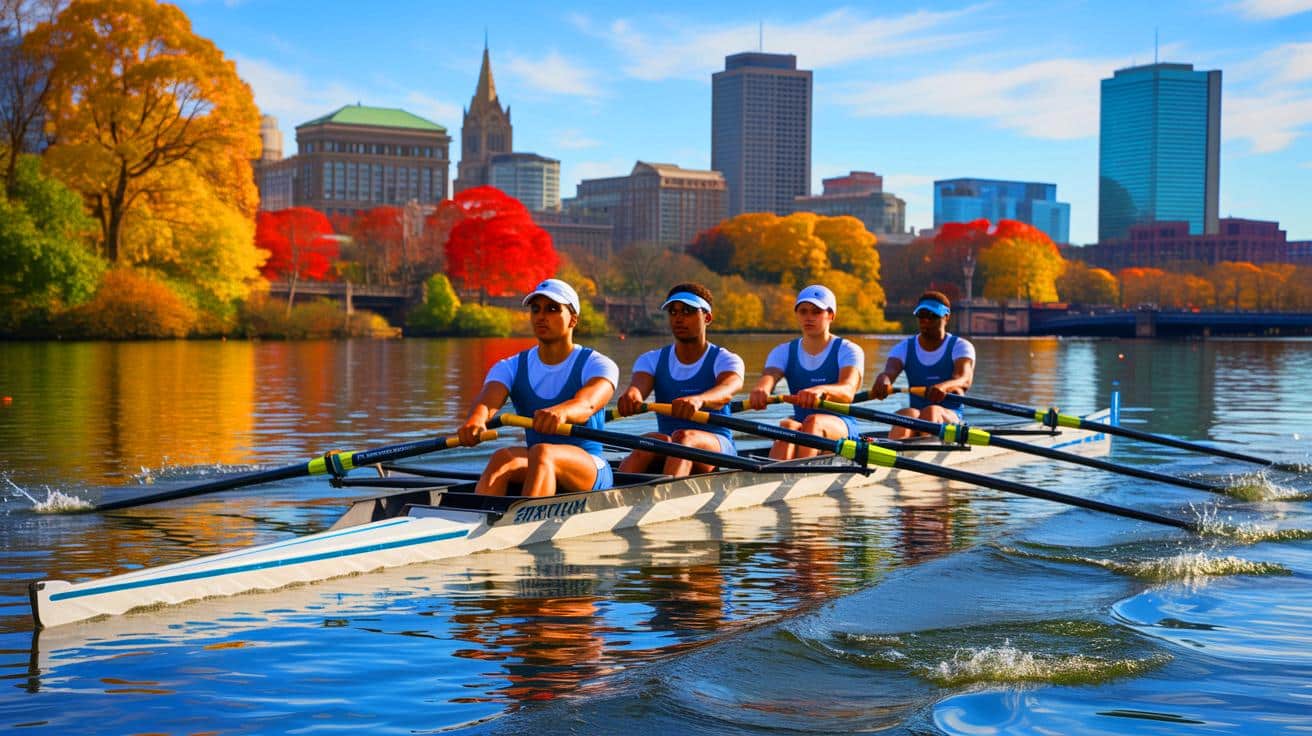
This weekend, four South African rowers are set to make history at the Head of the Charles Regatta in Boston, Massachusetts. This event represents a significant milestone as they become the first all-Black African team to compete in this prestigious race. Their participation not only challenges the traditional demographics of rowing but also serves as a beacon of hope and inspiration for future generations of athletes from diverse backgrounds. The team’s presence is a testament to the growing inclusivity in the sport and highlights the importance of representation and diversity in competitive rowing.
Breaking Barriers in Rowing
The Head of the Charles Regatta is renowned for being the largest three-day rowing event in the world, attracting participants from all over the globe. For the South African team, composed of Lwazi-Tsebo Zwane, Lebone Mokheseng, Sepitle Leshilo, and Sheldon Krishnasamy, this event is much more than just a race. It marks a historic moment as they become the first all-Black African crew to compete in the regatta. Zwane expressed his surprise upon learning about their trailblazing role, noting the significance of being one of the first minority crews to participate.
For Zwane and his teammates, this is more than a personal achievement; it is an opportunity to challenge the status quo. Rowing has traditionally been perceived as an elite sport, often dominated by White athletes from prestigious institutions. The inclusion of a diverse team at such a high-profile event is a step toward breaking down barriers and encouraging a broader range of participants to pursue the sport. Their entry into this race is indicative of a shift toward a more inclusive sporting environment.
Inspiring the Next Generation
The significance of the South African team’s participation extends beyond the immediate competition. Their coach, Michael Ortlepp, highlights the potential impact on younger generations. By competing in Boston, these athletes are demonstrating what can be achieved, serving as role models for aspiring rowers who may not have seen themselves represented in the sport. Ortlepp stresses the importance of having figures to look up to, something that has been lacking for many young athletes from similar backgrounds.
This representation is crucial in fostering a sense of possibility and ambition among young South Africans. It challenges preconceived notions about who can excel in rowing and opens doors for future athletes. The team’s presence in such a prestigious event not only inspires individual aspirations but also signals a broader cultural shift toward inclusivity in sports, where talent and dedication can pave the way for success, regardless of one’s background.
Merit-Based Selection and Achievements
The journey to the Head of the Charles Regatta was not solely about representation. The team was selected based on merit, as emphasized by Ken Gliddon, the president of Western Cape Rowing. Gliddon was instrumental in assembling the team, ensuring their skills and commitment were the primary criteria for participation. This approach underscores that the athletes are not merely symbolic participants; they are serious competitors who have earned their place at the event through hard work and determination.
Participating in the 2.9-mile race, the South African crew will face off against some of the best rowers in the world, including teams from prestigious U.S. universities. This level of competition is a testament to their skills and the rigorous training they have undergone. By focusing on merit, the team sets a precedent that excellence and opportunity can coexist, providing a powerful narrative for aspiring rowers worldwide.
Looking to the Future
The South African rowers’ participation in the regatta is just the beginning of what they hope will be a long-lasting impact on the sport. Zwane expressed his honor in being seen as a “guiding light” for younger South Africans, emphasizing the importance of demonstrating that they are not limited by their origins. This sentiment is crucial as it encourages young athletes to pursue their dreams, regardless of the barriers they may face.
The team’s journey to this point is a story of dedication, resilience, and a commitment to breaking new ground. As they compete, they carry the hopes of not just a nation but of all those who aspire to redefine what is possible in rowing and beyond. Their story raises an important question: How can the sports community continue to foster diversity and inclusion to ensure that talent from all backgrounds has the opportunity to shine?