


Neanderthal Genes in Mice Reveal Astonishing Insights into Human Evolution, Challenging Scientific Assumptions
 By
Kwame Asante
By
Kwame Asante
| IN A NUTSHELL |
|
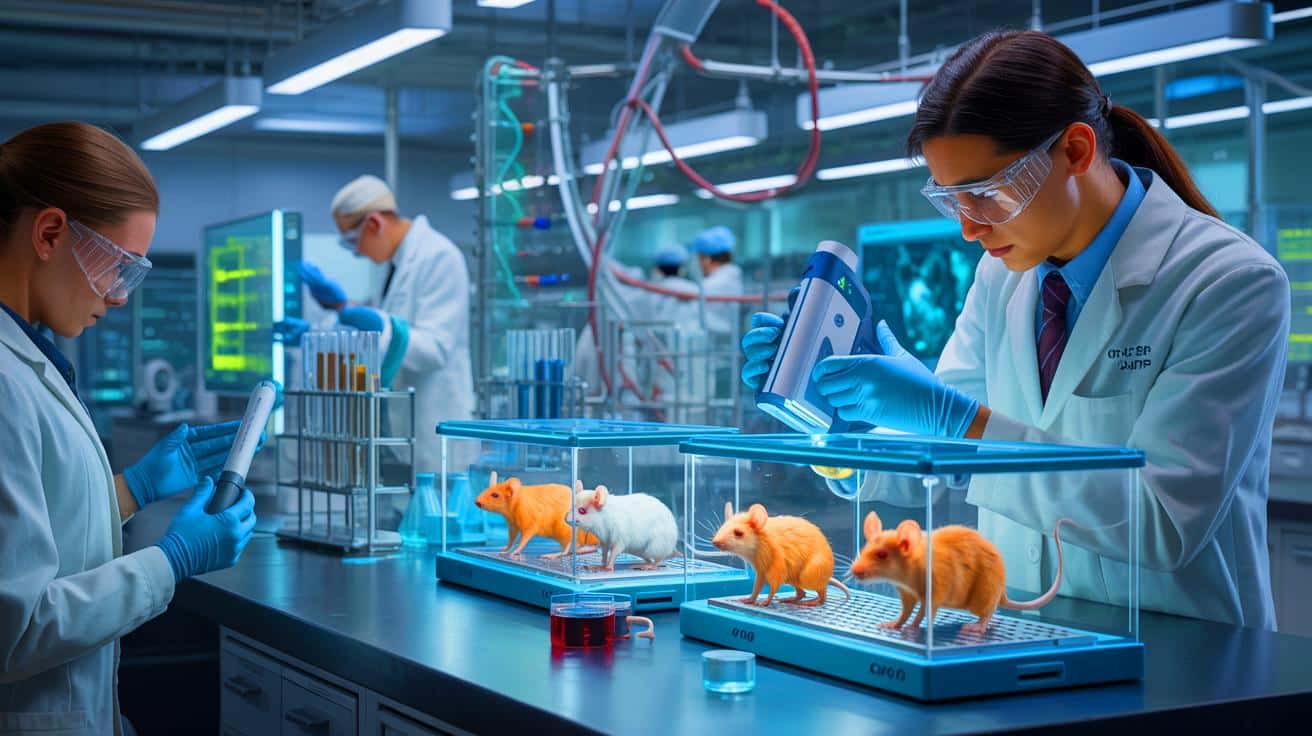
In an unprecedented scientific endeavor, researchers have taken a bold step into the genetic past by inserting Neanderthal genes into modern mice. By utilizing the advanced capabilities of CRISPR technology, they aimed to decipher the mysteries of ancient hominin traits. The experiment, which yielded surprising results, has the potential to transform our understanding of human evolution and provide insights into the genetic factors that distinguished Neanderthals and Denisovans from modern humans. This pioneering research opens a window into the past, revealing how ancient genes could have shaped the physical characteristics of these long-extinct relatives.
Unlocking Ancient Genes: CRISPR Technology Takes Center Stage
The recent study, published in Frontiers in Cell and Developmental Biology, marks a significant milestone in genetic research. Scientists employed CRISPR gene editing to incorporate an ancient version of the GLI3 gene into mice, a gene that plays a pivotal role in embryonic development. Both Neanderthals and Denisovans carried this version, which is slightly different from that found in modern humans. By inserting this gene, researchers hoped to mimic some of the skeletal features observed in fossilized remains of these extinct hominins.
The GLI3 gene is integral to the development of the brain and skeleton, guiding the formation of bones and brain structure. In Neanderthals and Denisovans, this gene’s altered form likely contributed to their distinctive physical traits. The researchers’ goal was to understand how these variations influenced the development of unique skeletal structures. Although the experiment was conducted on mice, it offers a glimpse into the genetic mechanisms that may have driven evolutionary changes in our ancient relatives.
The Surprising Results: Mice with Larger Heads and Twisted Ribs
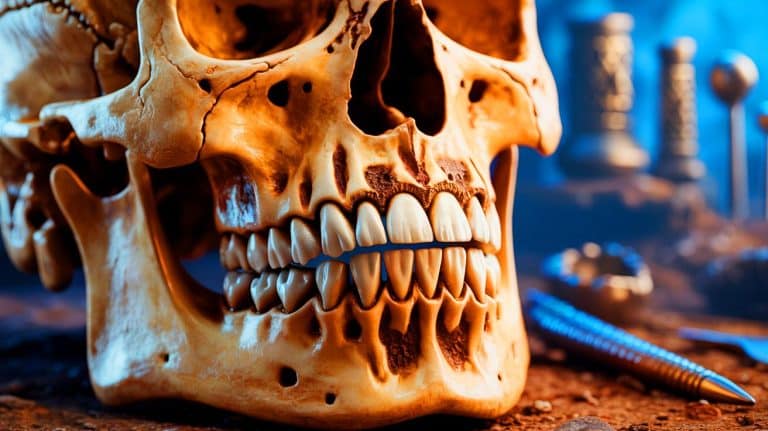
The outcome of the genetic manipulation was both unexpected and enlightening. The altered GLI3 gene resulted in mice developing larger craniums, a characteristic feature of Neanderthals and Denisovans. This was not merely a cosmetic change; the enlarged head was accompanied by modifications to the spine and rib cage. The mice exhibited twisted ribs and shortened spines, echoing the broader rib cages and low, elongated skulls of Neanderthals.
Remarkably, these mice did not experience the severe malformations associated with GLI3 mutations in modern humans, such as polydactyly or significant cranial defects. Instead, the gene caused morphological changes reminiscent of those seen in ancient hominins. This suggests that while the gene did not disrupt development, it played a key role in shaping their physical form. The findings provide a fascinating link between genetic variations and the evolution of unique anatomical features.
Neanderthal and Denisovan Physiology: A Glimpse into Evolutionary Traits
The study’s results point to the GLI3 gene as a contributor to the distinct physical traits of Neanderthals and Denisovans, such as their enlarged cranium and specific skeletal structures. These features may have been adaptive traits linked to survival in challenging environments. For example, larger skulls could have housed more complex brains, which might have been advantageous in harsh conditions.
The mice’s altered vertebrae and rib formations resemble characteristics found in Neanderthal skeletons, such as scoliosis and macrocephaly. Although not universal among Neanderthals, these traits may have provided advantages in terms of physical endurance and adaptability. From thermoregulation to improved hunting capabilities, these characteristics could have played a crucial role in their survival strategies. The study suggests that these evolutionary traits, while not without their challenges, offered significant benefits in the context of their environment.
The arginine to cysteine substitution in GLI3/Gli3 affects common anatomical structures in humans and mice.
The Role of GLI3: Evolution’s Blueprint for Physical Traits
The GLI3 gene is central to embryonic development in mammals, influencing a range of physical characteristics. In Neanderthals and Denisovans, the altered version of GLI3 appears to have been advantageous rather than detrimental. Researchers believe this gene was instrumental in developing body traits that allowed these early humans to adapt to their surroundings.
By comparing the effects of GLI3 in modern mice with those in ancient hominins, the study highlights the impact of genetic variations on an entire species. The ability to manipulate genes using CRISPR technology paves the way for future experiments, potentially unveiling the genetic basis of human traits. As we delve into our ancestors’ genetic makeup, we are invited to reflect on the traits that made them unique and consider their lasting influence on modern humans.
As researchers continue to explore the genetic legacy of Neanderthals and Denisovans, the implications of their findings extend beyond scientific curiosity. The study raises intriguing questions about the role of ancient genes in shaping modern human evolution. How might these genetic insights inform our understanding of human adaptability and resilience in the face of changing environments?
Continue reading