

“We’re Freezing the Future Here”: Deep Beneath Norway’s Ice, Africa’s Ancient Seeds Find Shelter From a Warming World
 By
Joseph Mwangi
By
Joseph Mwangi
| IN A NUTSHELL |
|
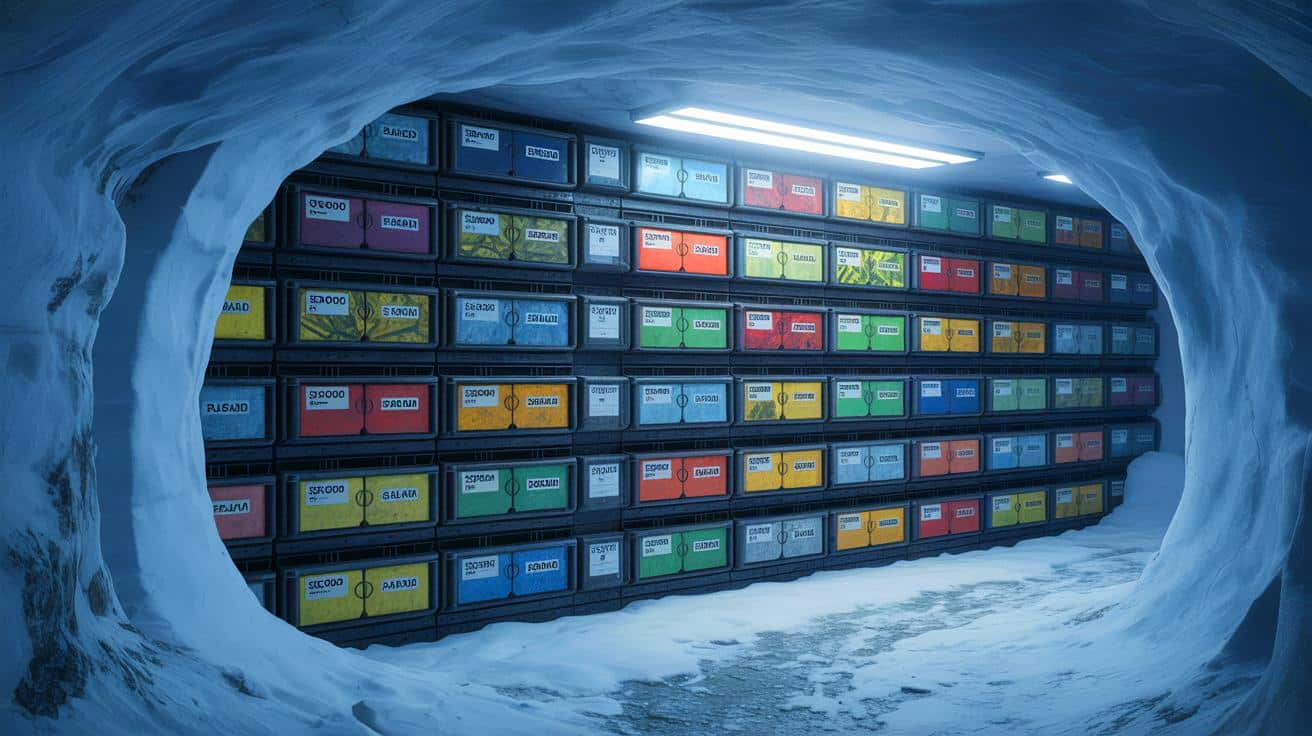
In the remote permafrost of northern Norway, the Svalbard Global Seed Vault serves as a critical repository for the world’s agricultural biodiversity. This secure facility, established by the Norwegian government in 2008, provides backup storage for seed banks worldwide. Its mission is to safeguard the genetic diversity of crops and trees, ensuring that future generations have access to a wide variety of seeds to counter the threats posed by climate change, pests, and diseases. Recently, the vault received a new deposit of seeds from African tree species and indigenous crops, underscoring its vital role in preserving global agricultural heritage.
Preserving Africa’s Biodiversity
The recent deposit in the Svalbard Global Seed Vault includes 120,000 seeds from 13 African tree species, such as the iconic baobab and white acacia. This contribution was facilitated by the World Agroforestry Center (CIFOR-ICRAF), based in Nairobi. With this addition, the number of seeds from African species now exceeds 1.1 million. These deposits are crucial for maintaining biodiversity and ensuring food security on the continent. Many of these seeds, like the ancient sorghum varieties from Sudan, are at risk due to ongoing conflicts and environmental challenges.
“By safeguarding this diversity in Svalbard, we’re preserving options for a resilient, food-secure future,” said Ali Babikar, director of Sudan’s Agricultural Plant Genetic Resources Conservation and Research Centre.
The preservation of these seeds is not just about maintaining genetic diversity; it is also about protecting cultural heritage. For example, the ancient sorghum varieties hold significant cultural importance in Sudan, and the African rice varieties secured by Nigeria are integral to the country’s northern cuisine. These seeds represent a crucial link to the past, providing insights into traditional agricultural practices and potential solutions for future challenges.
Challenges for Regional and National Gene Banks
While the Svalbard Global Seed Vault offers a secure backup for seed collections worldwide, many regional and national gene banks face difficulties in maintaining and duplicating their collections. These challenges include limited technical and financial resources, making it hard for them to ensure long-term conservation of their seeds. The Crop Trust, a German-based NGO, has been instrumental in supporting these efforts through initiatives like the Biodiversity for Opportunities, Livelihoods, and Development (BOLD) project.
The BOLD project, funded by the Norwegian government, has provided technical and financial assistance to 15 African countries. This support ensures that their valuable seeds are stored safely in the Svalbard Vault. The project marks the completion of the safety duplication element, where seeds are backed up and saved at another gene bank. This initiative highlights the importance of international collaboration in preserving agricultural biodiversity.
Without such support, many countries would struggle to secure their agricultural future. The duplication of seeds is not just a precaution; it is a necessary step to prevent the permanent loss of biodiversity.
The Role of Agroforestry
Agroforestry plays a significant role in enhancing the resilience of agricultural systems. By integrating trees with crops, agroforestry systems improve soil fertility, provide shade, and create multiple income streams for farmers. The preservation of seeds from African tree species is particularly important, as these trees often hold valuable traits for medicine, nutrition, or climate adaptation.
Ramni Jamnadass, a principal scientist and senior adviser at CIFOR-ICRAF, emphasizes the importance of conserving these genetic resources. He notes that many African tree species remain understudied due to historical underinvestment, despite their potential benefits. The Svalbard Vault helps prevent the loss of these resources before their full value is understood.
The integration of trees into farming systems not only supports biodiversity but also enhances the livelihoods of local communities. The seeds preserved in the vault are a testament to the importance of agroforestry in sustainable agriculture.
Future Prospects for Seed Preservation
The Svalbard Global Seed Vault continues to play a pivotal role in safeguarding the future of global agriculture. With climate change, pests, and diseases posing ongoing threats to food production, the availability of a diverse range of seeds is crucial. As more countries recognize the importance of preserving their agricultural heritage, the vault's role in providing a secure backup becomes even more significant.
“These deposits play a crucial role in safeguarding Africa’s crop diversity,” said Stefan Schmitz, Executive Director of the Crop Trust.
Looking ahead, the challenge remains to ensure that smaller gene banks receive the support they need to maintain and duplicate their collections. International cooperation and continued investment in projects like BOLD will be essential to achieve this goal. The seeds stored in the Svalbard Vault are a vital resource, offering hope for a resilient and food-secure future.
As the world faces increasing environmental challenges, the importance of preserving agricultural biodiversity cannot be overstated. The Svalbard Global Seed Vault serves as a beacon of hope, ensuring that future generations have access to the genetic resources needed to adapt to changing conditions. How can we continue to support and expand these efforts to preserve our global agricultural heritage?