


Top tourism destinations to visit in Africa
 By
Nomvula Dlamini
By
Nomvula Dlamini
|
IN A NUTSHELL |
|
The popular narrative that travel hotspots belong only to Europe and North America ignores the sheer variety and scale of attractions across Africa. From pulsating city culture to primeval wilderness, the continent stakes a convincing claim as the next must-visit region. In North Africa, the labyrinthine souks of Marrakech and the timeless silhouette of the Pyramids near Cairo offer distinct blends of history and sensory spectacle. Southern Africa stages cinematic landscapes: Cape Town combines Table Mountain vistas and vibrant waterfront life, while the thunderous curtain of Victoria Falls commands attention on the Zambezi. East Africa delivers classic wildlife encounters on the Serengeti and Maasai Mara, and the water-carved channels of the Okavango Delta reframe what a safari can be. For island escapes, Zanzibar pairs spice-scented streets with coral reefs. Adventure tourism threads through these sites – whether summiting Kilimanjaro or drifting across the Namib’s red dunes – making the case that Africa’s top destinations demand a place on any informed traveler’s itinerary.
Why Africa matters for travelers
Africa should not be treated as a single destination to check off a list; it is a continent of contrasts where ecosystems, cultures and travel logistics vary dramatically over short distances. That reality forces any serious traveler to choose with purpose. Popular roundups like All Africa Travel’s Top 20 and curated lists on Trip101 or Touropia are useful starting points, but they are summaries, not strategies.
Choosing where to go must be driven by what you value – wildlife, beaches, heritage, adventure, or luxury – and by practical realities like seasonality and transport. A destination that shines for photographers during the dry season may be inaccessible during rains; a cultural festival that transforms a town for a week may also overwhelm limited infrastructure. The practical lens matters: TripAdvisor’s Travelers’ Choice rankings offer crowd-sourced validation for popular hotspots, yet they do not replace targeted research when you seek authenticity over popularity. See TripAdvisor Travelers’ Choice for what matters to general tourists.
Travelers who plan with an argumentative mindset – making deliberate trade-offs between cost, comfort and impact – get more meaningful experiences. That approach also aligns with responsible tourism: choosing times and operators that protect fragile systems, supporting community initiatives and understanding geopolitical risks in context. For practical destination lists that emphasize value and realism, explore options at African Budget Safaris and compare with guide-based lists to refine priorities.
Safari and wildlife hotspots
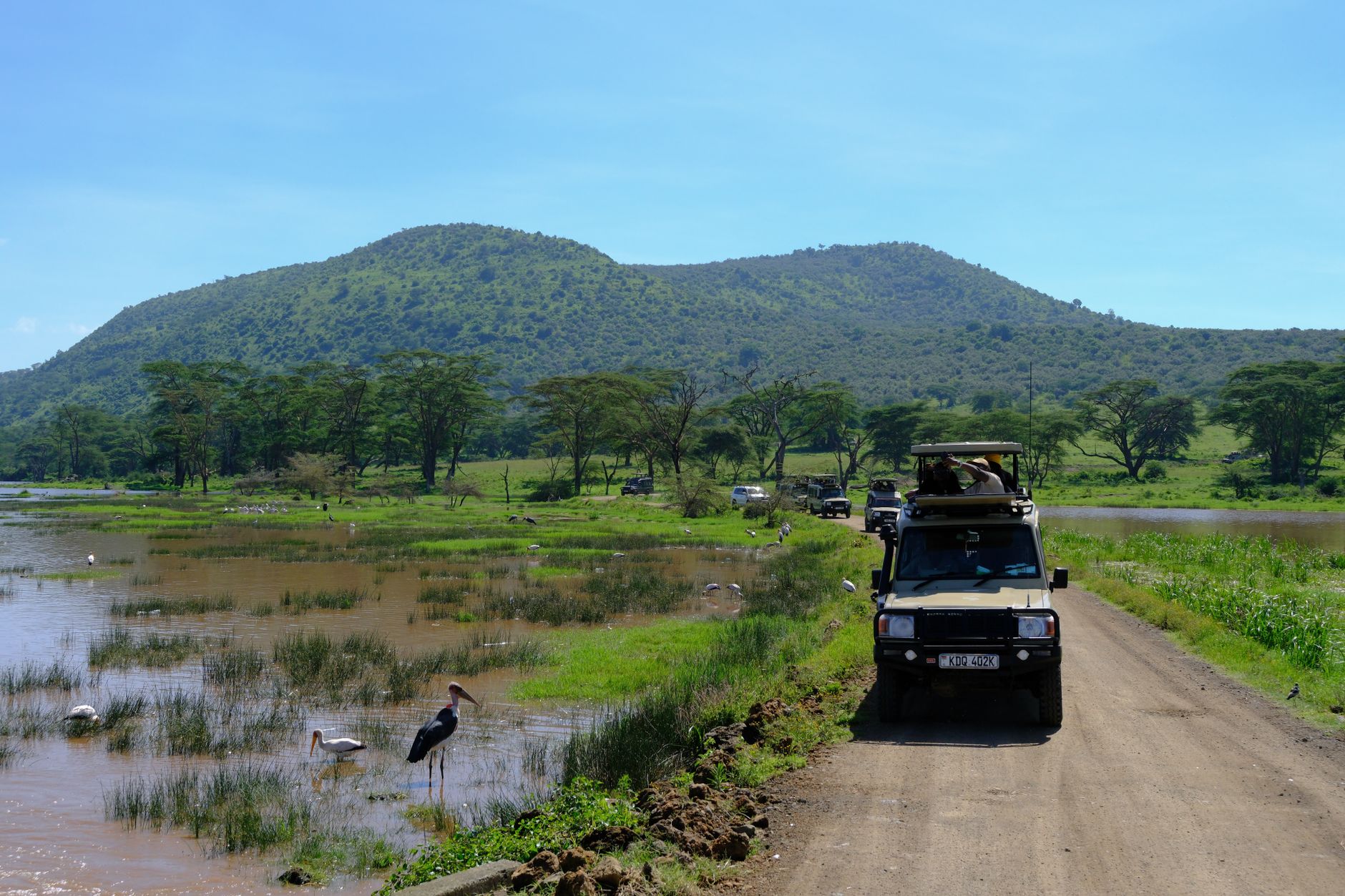
Wildlife tourism remains one of Africa’s strongest draws, but not all safaris are equal. A focused argument in favor of classic parks like the Maasai Mara, Serengeti and Kruger is their reliably high density of megafauna and structured conservation systems. Conversely, lesser-known conservancies offer intimacy and innovation, often providing better photographic opportunities and stronger community partnerships. Seasonality is a decisive factor: the Great Migration’s timing dictates where to go if witnessing massive river crossings is your objective, while dry-season game-viewing is superior for general predator sightings.
Choosing the right safari requires aligning species expectations, photographic needs and conservation ethics. To structure that choice, compare destinations across practical variables: accessibility, peak viewing season and signature species. The table below distills that comparison for five representative safari countries; use it to argue for or against a given itinerary based on your priorities.
| Country | Best time | Signature wildlife | Accessibility |
|---|---|---|---|
| Kenya | June – October (Great Migration) | Big cats, wildebeest crossings | Good roads, many lodges, international flights |
| Tanzania | June – October (north), Jan – Mar (south) | Serengeti migration, Selous’ wild expanses | Regional flights; remote camps |
| South Africa | May – September (dry) | Big Five, mixed ecosystems | Excellent infrastructure, self-drive options |
| Botswana | May – Oct (Okavango dry) | High predator densities, elephants | Fly-in camps; higher cost, low-impact tourism |
| Namibia | May – Oct (dry) | Desert-adapted species, unique landscapes | Self-drive friendly, remote distances |
For travelers on a budget or those aiming to combine cultural visits with wildlife, African Budget Safaris outlines practical itineraries and country-level recommendations. See African Budget Safaris’ guidance for cost-conscious planning. That same source highlights the importance of choosing operators who contribute to conservation efforts rather than exploit them.
Coastlines, islands and beach escapes
Africa’s coasts are often underrated relative to its interior attractions, yet its islands and shorelines offer compelling alternatives: coral-fringed atolls, dramatic cliff-lined bays and surf-breaks that attract global enthusiasts. The Indian Ocean islands – Seychelles, Mauritius and Zanzibar – provide luxury and biodiversity, while West Africa’s Atlantic coast hides golden stretches and vibrant seafood cultures. Guide lists on All Africa Travel, Trip101 and Touropia consistently recommend these regions for different traveler profiles.
Beach travel in Africa can be as cheap and grassroots as a surf camp or as lavish as a private-island resort; the choice reflects your priorities more than geography. For travelers seeking privacy and spectacle, the trend toward ultra-luxury – sometimes pushing legal or logistical boundaries – is notable. An emblematic example is the conversion of superyachts into niche bases for high-end expeditions, described in reporting on the intersection of wealth and access. Read more about how extreme luxury shapes access and policy at this AfricaTimes feature.
Practical considerations matter: island resorts may require multiple flights and expensive transfers; environmental regulations can restrict activities in marine protected areas; and peak-season prices spike. Travelers who prioritize ecological integrity should verify resort policies on waste, coral protection and community engagement. For beach-focused itineraries that balance value and quality, consult curated rankings like TripAdvisor’s lists alongside niche guides for diving and surfing. Evaluating a beach destination means measuring nightly cost against environmental footprint and the kind of solitude or services you expect.
Cultural heritage and historic sites
Arguing for African cultural heritage as a travel priority requires recognizing the continent’s deep, often underappreciated historical complexity. From the monumental ruins of Great Zimbabwe to the rock-hewn churches of Lalibela and the pyramids of Egypt, heritage sites demand intentional itineraries and interpretive framing. Recent archaeological revelations – such as discoveries that challenge assumptions about the oldest ceremonial sites – force a re-evaluation of timelines and significance; coverage of such revelations is available at this AfricaTimes article.
Visits to heritage sites should be informed by critical engagement rather than passive sightseeing: ask who benefits, whose stories are told and what conservation pressures exist. African cultural heritage reporting emphasizes both triumphs and vulnerabilities; read broad perspectives at AfricaTimes cultural heritage coverage for examples of how preservation intersects with contemporary politics and economics. That context reframes travel as a political act: choosing which museums to visit or which operators to support has real-world implications for local stewardship.
Several regions pair heritage with immersive experiences: Ghana’s coastal forts connect to diaspora narratives; Morocco’s medinas juxtapose living traditions and modern stressors; Ethiopia offers continuous Christian and pre-Christian histories. But heritage travel also carries risks linked to instability and security. Travelers should remain informed through local advisories and reporting when planning visits. Responsible heritage tourism includes hiring local guides, privileging community-led museums and contributing to site maintenance funds when possible. Prioritizing depth over breadth yields richer insights and supports preservation efforts rather than commodifying fragile histories.
Adventure, luxury and practical considerations
Choosing between adventure and luxury in Africa often requires trading off authenticity for comfort or exclusivity for impact. Argumentatively, the best trips are those that reconcile personal ambition with ethical sourcing of services. For instance, high-end options – like private conservation-focused lodges or bespoke yacht charters – deliver unmatched access but can also concentrate resources away from broader community benefit. Detailed reporting on how ultra-luxury exploits regulatory gray areas highlights this tension; read about creative uses of superyachts and legal loopholes at AfricaTimes.
Practical considerations – visas, health, safety and timing – should govern ambitious plans as much as desire for novelty. The pandemic era underscored how global events reshape travel: Africa’s early encounter with COVID-19 and subsequent policy responses affected both mobility and health systems; see reporting on those dynamics at AfricaTimes on COVID-19 timing. Similarly, security incidents can alter risk profiles for specific regions; for example, coverage of Morocco’s security operations has informed traveler advisories and demonstrates why updated intelligence is essential before booking. See related reporting at AfricaTimes on Morocco security.
Operationally, choose operators who are transparent about pricing, community contributions and environmental policies. Use crowd-sourced validation such as TripAdvisor to cross-check expectations, but interrogate reviews for specifics about guides, safety and conservation commitments. If budget is a primary constraint, resources like African Budget Safaris and consolidated lists from All Africa Travel can help shape itineraries that balance aspiration with realism. Ultimately, strategic planning and critical selection of partners determine whether your trip amplifies positive outcomes or simply consumes local assets.
Why these African destinations deserve your next trip
When evaluating the list of top tourism destinations in Africa, the argument for visiting is straightforward: the continent combines unmatched biodiversity, profound cultural heritage, and dramatic landscapes in ways few regions can rival. Destinations such as the Serengeti and Masai Mara offer not just sightings but an immersive safari experience where the dynamics of predator and prey unfold in real time. Meanwhile, urban and historical centers like Cape Town, Marrakech, and the Pyramids of Giza present layered narratives of colonial history, indigenous resilience, and architectural achievement that enrich any trip beyond scenic photography.
Critics might argue that travel should prioritize convenience or familiarity, yet Africa’s variety undermines that claim: from the thunderous spray of Victoria Falls to the stark beauty of the Sahara, each destination delivers distinct adventure profiles – trekking, wildlife viewing, heritage tours, and coastal relaxation. This diversity means travelers can select experiences that fit comfort levels and interests while still accessing something singular and transformative. The continent’s ecosystems are not just attractions; they are active classrooms for understanding conservation and the economic impact of tourism.
A compelling reason to choose these destinations now is the growing emphasis on sustainable, community-centered tourism. Responsible travel can support local livelihoods, protect biodiversity, and preserve heritage. Arguably, visiting places like rural villages near national parks, or participating in community-run excursions in Morocco, yields a higher ethical return than many mainstream alternatives. Thoughtful choices amplify positive outcomes for both visitors and hosts.
Given the strong case for cultural immersion, ecological significance, and experiential variety, prioritizing travel to Africa’s standout destinations is not merely a leisure decision but a meaningful investment in personal growth and global stewardship. Choosing these sites deliberately supports conservation, fosters cross-cultural understanding, and delivers experiences that are difficult to replicate elsewhere.
Top tourism destinations to visit in Africa – FAQ
Q: What are the unmissable destinations in Africa and why should they top my travel list?
A: Because Africa combines unparalleled wildlife, diverse landscapes, rich cultural heritage and varied adventure experiences, you should prioritize destinations that deliver on those pillars – places like South Africa for scenery and city life, Kenya and Tanzania for classic safari, Morocco for cultural immersion, and island paradises like the Seychelles for pristine beaches.
Q: Why visit Morocco instead of other North African countries?
A: Morocco earns its place because it uniquely blends historic medinas, accessible desert experiences and vibrant cuisine, making it easy to argue that it delivers high cultural impact with efficient logistics – ideal for travelers who want depth without sacrificing comfort.
Q: What makes Egypt essential for history lovers?
A: Egypt is indispensable because it offers direct access to the world’s most iconic ancient monuments – the Pyramids, Luxor and the Nile – so if your priority is immersive historical context and monumental architecture, nothing on the continent rivals the concentration and significance found here.
Q: Is South Africa worth visiting for both nature and urban culture?
A: Yes – South Africa is compelling because it combines world-class wildlife reserves like the Kruger, dramatic coastal scenery around Cape Town, and vibrant urban culture, which argues for it as a single-destination solution for travelers seeking diverse experiences.
Q: Which destination offers the best classic safari experience?
A: Kenya and Tanzania remain the strongest arguments: the Maasai Mara and Serengeti deliver predictable, high-density wildlife sightings and the Great Migration, which is decisive for travelers who value reliability and spectacle in a safari.
Q: Why should I consider Namibia for a nature-focused trip?
A: You should because Namibia offers stark, otherworldly landscapes – Namib Desert, Sossusvlei dunes and wide-open spaces – that make a strong case for travelers who prioritize dramatic scenery, photography opportunities, and low-density, contemplative wilderness.
Q: What sets Madagascar apart from other biodiversity hotspots?
A: Madagascar argues its uniqueness through endemic wildlife (lemurs, baobabs and unique flora) and ecosystems found nowhere else, making it the top pick for travelers focused on biological diversity and species you cannot encounter on continental safaris.
Q: Are the Seychelles and Mauritius just beach resorts, or is there more to them?
A: While often marketed for beaches, both islands also make a persuasive case for marine biodiversity, elegant resort experiences, and sophisticated island culture – meaning they’re meaningful choices for travelers seeking relaxation combined with high-quality nature and hospitality.
Q: Why is Rwanda frequently recommended for gorilla trekking?
A: Rwanda offers rigorous conservation, predictable access to habituated mountain gorillas in Volcanoes National Park, and a safe, well-managed experience – this combination makes a strong argument for choosing Rwanda when seeing gorillas is a travel priority.
Q: How does Botswana compare for luxury ecotourism?
A: Botswana justifies premium pricing through low-impact, high-quality ecotourism in the Okavango Delta, where exclusivity and conservation-focused lodges offer superior wildlife encounters and sustainability credentials that matter to conscientious travelers.
Q: Is visiting Victoria Falls worth it for adventurers?
A: Definitely – Victoria Falls is a compelling destination because the sheer scale of the falls creates powerful visual and adrenaline experiences (white-water rafting, bungee), making a convincing case for anyone seeking both natural wonder and adventure activities.
Q: What does Ethiopia offer that other African destinations do not?
A: Ethiopia presents an unmatched argument for cultural and historical depth with ancient rock-hewn churches like Lalibela, unique highland landscapes and distinct culinary traditions, providing travelers with an experience of continuity and historical significance that many other destinations can’t match.