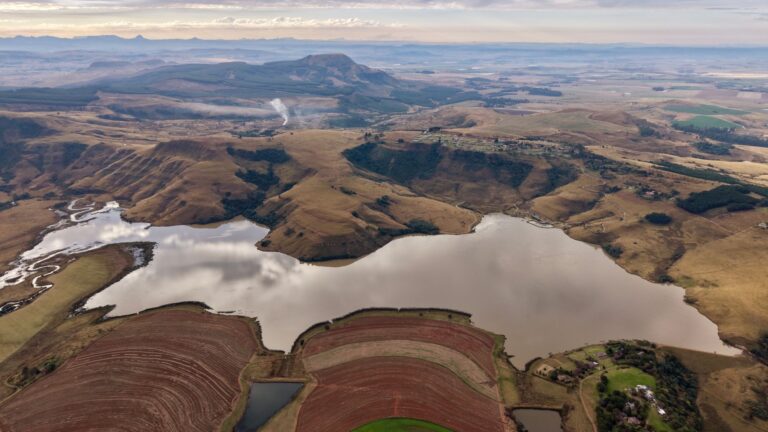



Discover the rich cultural heritage of Africa
 By
Nomvula Dlamini
By
Nomvula Dlamini
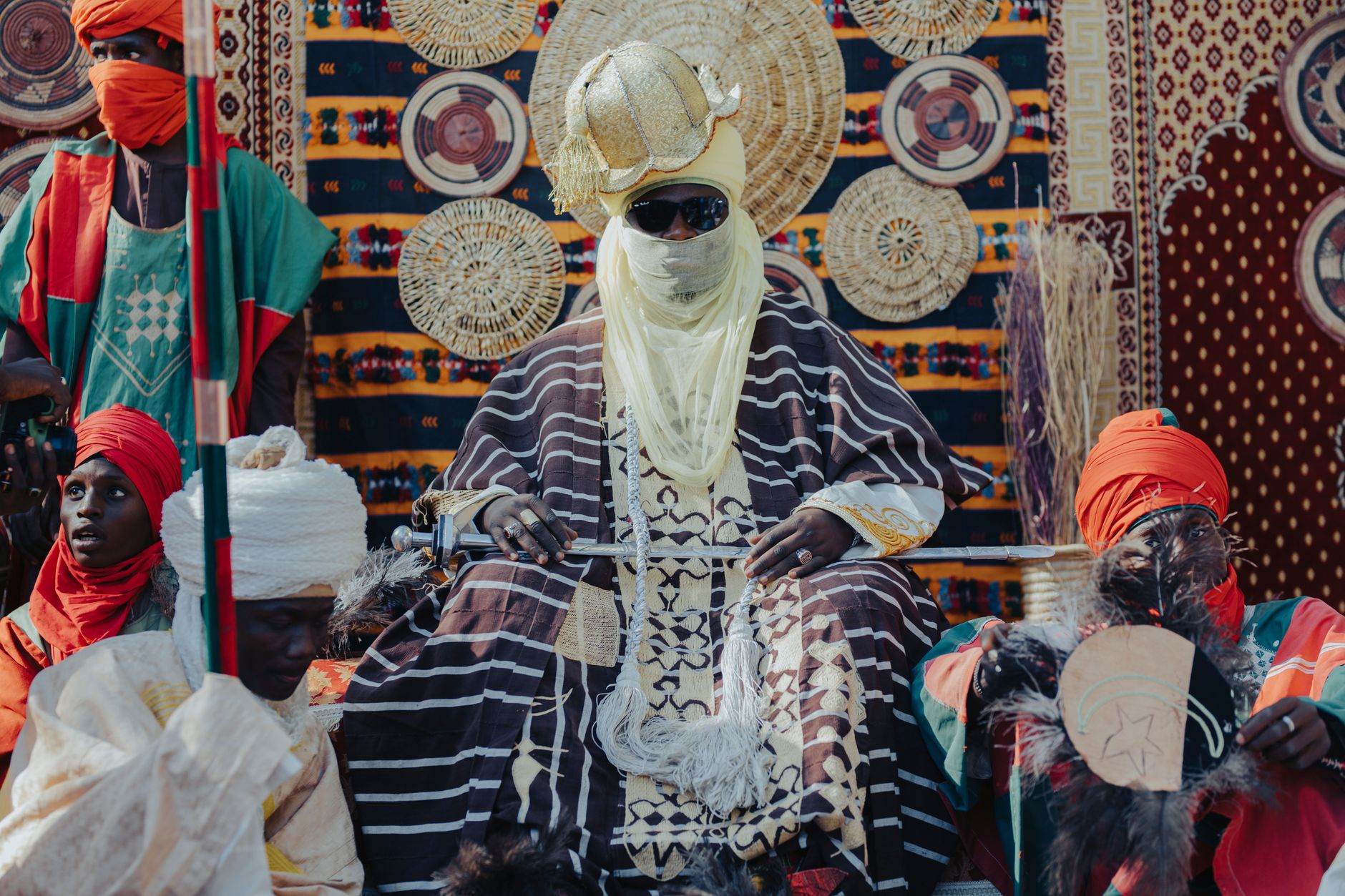
|
IN A NUTSHELL |
|
A compelling journey through Africa reveals a continent whose cultural heritage and natural wonders are both extraordinary and underappreciated. From rock-hewn churches and fortified cities to vast conservation areas and fossil-rich gorges, the continent’s UNESCO World Heritage Sites serve as living archives of human history and ecological diversity. Yet these places face mounting pressure: climate change, development and tourism-related impacts threaten irreplaceable monuments and habitats even as local communities increasingly lead preservation efforts. Evidence suggests that when conservation is anchored in local stewardship, sites thrive economically as well as culturally – cultural tourism can represent a substantial share of local revenue, while community-based preservation delivers jobs and skills. The argument is clear: protecting these landscapes and monuments is not only a matter of historical respect but of practical investment in livelihoods and biodiversity. As debate intensifies over funding and priorities, the stakes extend beyond borders – Africa’s heritage is a global inheritance whose survival depends on urgent, coordinated action that balances access, sustainability and long-term stewardship.
Preserving Africa’s unique world heritage requires urgent, focused action
African heritage is often framed as a series of destinations to visit, but that framing understates the continent’s global significance. The sites protected under the UNESCO World Heritage framework are not merely tourist attractions; they are irreplaceable records of human development, biodiversity, and cultural innovation. Granting and maintaining World Heritage status mobilizes international attention, funding, and technical expertise that are essential to long-term preservation. The UNESCO regional portal provides critical context for how cultural policy and international collaboration work across the continent: UNESCO Africa culture.
Arguments for prioritizing heritage conservation must be economic and ethical. Heritage drives local economies through cultural tourism, with community receipts often representing a substantial share of small-town revenues. Yet preservation cannot rely on tourism alone; environmental threats and underfunded protective measures require systematic intervention. The African World Heritage Fund and civil society organizations show that targeted investments return social and economic value, turning heritage into living assets instead of relics at risk of decay.
Protecting heritage sites is a practical investment in resilience and identity. Policy makers must treat site conservation as infrastructure: allocate long-term budgets, integrate sites into climate adaptation plans and support local capacity-building. Effective preservation requires partnerships between governments, NGOs, researchers, and the private sector. Recent reporting on how communities around major sites manage sustainable harvesting and livelihoods illustrates workable models and points to scalable best practices that deserve expansion across the continent.
Cultural landmarks and archaeological wonders shape our understanding of human history
Africa’s cultural sites are foundational to global history. From monumental stone cities to complex urban trading ports, these places provide the primary evidence scholars use to reconstruct political systems, belief structures and trade networks. The discoveries reported in sites like the Cape Coast region rewrite timelines and force us to reassess long-held assumptions about migration and human occupation; see the reporting on a startling ancient human find here: Cape Coast discovery. These finds are not curiosities; they recalibrate the narrative of human origins and deserve high-level protection and scholarly investment.
Archaeological evidence from places such as Olduvai Gorge, the Sterkfontein valley and the Lomekwi finds in Kenya has repeatedly pushed back timelines and challenged orthodoxies. The Lomekwi tools are an example of how each excavation can transform our understanding of technological development: ancient tools in Kenya. The architectural sophistication of Great Zimbabwe and the rock-hewn churches of Lalibela demonstrate distinct technological and spiritual achievements that rival early complex societies elsewhere.
Cultural heritage must be defended as a research resource and a community asset. Archaeological study provides jobs, education and a sense of ownership for local populations, but only when excavation and interpretation are governed ethically and inclusively. For practitioners and policymakers, the imperative is clear: allocate resources to protect sites from looting, erosion and insensitive development, and ensure that the benefits of study and tourism remain with host communities rather than being exported.
Natural landscapes: biodiversity, geology and the economics of conservation
Africa’s natural World Heritage Sites present a compelling case that preservation is both an ecological necessity and an economic opportunity. Sites such as the Okavango Delta, Ngorongoro Conservation Area and Bwindi Impenetrable Forest are not just spectacular landscapes; they are functioning ecosystems supporting vast numbers of species and livelihoods. Protecting these areas safeguards biodiversity, water security, and the basis for sustainable tourism that generates local income.
Arguing for increased conservation financing becomes straightforward when the ecological returns are quantified. The Ngorongoro region, with its dense wildlife concentrations, provides ecosystem services and tourism revenues that ripple into surrounding communities. Bwindi’s role as a sanctuary for mountain gorillas is simultaneously a conservation priority and a tourism anchor that funds park management and local enterprise.
| Conservation area | Key feature | Representative biodiversity |
|---|---|---|
| Okavango Delta | Seasonal inland delta, complex floodplain | Attracts hundreds of thousands of large mammals during seasonal floods |
| Ngorongoro | Intact volcanic crater ecosystem | Home to tens of thousands of large animals in a single landscape |
| Bwindi Impenetrable Forest | Montane forest, gorilla habitat | Supports approximately 350 mountain gorillas and diverse flora |
Investment in these landscapes is not optional if we value global biodiversity. Conservation opens pathways for research, climate mitigation and tourism income, and it supports local food systems by maintaining watersheds and soils. Policy debates should prioritize integrated conservation strategies that link ecosystem protection with economic development, recognizing that healthy landscapes are a long-term public good.
Community-based conservation and the economics of cultural tourism
There is a persuasive economic argument for involving local communities in site management: shared stewardship yields better outcomes for preservation and livelihoods. When communities retain meaningful control over site benefits, conservation becomes sustainable rather than extractive. Data show that cultural tourism contributes a significant portion of local business revenues, and when those revenues are steered to local stakeholders, they reinforce incentives to protect heritage. Travel resources that foreground cultural diversity highlight how engagement with local cultures enhances visitor experience while spreading economic value: Exploring African cultures.
Programs that prioritize training, eco-enterprise, and participatory governance reduce illicit trade in artifacts, curb destructive land use, and build resilience against external shocks. Conservation models that combine heritage interpretation, craft industries and guided cultural experiences create year-round income streams rather than seasonal dependence. Organizations cataloging and guiding UNESCO sites in Africa provide practical toolkits and best-practice case studies: Guide to Africa’s UNESCO sites.
Argumentatively, the best pathway to long-term preservation is co-management. Policy prescriptions should include revenue-sharing mechanisms, local hiring quotas, and reinvestment of tourism fees into education and conservation. When local people see direct, tangible benefits, they become active custodians rather than passive recipients. The argument is simple and evidence-based: sustainable heritage economies arise where communities have ownership and where tourists make ethical choices that prioritize local benefit and environmental stewardship.
Threats, technology and strategies for resilient preservation
Africa’s heritage faces converging threats: climate change, urban expansion, resource extraction and insufficient funding. Those threats are not abstract; they translate into accelerated erosion of archaeological strata, shifting wildlife patterns and increasing pressure on fragile landscapes. Recognizing the scale and specificity of the risk must shape strategy – reactive protection is insufficient. Technology and international cooperation are essential components of a modern conservation toolkit.
Remote sensing, mobile monitoring, and data-driven management can detect early signs of degradation and illegal activity, enabling rapid response. African innovations in agri-tech and youth engagement show how modern tools can support resilient communities adjacent to heritage areas: tech-driven agriculture. Cross-border scientific collaboration and funding pledges – from diverse international actors – make large-scale initiatives possible; global health and development partnerships illustrate how broad commitments can be marshaled quickly when prioritized: example of large-scale pledge.
Practical preservation requires a multi-layered strategy: technological monitoring, climate resilience planning, legal protection, and diversified funding. Policymakers must create contingency funds, support local stewardship, and leverage international expertise. Scholarly attention and responsible tourism must be coupled to ethical frameworks that prevent exploitation. Wider public engagement – through museums, digital platforms and cultural festivals – can sustain interest and political will; recent articles and guides on Africa’s heritage underscore the need to elevate public knowledge and civic support: Discover the rich heritage of Africa and The rich culture and heritage of Africa.
Final Reflections on Africa’s Cultural Heritage
Africa’s cultural heritage is not an optional luxury; it is a fundamental repository of human history and identity. Although the continent represents a relatively small share of global UNESCO listings, it contains a disproportionately rich tapestry of UNESCO World Heritage Sites that span ancient cities, sacred landscapes, and unique ecosystems. These places are living archives – evidence of human ingenuity, artistic expression, and ecological diversity – and they demand deliberate protection and sustained investment.
The case for preservation is both moral and practical. When communities lead conservation efforts, the impact extends beyond monuments: local economies benefit, traditional knowledge is sustained, and jobs in management and tourism are created. Community-based programs already support a majority of conservation projects, and cultural tourism can contribute as much as two fifths of local business revenues in some regions. This demonstrates that safeguarding heritage is not simply a cultural duty but an economic strategy that strengthens resilience and cultural continuity.
Yet the threats are real and accelerating. A large portion of the world’s endangered heritage is concentrated in Africa, exposed to pressures from climate change, development, and resource extraction. The preservation challenge therefore requires a strategic, multifaceted response: deploy advanced monitoring technologies, design climate-resilient management plans, and build robust international funding mechanisms while centering local stakeholders. Only by combining global support with grassroots stewardship can these sites be protected from irreversible loss.
Accountability falls on multiple actors: policymakers must embed heritage in development planning; donors must prioritize long-term capacity building; and travelers must embrace sustainable tourism practices that respect local customs and ecosystems. Supporting community-led conservation, choosing eco-sensitive travel options, and advocating for resilient policies are concrete ways to ensure Africa’s cultural legacy remains a living resource. Protecting this heritage is not merely preservation of the past – it is an active investment in a pluralistic, informed, and equitable future.
Q: What makes Africa’s cultural heritage so important? A: Africa’s heritage sites combine unique cultural achievements and spectacular natural landscapes; they are living records of human history and biodiversity that demand protection because they reveal the origins, innovations, and resilience of entire civilizations. Q: Why does UNESCO World Heritage status matter for sites in Africa? A: The World Heritage label focuses international attention and resources on places with exceptional value, creating frameworks for conservation, sustainable management, and accountability – all essential if historic and ecological sites are to survive modern pressures. Q: How do heritage sites benefit local communities? A: Heritage sites generate jobs, protect traditional knowledge, and drive local income – cultural tourism can account for a substantial share of local revenues (as much as around 40% in some areas) – so preserving sites is also an economic strategy, not only an ethical one. Q: What are the main threats to these sites? A: The twin forces of climate change and unsustainable human activity – including poorly managed tourism, development, and resource extraction – are acute threats; a disproportionate number of endangered World Heritage locations are found in Africa, which makes urgent action necessary. Q: How effective are community-based preservation programs? A: Very effective when properly supported: many African sites now rely on community-based preservation models that combine local stewardship with economic incentives, and roughly the majority of active conservation initiatives involve communities as primary partners. Q: Which African sites should travelers prioritize to understand the continent’s heritage? A: Prioritize a mix of cultural and natural icons – examples include the rock-hewn churches of Lalibela, the archaeological landscapes like Olduvai Gorge, the ancient city of Great Zimbabwe, and natural treasures such as the Okavango Delta, Ngorongoro and Bwindi – each offers different but complementary insights into history, culture, and biodiversity. Q: What role do museums and cultural institutions play? A: Museums and cultural centers preserve artefacts, provide interpretation, and foster contemporary artistic dialogue; they translate heritage into accessible narratives, educate visitors, and strengthen claims for long-term conservation funding. Q: How are archaeological discoveries in Africa changing our understanding of human history? A: New finds – ancient tools, hominid fossils, and urban ruins – continue to push back timelines and reshape narratives about human origins and technological innovation, proving that Africa is central to the global story of human development. Q: Can tourism be part of the solution rather than the problem? A: Yes – if it is sustainable. Responsible tourism that respects local rules, supports community projects, and minimizes ecological impact becomes a funding mechanism for conservation and a way to ensure that local people benefit directly from heritage protection. Q: What practical steps are needed to secure Africa’s heritage for the future? A: Combine improved monitoring technology, climate-resilient management plans, stronger international funding mechanisms, and expanded community engagement; these measures together will make conservation scalable and equitable across the continent’s diverse sites.Frequently Asked Questions – Discover the rich cultural heritage of Africa