


“He Turned Two Superyachts Into a Ski Base”: Mark Zuckerberg’s $330 Million Norwegian Adventure Blends Extreme Luxury With Legal Loopholes
 By
Joseph Mwangi
By
Joseph Mwangi
| IN A NUTSHELL |
|
Mark Zuckerberg’s recent expedition to Norway’s fjords has captured the attention of many, not just for its luxurious nature, but for the broader implications it holds. Embarking on a 5,280-mile journey using two superyachts equipped for heliskiing, the Meta CEO defied Norway’s stringent helicopter landing regulations. This venture raises critical questions about the intersection of luxury, adventure, and environmental ethics. While it offers a glimpse into the lifestyle of the ultra-wealthy, it also prompts a closer examination of the responsibilities that come with such privilege. As we delve into this opulent journey, several key themes emerge, urging reflection on sustainability and ethical considerations.
A $330 Million Logistical Luxury
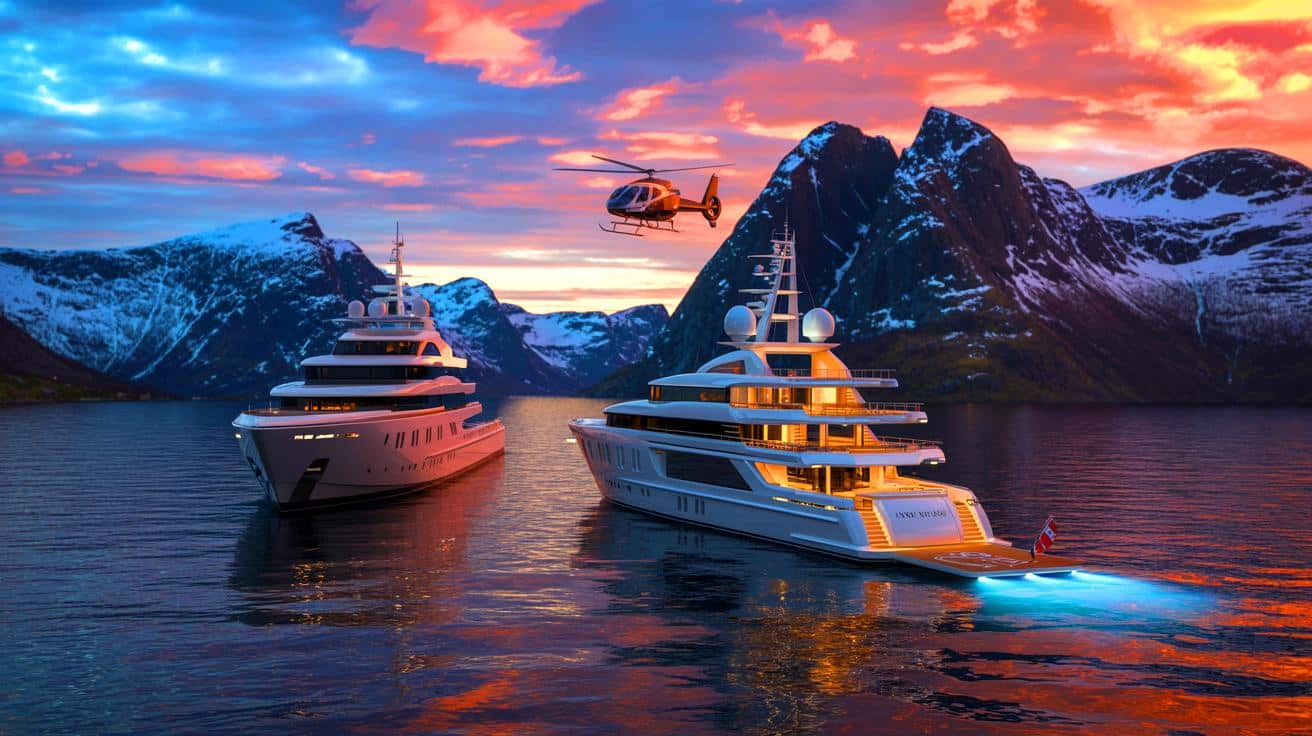
The centerpiece of Mark Zuckerberg’s recent escapade to Norway’s fjords is a pair of superyachts, the Launchpad and the Wingman. The Launchpad, a 387-foot luxury yacht valued at $300 million, paired with the $30 million Wingman, forms a formidable duo. These vessels set sail from the United States, traversing the North Atlantic to reach the icy Norwegian shores. Their mission was not merely a voyage but a logistical masterpiece, serving as a floating base for Zuckerberg’s family during their high-end heliskiing adventure.
Norway, known for its strict environmental regulations, poses significant challenges for helicopter landings related to tourism. Zuckerberg, however, cleverly navigated these rules. By utilizing the helipad on the Wingman, he circumvented the need for permits that would be necessary if the helicopter had landed on Norwegian soil. This maneuver allowed for an uninterrupted heliskiing experience, avoiding legal hurdles while maintaining the thrill of the adventure.
Between Extreme Sport and Ultra-Luxury
Heliskiing stands as a sport reserved for the elite, offering the opportunity to ski down untouched slopes, inaccessible by conventional means. Mark Zuckerberg, renowned for his adventurous spirit, indulged in this unique experience amidst the remote Norwegian peaks. His penchant for adventure is well-documented, with previous pursuits including martial arts and surfing. This latest escapade adds a new chapter to his book of high-stakes adventures.
In 2024, Zuckerberg had already demonstrated his affinity for opulence by dispatching the Launchpad to Tahiti for a luxurious cruise, without even stepping onboard. His fleet remains ever-ready, poised to cater to his desires at a moment’s notice. The latest maritime data indicates that the Launchpad is currently stationed in Longyearbyen, within the Svalbard archipelago, one of the northernmost inhabited places on Earth. Such readiness underscores the seamless integration of luxury and adventure in Zuckerberg’s lifestyle.
Logistical Mastery or Legal Loophole?
This remarkable journey raises as many questions as it does admiration. Is it a testament to logistical brilliance, unabashed luxury, or a clever use of legal loopholes? By covering over 5,280 miles, Zuckerberg demonstrates his ability to orchestrate a complex operation while navigating the edges of regulatory frameworks. This adventure showcases how high-profile individuals can leverage resources to forge their own paths, both literally and metaphorically.
Whether it’s the audacity of transporting luxury yachts across the ocean or the thrill of skiing untouched mountains, Zuckerberg’s journey highlights a unique intersection of wealth, adventure, and legal navigation that few can emulate. His escapade reveals not only the capabilities of the ultra-wealthy but also the nuances of operating within, yet outside, the confines of conventional regulations.
The Broader Implications of Such Adventures
While this high-profile journey showcases the possibilities available to the ultra-wealthy, it also prompts broader discussions about the ethical and environmental implications of such exploits. The massive expenditure and environmental footprint of transporting superyachts across oceans raise questions about sustainability and responsibility.
Moreover, the juxtaposition of extreme luxury against the backdrop of global economic disparities invites reflection on the societal impacts of wealth concentration. As we marvel at the logistics and legal maneuvering, we must also consider the broader implications for both environmental stewardship and social equity. In the grand scheme of things, Mark Zuckerberg’s Norwegian adventure is a testament to the lengths some will go for unique experiences. But it also challenges us to think about the balance between indulgence and responsibility.
Zuckerberg’s recent undertaking in Norway serves as a striking example of the intersection between wealth, adventure, and environmental impact. While such pursuits may captivate the imagination, they also demand a deeper consideration of the broader implications for sustainability and social responsibility. As the world grapples with pressing environmental challenges and economic disparities, how do we reconcile the allure of luxury adventures with the urgent need for sustainable practices and equitable resource distribution?