

This Ancient Catastrophe Reveals Hidden Secrets That Could Completely Shatter Everything You Thought You Knew About Nature
 By
Joseph Mwangi
By
Joseph Mwangi
| IN A NUTSHELL |
|
The Red Sea, a body of water known for its rich history and ecological significance, hides a dramatic past that continues to captivate scientists worldwide. Recent research from the King Abdullah University of Science and Technology (KAUST) has unearthed evidence of a catastrophic event that occurred 6.2 million years ago. This discovery offers new insights into the environmental forces that have shaped this unique marine ecosystem. Advanced techniques, including seismic imaging and geochemical analysis, have allowed researchers to reconstruct the Red Sea’s tumultuous history, revealing a sequence of events that transformed the region and continue to influence its ecological dynamics today.
The Birth of the Red Sea: An Ancient Rift
The origins of the Red Sea trace back approximately 30 million years, when the Arabian Plate began to separate from the African Plate. This tectonic rift initiated the formation of what we now recognize as the Red Sea. Initially, the area was a narrow valley that gradually filled with lakes. As time passed, these lakes expanded into a larger gulf, influenced by the flooding from the Mediterranean Sea about 23 million years ago. This geological transformation created an environment rich in marine biodiversity, fostering vibrant reefs and diverse marine life.
For millions of years, the Red Sea served as a critical link between the Mediterranean and the Indian Ocean. This connection allowed for the movement of marine species and had a significant impact on local climate patterns. Fossilized coral reefs along the Saudi Arabian coast provide evidence of this period of abundant marine life. These ancient reefs stand as a testament to the thriving ecosystem that once existed in the region, offering valuable insights into the historical biodiversity of the Red Sea.
This Shocking Discovery Reveals Earth’s Secret Plan To Split Africa And Change Our World Forever
A Sudden Shift: The Messinian Salinity Crisis
Approximately 16 million years ago, the Red Sea experienced a dramatic environmental shift. The natural flow of water through the sea was disrupted, leading to significant changes in the basin’s conditions. A combination of intense evaporation and poor water circulation resulted in increasing salinity levels, culminating in a major environmental crisis. This event, known as the Messinian Salinity Crisis, had a devastating effect on marine life, transforming the Red Sea into a hypersaline body of water.
The severity of the crisis led to the near-total desiccation of the Red Sea, marking a unique chapter in Earth’s climatic history. The drastic reduction in water levels and the increase in salinity rendered the sea inhospitable to most marine species. Recent studies suggest that this was one of the most extreme environmental changes ever recorded on Earth. The impact of the Messinian Salinity Crisis extended beyond the Red Sea, affecting other bodies of water in the region, including the Mediterranean Sea.
The Catastrophic Megaflood: Refilling the Red Sea
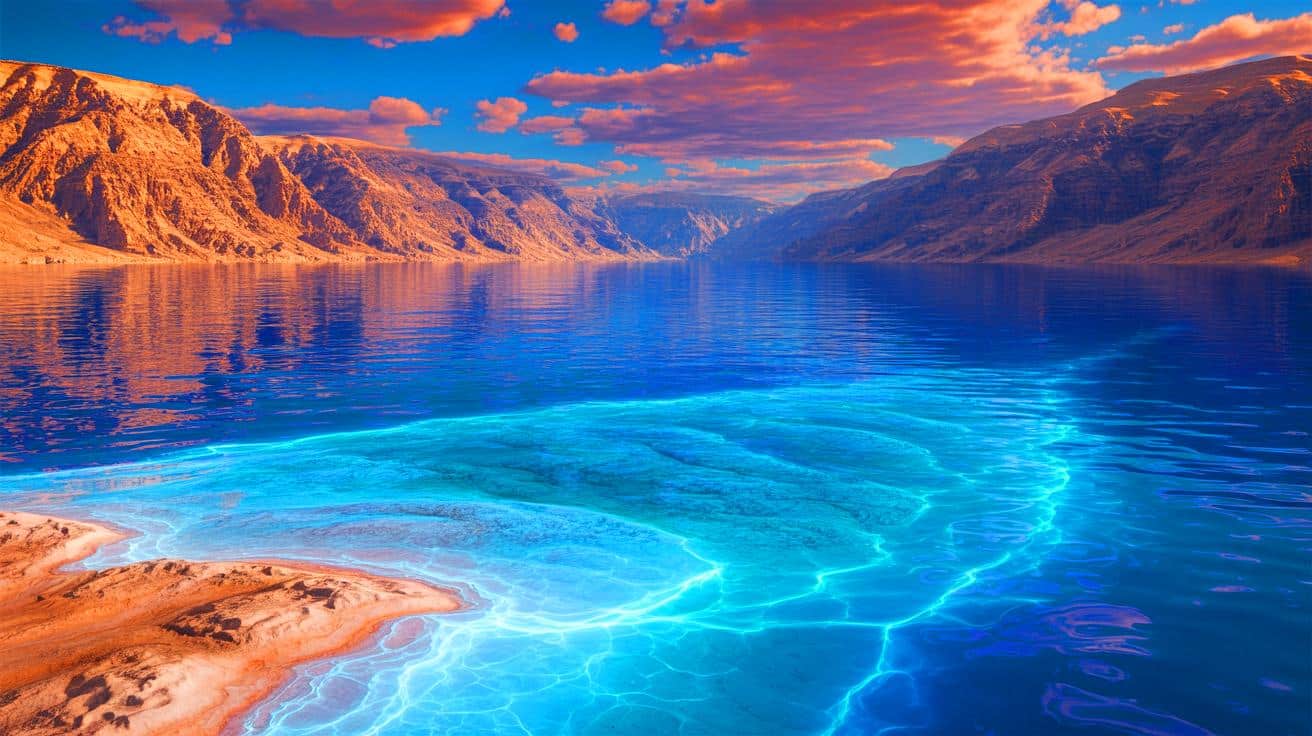
Around 6.2 million years ago, the Red Sea underwent another dramatic transformation. A sudden and catastrophic flood from the Indian Ocean breached the basin, refilling it with seawater and restoring its marine conditions. This megaflood, akin to a global-scale disaster, rapidly revitalized the Red Sea, allowing it to reestablish its important connection with the Indian Ocean.
“Our findings show that the Red Sea basin records one of the most extreme environmental events on Earth, when it dried out completely and was then suddenly reflooded about 6.2 million years ago.” – Dr. Tihana Pensa, lead author of the study
The refilling of the Red Sea was not merely a dramatic event; it was a transformative force that shaped the region’s current geography and ecosystem. The rapid influx of water reintroduced marine life and set the stage for the ecological richness that characterizes the Red Sea today. This event underscores the dynamic nature of Earth’s environmental systems and their ability to recover from extreme changes.
The Lasting Impact of the Flood
The aftermath of the megaflood had profound and lasting effects on the Red Sea’s ecosystem. The reintroduction of water from the Indian Ocean not only revitalized the basin but also facilitated the exchange of marine species. This exchange contributed to the formation of a unique marine ecosystem, characterized by its rich biodiversity and complex ecological interactions.
The KAUST study highlights the significance of this event in restoring the marine conditions necessary for life to thrive. The connection between the Red Sea and the Indian Ocean, established through the Bab el-Mandeb Strait, remains vital for the region’s marine biodiversity. The flood’s impact extends beyond ecological restoration, influencing the Red Sea’s current status as an ecological hotspot and a critical area for marine research.
Red Sea Today: Vulnerabilities in the Face of Climate Change
Despite the Red Sea’s resilience in overcoming ancient environmental upheavals, modern challenges threaten its ecological balance. Rising temperatures and climate change pose significant risks to the region’s coral reefs, which are essential to its biodiversity. The unique marine life of the Red Sea, a product of millions of years of geological and climatic changes, now faces threats from the same forces that have historically shaped it.
Scientists are actively studying how the Red Sea’s ecosystems will respond to these rapid changes. As Dr. Pensa’s study indicates, while the Red Sea has endured extreme shifts before, the current pace of change may present unprecedented challenges. The resilience of this ecosystem is being tested, raising questions about its future in a changing climate. How will the Red Sea adapt to the accelerating environmental changes of the 21st century?