


Mysterious Giant Brown Ribbon Reveals Catastrophic Changes In Atlantic That Terrify Scientists And Threaten Global Disaster
 By
Nomvula Dlamini
By
Nomvula Dlamini
| IN A NUTSHELL |
|
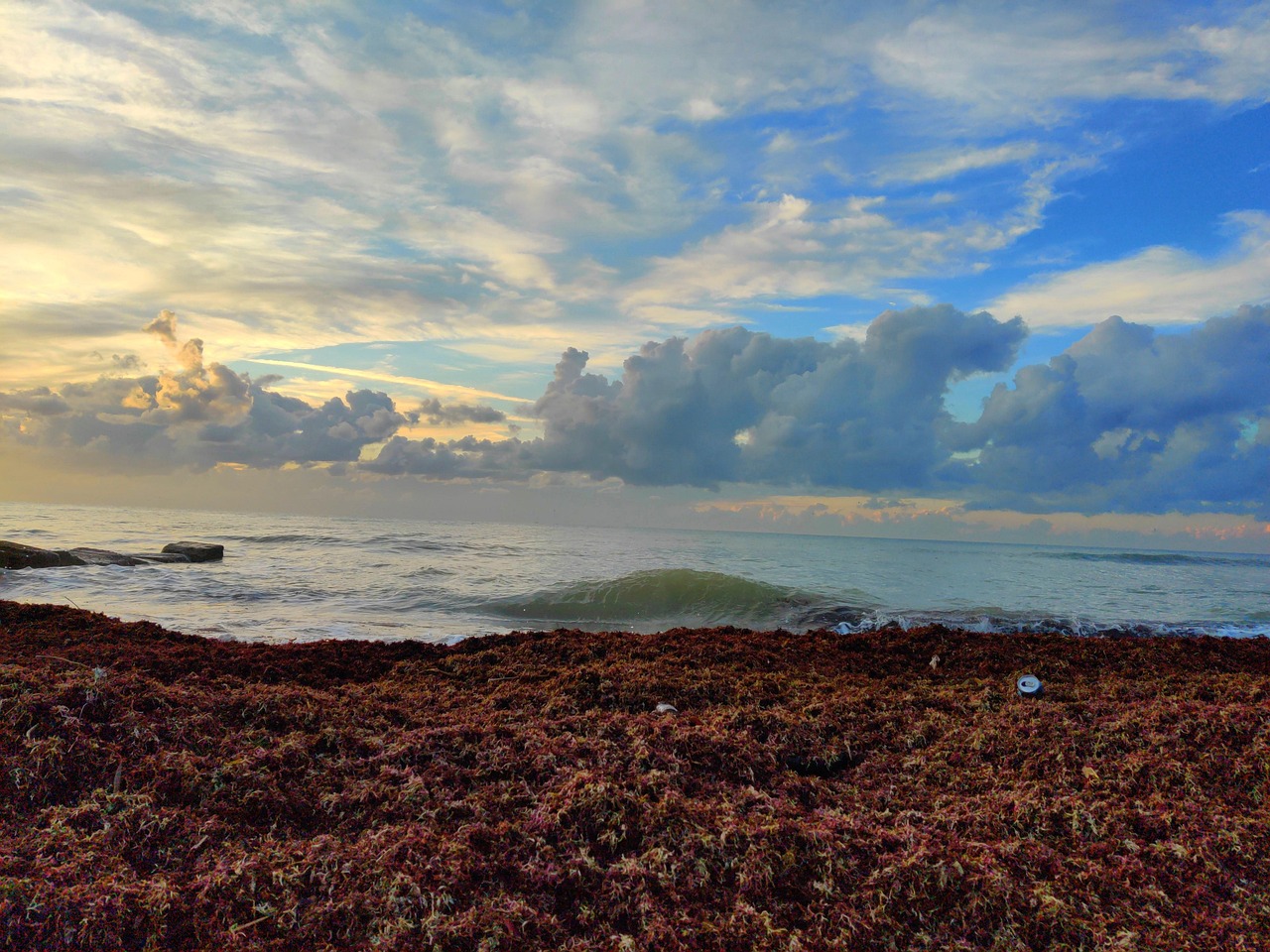
In recent years, the Atlantic Ocean has been the site of an unsettling environmental development: the emergence of the Great Atlantic Sargassum Belt (GASB). This massive formation of brown algae stretches from the West African coast to the Gulf of Mexico, spanning a distance of 5,500 miles. Once restricted to the Sargasso Sea, sargassum has proliferated, covering vast swathes of the ocean. Scientists from the Harbor Branch Oceanographic Institute have investigated this phenomenon, revealing that nutrient pollution from land is a significant factor driving the belt’s rapid expansion. This article explores the origins, impacts, and future implications of this sargassum surge.
The Rise of The Great Atlantic Sargassum Belt (GASB)
The Great Atlantic Sargassum Belt is a recent and significant shift in oceanic ecosystems. Satellite data from May 2025 showed an alarming 37.5 million tonnes of sargassum algae spread across the Atlantic Ocean. This sprawling belt, which measures over 5,500 miles in length, is more than twice the width of the continental United States. The phenomenon began with a noticeable bloom in 2011 and has grown steadily since then, far exceeding its initial boundaries in the Sargasso Sea. Historically, sargassum was a localized feature of the nutrient-poor waters of the Sargasso Sea. However, its proliferation is now altering the Atlantic’s ecological landscape. Scientists have identified increased nutrient pollution from land as a primary driver of this growth.
Nutrient enrichment from human activities is a critical factor. Industrial waste and agricultural runoff have introduced significant amounts of nutrients into the ocean, providing ideal conditions for sargassum growth. The Amazon River, particularly during flood seasons, contributes to this nutrient influx, sending phosphorus and nitrogen into the Atlantic. This nutrient surge has been linked to the algae’s rapid expansion since 2011. During droughts, however, the decrease in nutrient flow slows the growth of sargassum, illustrating the complex interplay between climate patterns and algae spread.
Global Warming Reveals Chilling Truth: How It Could Plunge The Entire World Into A New Ice Age
Nutrient Pollution: The Silent Contributor to Explosive Algae Growth
Sargassum algae thrive in nutrient-rich waters, and the increase in nitrogen and phosphorus levels has accelerated their growth. Initially, these nutrients were thought to result primarily from ocean upwelling and deep-water mixing. However, recent studies indicate that human activities now play a more substantial role. Agricultural runoff, wastewater discharge, and airborne nutrients are all contributing to this growth. Between 1980 and 2020, the nitrogen content in sargassum tissues increased by 55%, a testament to human-induced nutrient enrichment.
The Amazon River is a major contributor to this nutrient load, particularly during flood periods when it delivers vast quantities of phosphorus and nitrogen into the Atlantic. This influx exacerbates the proliferation of sargassum, making it a year-round concern rather than a seasonal one. Conversely, during periods of drought, the growth rate of sargassum decreases, emphasizing the influence of climate and weather patterns on nutrient dynamics. The reliance on land-based nutrients is a troubling indicator of how human activity is altering oceanic health.
Ecological and Economic Impacts of Sargassum Blooms
While sargassum plays a vital role in marine ecosystems, its excessive growth poses significant ecological and economic challenges. The algae provide essential habitat and food for over 100 marine species, including fish, invertebrates, and sea turtles. In the Sargasso Sea, this environment supports a unique ecosystem. However, when sargassum accumulates in large quantities, it can become detrimental. Large mats washing ashore decompose, releasing hydrogen sulfide – a toxic gas with a distinct rotten-egg odor. This creates hazardous conditions for marine life and humans alike, while also damaging coastal environments.
Moreover, the decomposition of sargassum is a significant source of methane and other greenhouse gases, contributing to concerns about climate change. As these algae blooms disrupt the carbon cycle in the ocean, they may have broader implications for global climate dynamics. The need to address the underlying causes of these blooms is urgent, given their potential to alter marine ecosystems and contribute to climate change.
Sargassum’s Economic Toll on Coastal Communities
The economic ramifications of sargassum blooms are severe, particularly for coastal communities. The algae’s mass strandings on beaches disrupt tourism, fishing industries, and local economies. Once pristine beaches are now plagued by rotting algae, deterring tourists and impacting local businesses. Cleanup efforts are both costly and labor-intensive, often requiring heavy machinery to remove the algae from shorelines. In some instances, the blooms have led to infrastructure shutdowns.
For example, in 1991, sargassum accumulation along the Florida coast forced the temporary closure of a nuclear power plant. As the algae continue to spread, similar incidents are likely to increase, threatening local economies and essential infrastructure. The economic burden of these blooms underscores the need for comprehensive strategies to mitigate their impact and address the root causes of their growth.
The Role of Ocean Currents in the Spread of Sargassum
Ocean currents, including the Gulf Stream and the Loop Current, significantly influence the distribution of sargassum across the Atlantic. These currents transport large mats of algae from tropical regions near the West African coast to the Gulf of Mexico, where they form dense clusters known as “windrows.” These mats can stretch for miles, causing disruptions in the areas they reach.
The movement of sargassum along these currents is a natural phenomenon, but it is exacerbated by the increasing nutrient levels in the ocean. Scientists are closely monitoring these currents and their interactions with the algae to predict future bloom patterns. The current trajectory suggests that more regions could be affected, not only along the Atlantic coast but also in other parts of the world. This situation may serve as an early warning of broader oceanic changes, prompting a reevaluation of our impact on marine environments.
As the Great Atlantic Sargassum Belt continues to expand, it raises questions about the long-term health of our oceans and the role of human activity in shaping marine ecosystems. How will we address the challenges posed by this phenomenon, and what measures can be taken to mitigate its impact on both ecological and economic fronts?