


Otters Threatened as New Planning Rules Challenge Wildlife Protection, Sparking Concerns Over Rare Species Conservation
 By
Joseph Mwangi
By
Joseph Mwangi
| IN A NUTSHELL |
|
Conservationists are voicing growing concerns over the potential impact of the UK’s recent planning reforms on wildlife. These changes, aimed at expediting housing and infrastructure development, threaten to undermine protections for vulnerable species like otters, beavers, and dormice. The proposed system allows developers to pay a fee to offset environmental damage, but experts question its effectiveness. With habitat loss already a critical issue, this approach could exacerbate the situation, putting these species at greater risk. As the debate continues, the need for a balanced approach that safeguards wildlife while meeting development goals becomes increasingly urgent.
Understanding the Proposed Planning Reforms
The UK government’s new Planning and Infrastructure Bill introduces a “nature restoration levy.” This fee allows developers to bypass existing wildlife protection regulations by contributing to a broader environmental restoration fund. While the intent is to streamline development processes, critics argue that this system lacks a proven track record of success for protecting various species.
The approach has been tested with the great crested newt, showing some effectiveness. However, experts highlight that what works for one species may not work for others, such as otters or dormice, which require specific habitats. The lack of comprehensive evidence supporting the system’s efficacy for different species raises significant concerns.
Richard Benwell, CEO of Wildlife and Countryside Link, points out that the new system may not adequately protect wildlife. He emphasizes the need for site-specific data to ensure that existing conservation efforts are not undermined. The call for evidence-based decision-making is echoed by other conservationists, who warn of the potential for irreversible harm.
Impact on Vulnerable Species
The proposed planning reforms pose significant risks to certain species, including otters, beavers, and dormice. These animals rely on habitats that are difficult, if not impossible, to replicate or restore.
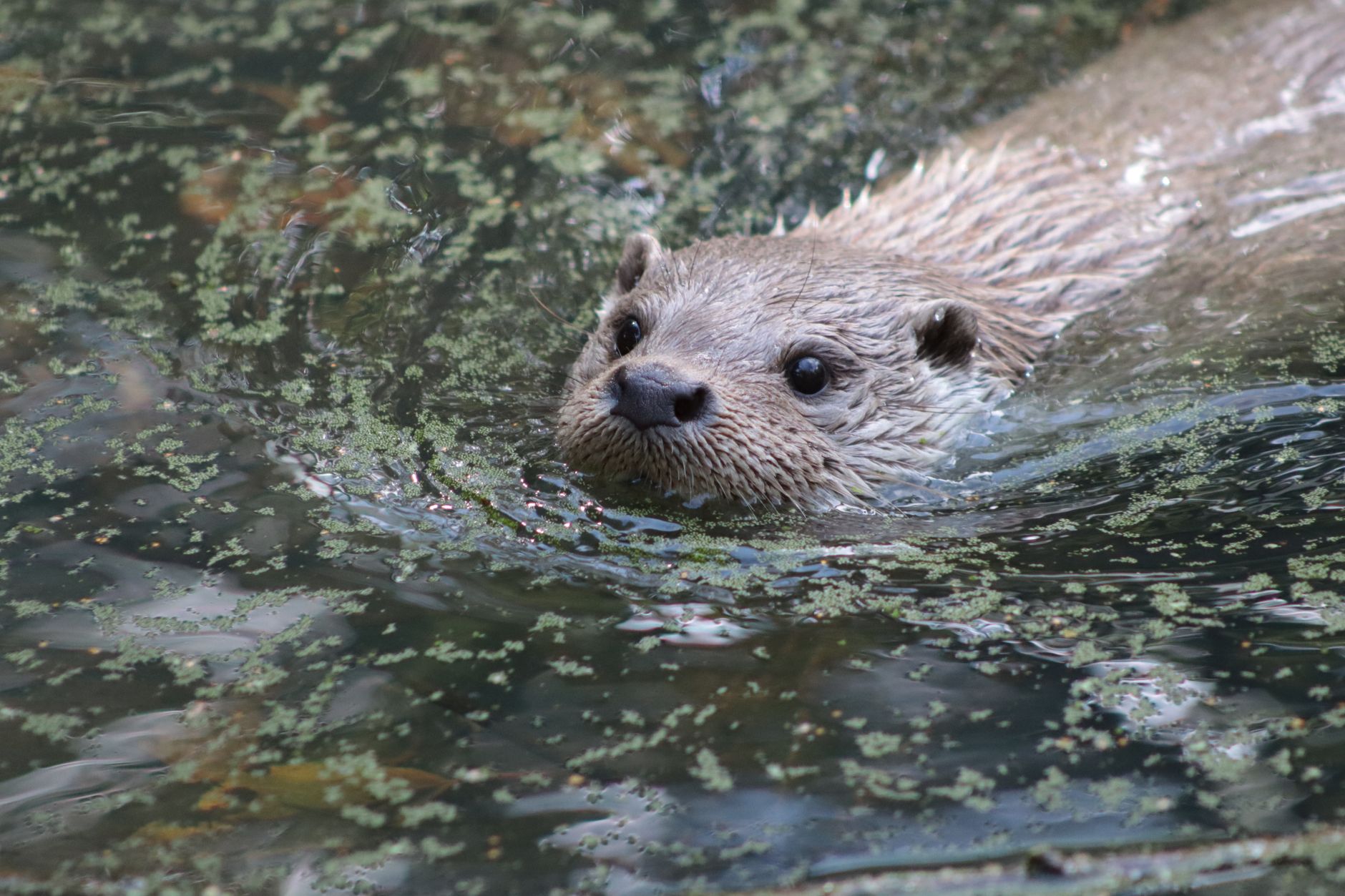
Otters require extensive, unpolluted river systems. Their territorial nature means that relocating them is not a viable option. Any disruption to their habitat could have devastating consequences. With populations already limited by habitat loss, otters could face further decline under the new system.
Beavers, recently reintroduced to the UK, are also at risk. While their populations have been recovering, the proposed reforms threaten to jeopardize these efforts. If developers pay into the restoration fund without addressing the specific needs of beavers, their habitats could be destroyed.
Dormice have experienced a dramatic population decline, with numbers falling by 70% since 2000. They depend on well-connected woodland habitats, which are rapidly disappearing. Without targeted protection, dormice are at risk of extinction in the wild.
The Case for a Science-Based Approach
Conservationists are urging the government to adopt a more cautious, science-based approach to planning reforms. Richard Benwell emphasizes the importance of relying on scientific data to guide decisions regarding protected species.
Becky Pullinger, head of land use planning at The Wildlife Trusts, also highlights the risks posed by the Planning and Infrastructure Bill. She argues that scientific evidence must form the foundation of any planning strategy to prevent the misuse of the new system for profit or political convenience.
Pullinger suggests that development and nature recovery can coexist, provided that the protection of wildlife is prioritized. She calls for collaboration between the government and conservationists to ensure that the new legislation balances development needs with ecological preservation.
Future Implications for Wildlife Conservation
The proposed planning reforms could have lasting implications for wildlife conservation in the UK. By allowing developers to offset environmental damage through a levy, the reforms risk prioritizing economic growth over ecological health.
Conservationists warn that this approach could lead to the loss of critical habitats and further endanger vulnerable species. The potential for irreversible damage underscores the need for a careful, evidence-based strategy that addresses the unique needs of each species.
As the debate continues, the question remains: How can the UK balance the demand for development with the imperative to protect its diverse and vulnerable wildlife? The answer will likely require innovative solutions and a commitment to preserving the natural environment for future generations.
With the stakes so high, the conversation around planning reforms and wildlife protection is more crucial than ever. How can policymakers and conservationists work together to ensure that development does not come at the expense of the UK’s cherished wildlife? The future of these species – and the ecosystems they inhabit – depends on finding a sustainable path forward.