



Myanmar’s Fastest Earthquake Ever Recorded Reshapes Understanding, Unveils New Challenges for Global Seismology Experts
 By
Kwame Asante
By
Kwame Asante
| IN A NUTSHELL |
|
The March 28, 2025, earthquake that struck Myanmar has captured worldwide attention due to its unprecedented speed and scale, earning it the title of the fastest earthquake ever recorded. Measuring 7.7 in magnitude, this seismic event shook the nation and has significantly impacted the field of seismology. Researchers have delved into the factors that contributed to this exceptional earthquake, hoping to better understand and prepare for future seismic threats. This analysis not only highlights the unique characteristics of the Myanmar quake but also challenges existing models of earthquake behavior.
The Science Behind Supershear Earthquakes
Earthquakes occur when a rupture in the Earth’s crust releases energy along a fault line. Typically, these ruptures move at speeds slower than the seismic waves they produce. However, the Myanmar earthquake was a rare instance of a supershear earthquake, where the rupture traveled faster than the seismic waves. Reaching speeds of over three miles per second, this was an unprecedented occurrence in the history of continental earthquakes.
The phenomenon was meticulously recorded using global seismic data and satellite imagery, allowing researchers led by Dara E. Goldberg of the U.S. Geological Survey to track the rupture’s swift movement. The rupture extended approximately 475 kilometers along the Sagaing Fault, a distance significantly longer than expected for its magnitude. As Goldberg explained, these earthquakes are akin to “breaking the sound barrier, but in rock,” emphasizing the extraordinary speed and energy involved.
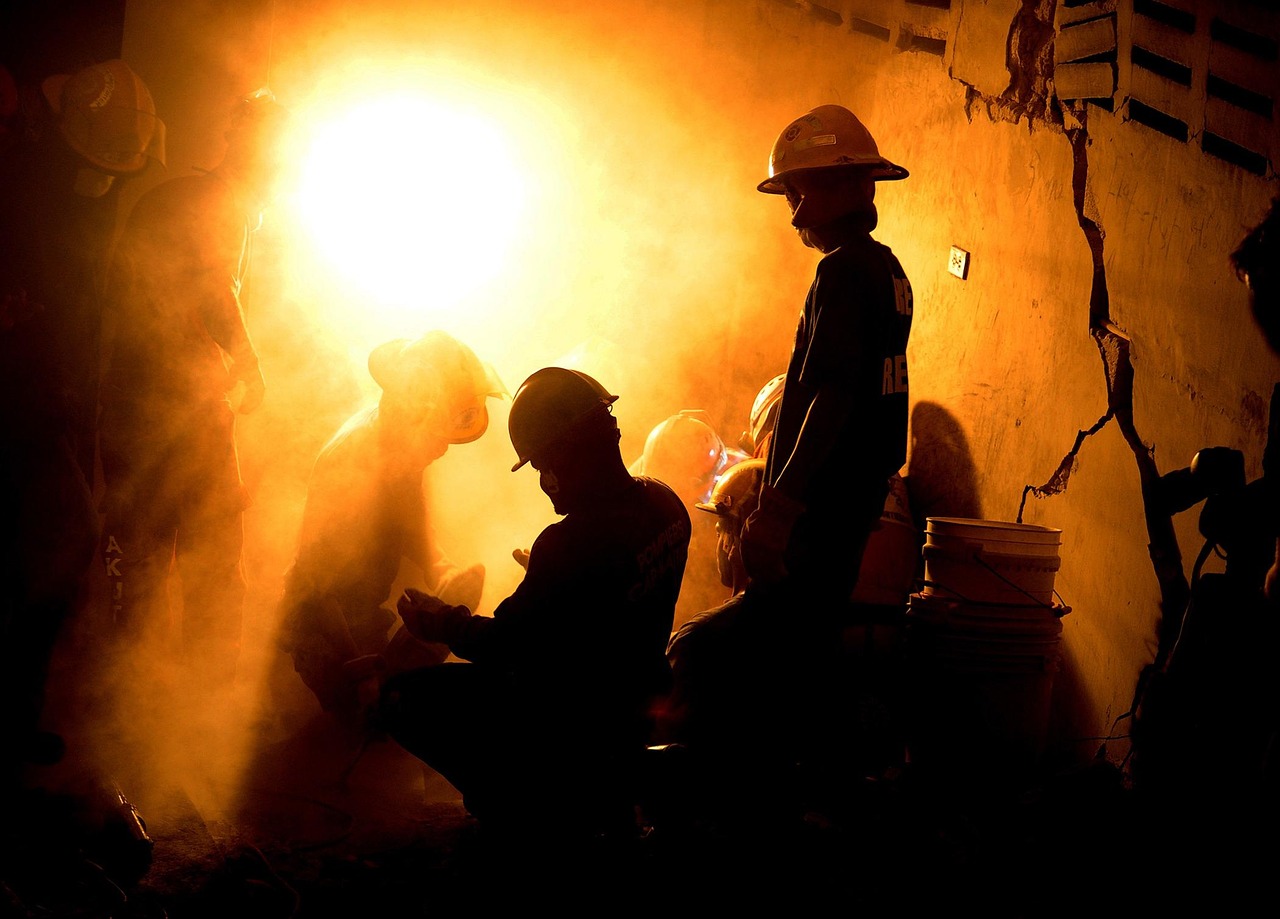
Parts of Myanmar experienced intense shaking, with infrastructure suffering significant damage. The unique combination of the rupture’s speed and its interaction with the local geology amplified the earthquake’s impact, offering new insights into how such events unfold.
Factors That Fueled the Fastest Earthquake Ever Recorded
The remarkable speed of the Myanmar earthquake was due to a confluence of factors. First, the geometry of the Sagaing Fault played a pivotal role. Its southern segment is nearly straight for hundreds of kilometers, allowing the rupture to move unimpeded by bends that typically slow down seismic events.
The second factor was the long period of stress accumulation on the fault. Since the last major earthquake in 1839, stress had been building for nearly two centuries. This prolonged dormancy allowed a substantial amount of energy to be stored, which was released in an explosive and rapid manner.
Finally, the contrasting rock properties on either side of the fault were crucial. The differences in stiffness and strength influenced the behavior of seismic energy, creating a feedback loop that sustained the rupture’s supershear speed. This combination of factors enabled the earthquake to break through the Earth’s crust at an unprecedented velocity.
Supershear Earthquakes: A New Threat?
While supershear earthquakes are rare, their potential impact is significant, posing new challenges for engineers and urban planners. Traditional models often rely on a correlation between earthquake magnitude and rupture length. However, the Myanmar event revealed that even moderate-magnitude earthquakes can produce extensive ruptures, leading to intensified shaking over greater distances.
This variability in shaking intensity means regions far from the fault could experience severe shaking, potentially more than areas closer to the fault line. This insight is crucial for disaster preparedness, especially in densely populated regions along active faults.
Lingsen Meng, a professor at UCLA, highlighted this issue, stating, “Supershear earthquakes create seismic shock fronts that can double the intensity of shaking, even hundreds of kilometers away.”
This revelation challenges existing risk assessments and underscores the need for updated models to better predict and mitigate the effects of such powerful earthquakes.
Understanding the Broader Implications
The Myanmar earthquake has broadened the understanding of seismic hazards, urging a re-evaluation of how earthquakes are modeled and prepared for. Its impact extends beyond the immediate damage, influencing global seismic research and preparedness strategies. Scientists continue to study the event, hoping to uncover more about the mechanics behind supershear earthquakes and their potential risks.
This earthquake serves as a stark reminder of the unpredictability of natural disasters and the importance of advancing scientific knowledge to safeguard communities. As researchers delve deeper into the phenomena behind supershear earthquakes, what new strategies might emerge to enhance our ability to predict and mitigate such formidable natural events?
Continue reading