


Extreme Silence Reveals Profound Human Impact: Discover the Surreal Reality of the Quietest Place on Earth
 By
Nomvula Dlamini
By
Nomvula Dlamini
| IN A NUTSHELL |
|
Silence is often celebrated as a balm for the modern soul, offering a retreat from the relentless noise of daily life. Yet, when silence reaches its most extreme forms, it can transform into something entirely different – an experience both surreal and challenging. From the natural tranquility of Hawaii’s Haleakalā Crater to the engineered silence of an anechoic chamber in Minnesota, these quietest places on Earth provide a unique lens through which to explore human perception and the effects of sensory deprivation. They reveal not only the power of silence to heal but also its potential to unsettle the mind.
Haleakalā Crater: Silence in Its Purest Form
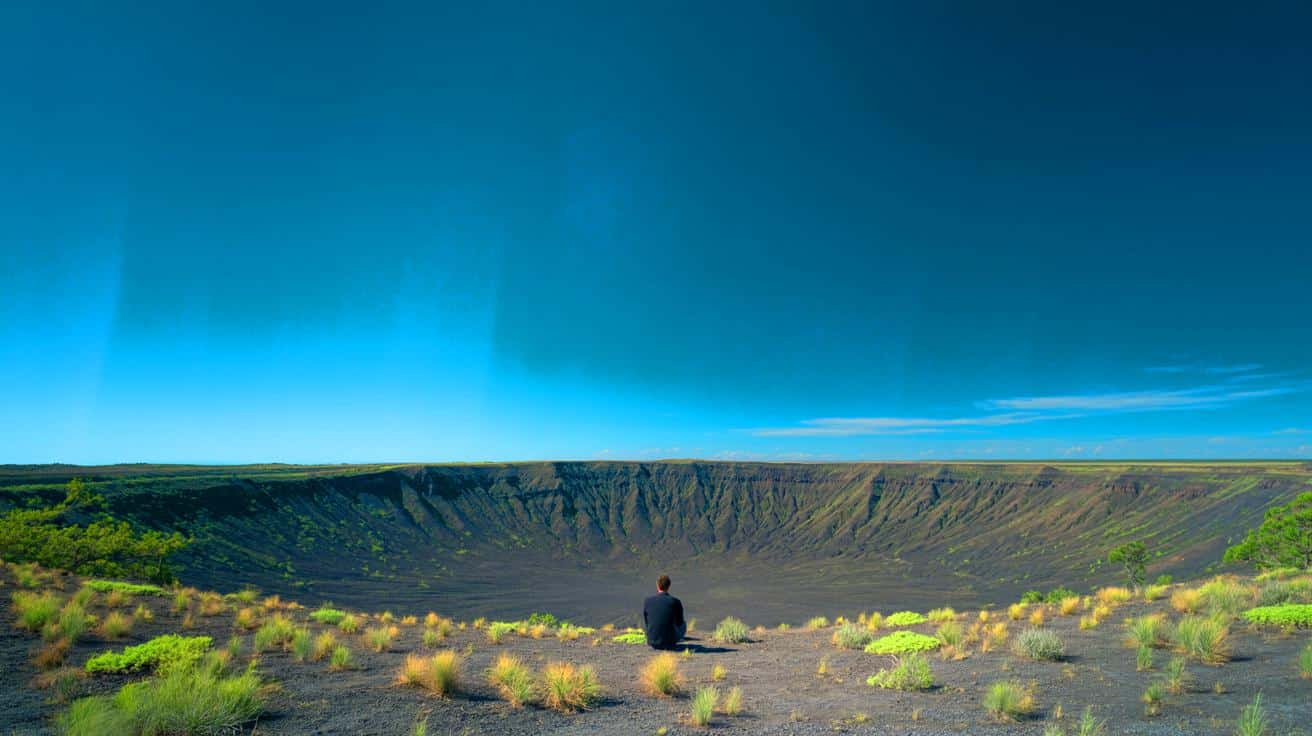
Haleakalā National Park, located on the slopes of the East Maui volcano in Hawaii, offers a profound encounter with silence. Here, tranquility is not merely heard – it is felt deeply. The park’s soundscape is so devoid of noise that visitors often report hearing their own heartbeat. This phenomenon is a testament to the park’s extraordinarily low sound levels, which can dip as low as 10 dBA in certain areas. Even in more frequented areas near the shoreline, noise rarely surpasses 45 dBA.
The park’s geography, characterized by a deep crater and sparse vegetation, contributes to this remarkable silence. Natural sounds like wind, wildlife, and rustling leaves are nearly absent, allowing visitors to experience an unparalleled connection with their surroundings. The scientific implications of this quiet are significant, as these ambient sound levels are crucial for maintaining the park’s ecological balance.
The profound silence of Haleakalā serves as a refuge, offering a chance to escape the clamor of modern life and engage with nature in a deeply personal way. The experience challenges our understanding of silence, revealing its potential to enhance human perception and foster a sense of peace.
The Anechoic Chamber: Silence That Confronts You
In stark contrast to the natural serenity of Haleakalā, the anechoic chamber at Orfield Laboratories in Minneapolis offers a more confronting experience of silence. This engineered space absorbs 99.99% of sound, creating an environment that is almost entirely devoid of noise. Its walls are lined with materials designed to eliminate echoes, and its structure prevents external sounds from entering.
For sound engineers and researchers, the chamber is an invaluable tool. However, for visitors, it can be a disorienting place. Many find it difficult to stay inside for extended periods. The absence of external noise heightens awareness of internal bodily sounds, such as the circulation of blood, one’s heartbeat, and even the sound of blinking.
The anechoic chamber highlights the brain’s reliance on sound to make sense of the world. In a society filled with constant noise, the extreme quiet of the chamber can be both fascinating and unsettling. It serves as a stark reminder of how sound shapes our reality, emphasizing the brain’s need for auditory input to maintain equilibrium.
The Paradox of Silence: A Double-Edged Sword
Silence, particularly in its most extreme forms, embodies a paradox. On one hand, it offers a sanctuary from the chaos of everyday life, as seen in the tranquil environment of Haleakalā Crater. On the other hand, it can also provoke discomfort and challenge mental stability, as demonstrated by the anechoic chamber experience.
The human brain is designed to process sound constantly. When deprived of this input, it can lead to heightened awareness and sensory overload. While this offers valuable insights into human cognition, it can also induce psychological strain. The juxtaposition of these two silent environments – one natural and calming, the other artificial and confronting – underscores the complex relationship between silence and sound.
Extreme silence provides a unique opportunity to study the limits of human perception, challenging our understanding of how the mind and body interact with the absence of sound.
The Impact of Extreme Silence on Human Perception
Extreme silence, whether in nature or a controlled environment, reveals much about human perception. It challenges us to reconsider how we experience the world and the role sound plays in our lives. The quiet of Haleakalā fosters a deeper connection with nature, while the anechoic chamber forces an introspective confrontation with one’s own physiological processes.
These experiences highlight the importance of sound in shaping our reality, influencing not only our mental state but also our physical health. Silence, in its most extreme form, can offer profound insights into the human condition, emphasizing the delicate balance between noise and quiet that defines our daily existence.
As we continue to explore these silent spaces, the question remains: how does our growing understanding of silence shape our approach to sound and its role in our increasingly noisy world?
Continue reading