

Scientists Reveal Identities in Croatia’s Mysterious Mass Grave, Shedding Light on a Dark Chapter of History
 By
Kwame Asante
By
Kwame Asante
| IN A NUTSHELL |
|
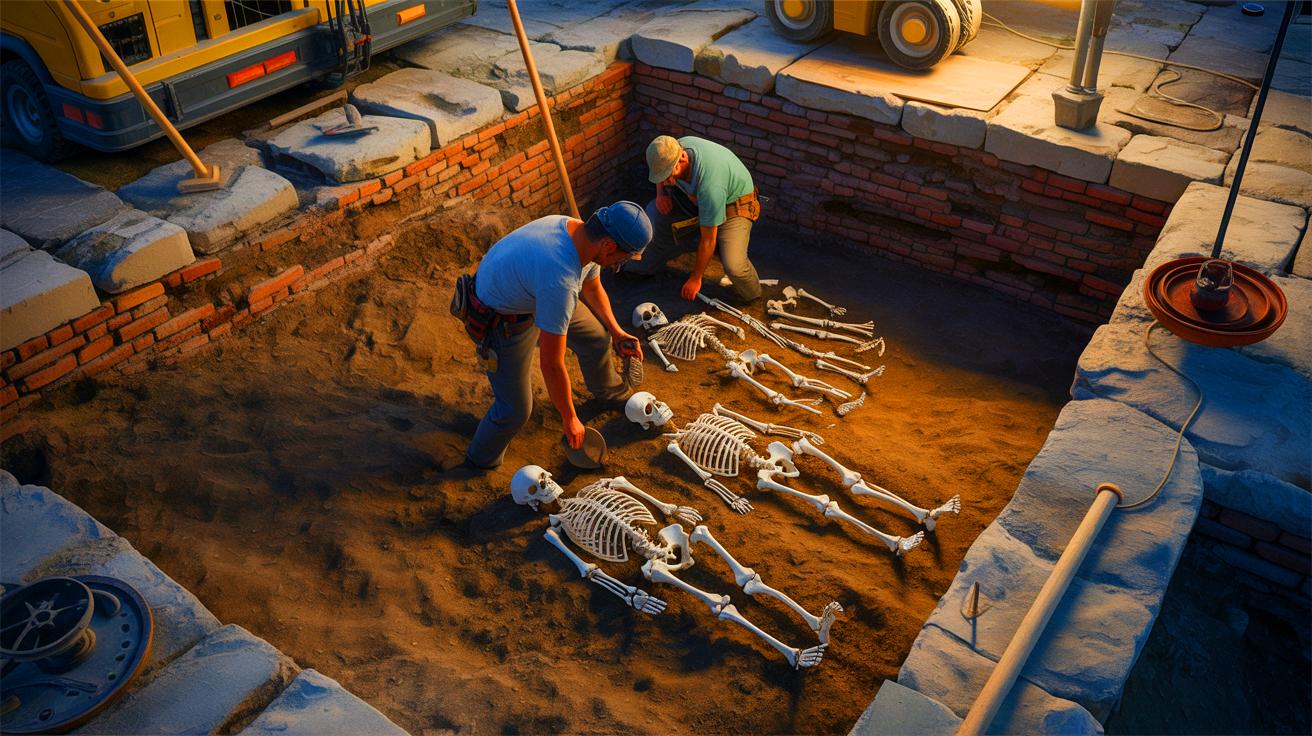
In a quiet corner of Osijek, Croatia, a significant archaeological discovery has emerged after more than a decade of meticulous research. In 2011, construction workers unearthed a Roman-era well containing the skeletons of seven men. For years, the mystery of these remains baffled experts. Now, a detailed study has identified them as Roman soldiers, casualties of a tumultuous period in the empire’s history. This revelation sheds light on the Crisis of the Third Century, a time marked by internal strife and civil wars within Rome. The findings not only reveal the brutal realities of ancient warfare but also the lengths to which modern science can go to uncover historical truths.
Battlefield Beneath the Streets: How a Routine Excavation Uncovered a Forgotten Roman Tragedy
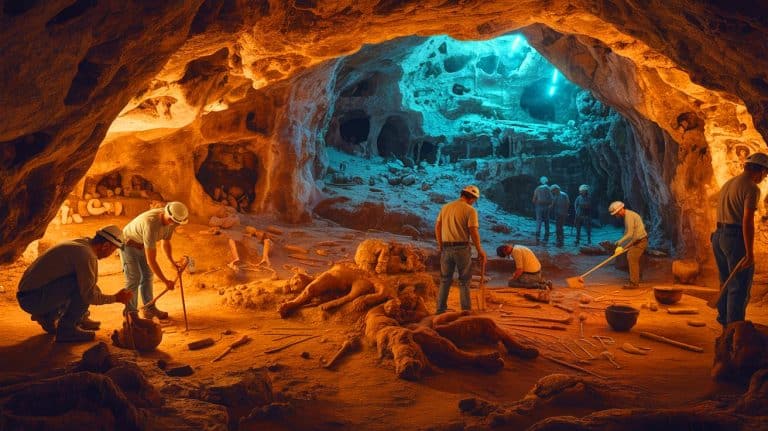
The scene of this archaeological breakthrough was a construction site at a local college in Osijek. In 2011, the discovery of a well filled with skeletons halted the construction work and launched a years-long investigation. Initially, the remains offered few clues about their identities. They were found devoid of personal belongings or weapons, buried haphazardly, and without ceremony. This lack of context left archaeologists puzzled for years.
A multidisciplinary research team undertook the task of piecing together the skeletons’ story using advanced forensic methods. Radiocarbon dating, ancient DNA analysis, and stable isotope testing were employed to determine that these men were Roman soldiers. Their deaths were attributed to the Battle of Mursa in 260 C.E., a significant conflict during the Crisis of the Third Century. The study, published in the journal PLOS One, asserts that these individuals were victims of a catastrophic event during one of the most unstable periods in Roman history. The battle occurred in what was then a major Roman outpost, underscoring the far-reaching impact of internal conflicts within the empire.
Soldiers, Not Locals: What the Bones Reveal About the Men of Mursa
The skeletal remains provided a wealth of information about the physical attributes and lives of these men. According to bioarchaeologist Mario Novak, the men were robust and tall, characteristics consistent with Roman soldiers of that era. Their ages ranged from 18 to 50, fitting the profile of military recruits. The skeletons also revealed a violent end, with signs of skull fractures, broken ribs, and injuries consistent with arrow or spear wounds. One individual showed signs of a hip injury, possibly inflicted from behind during combat.
These findings suggest a grim narrative of close-quarters fighting and a chaotic aftermath. The lack of valuables or military honors among the remains indicates that the soldiers might have been ambushed or caught in retreat. Dietary analysis further distinguished them from local populations. Their diet, composed mainly of vegetables with minimal animal protein, aligns with that of provincial soldiers rather than urban Romans. Genetic analysis confirmed their non-local origins, suggesting they were likely reinforcements brought in for the campaign.
Mursa’s Bloody Legacy and What Comes Next
The Battle of Mursa was a pivotal event in the internal power struggles that characterized the Crisis of the Third Century. This battle, fought between Emperor Gallienus and the usurper Ingenuus, highlights the instability that plagued the Roman Empire during this period. Historical records of the battle are sparse, but the discovery of these skeletons adds a human dimension to the narrative, illustrating the high cost of power struggles in blood and lives.
A Roman coin dated to 251 C.E., found near the skeletons, provides further confirmation of the burial’s timeline. The research team plans to investigate a second mass burial site nearby, which may hold more victims of this historical conflict. This study exemplifies the power of integrated scientific techniques in enhancing our understanding of Roman military history. As more remains are unearthed, the voices of the past, long silent, begin to tell their stories.
Scientific Methods and Historical Revelations
The uncovering of the Mursa skeletons showcases the intersection of archaeology and modern science. The use of radiocarbon dating, DNA analysis, and isotopic testing represents a significant advancement in archaeological methods. These techniques allow researchers to construct detailed narratives about historical events, even when historical records are lacking or incomplete. The integration of these methods is rewriting what we know about ancient civilizations, providing a more nuanced understanding of their social and military structures.
This discovery raises questions about the impact of internal conflicts on the Roman Empire’s decline. What other forgotten stories lie beneath the surface, waiting to be unearthed by science? As researchers continue to explore sites like Mursa, they may uncover more about the challenges and complexities faced by ancient societies.
Continue reading