



New Marine Reptile Discovery on England’s Jurassic Coast Sparks Fascination: Unveiling the ‘Sword Dragon’ Species
 By
Kwame Asante
By
Kwame Asante
| IN A NUTSHELL |
|
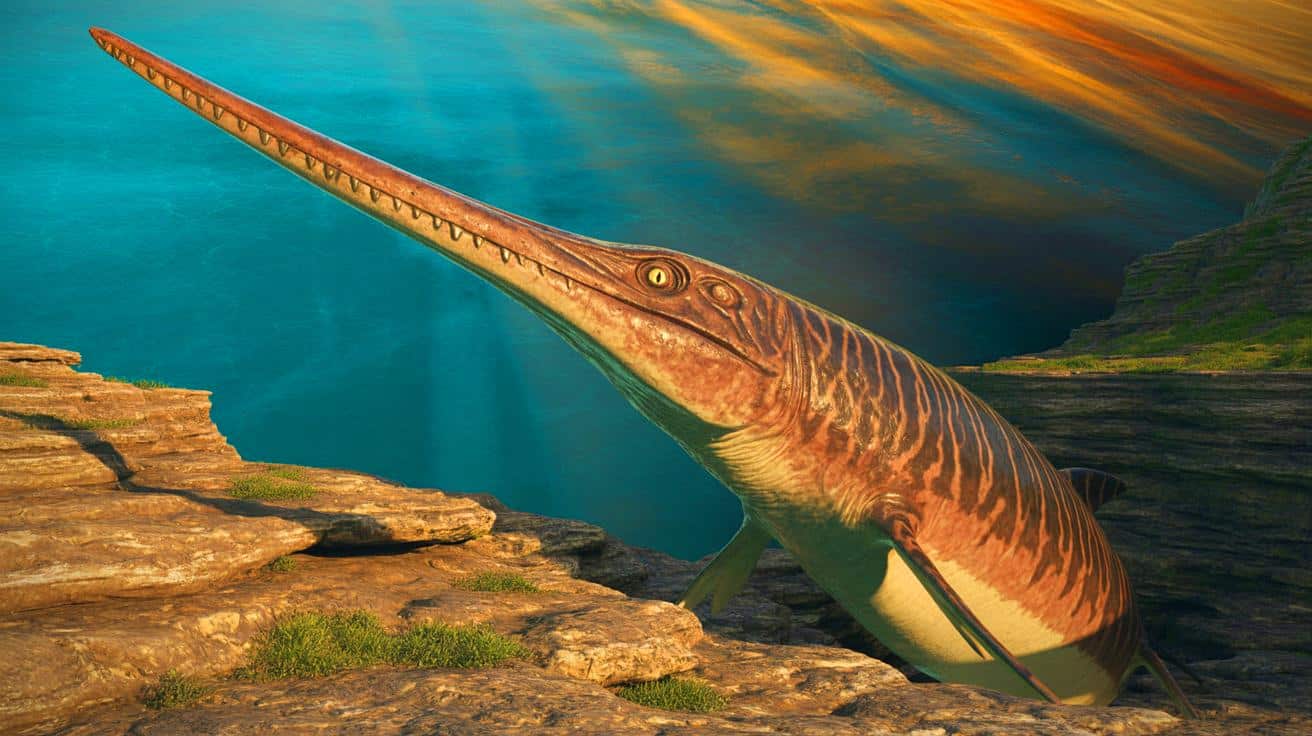
The discovery of a new species of marine reptile, dubbed the “Sword Dragon,” provides a window into the ancient ecosystems of the Early Jurassic period. This remarkable find, named Xiphodracon goldencapensis, comes from the well-known Jurassic Coast in England, a treasure trove of prehistoric life. Dating back approximately 190 million years, the fossil fills a critical gap in our understanding of marine reptile evolution. The study, detailed in the journal Papers in Palaeontology, highlights the diverse life forms that thrived in ancient seas and offers insights into the evolutionary paths marine reptiles took after significant extinction events.
Unearthing the Sword Dragon: A Paleontological Breakthrough
The discovery of Xiphodracon goldencapensis is a milestone in paleontology. The fossil was unearthed from the cliffs of Dorset, a location famous for yielding a diverse array of prehistoric remains. The Sword Dragon measures about 10 feet in length and is distinguished by its elongated, blade-like snout, which gave rise to its evocative nickname. This ichthyosaur specimen is among the few examples from the Early Jurassic, a period of profound evolutionary change for marine reptiles.
Paleontologists, led by Dean R. Lomax from the University of Manchester, have identified this specimen as a pivotal piece in the ichthyosaur evolutionary puzzle. The study published in Papers in Palaeontology provides valuable insights into how these creatures adapted to their environments. The fossil’s preservation offers a rare glimpse into the ecological shifts that occurred after previous extinction events, underlining the adaptability and resilience of marine reptiles.
The Sword Dragon’s Physical Traits: An Evolutionary Marvel
The Xiphodracon goldencapensis stands out due to its unique physical features. Its long, slender snout and large eye socket are among its most striking traits. These adaptations suggest a specialized diet that likely included fish and squid. The narrow snout was ideal for capturing small, agile prey in the shallow seas of its habitat. The detailed preservation of its skull has allowed scientists to infer its feeding habits and ecological role.
Interestingly, the fossil exhibits signs of injuries, such as malformed teeth and healed bone fractures. These features indicate that the Sword Dragon was an active predator, navigating the dangers of its environment with skill. Such evidence aligns with the behaviors observed in many marine predators, emphasizing the Sword Dragon’s adaptability in its aquatic surroundings.
Understanding the Ecological Impact: The Sword Dragon’s Role in the Jurassic Seas
During the Early Jurassic, marine ecosystems were undergoing significant transformations, with new species emerging and others fading away. The Xiphodracon offers a rare view into this dynamic period, linking earlier ichthyosaur species with those that would dominate later eras. This discovery aids researchers in tracking the faunal turnover of marine life during this time, shedding light on how ecosystems evolved in response to changing climates and environmental conditions.
The Xiphodracon, a member of the leptonectid group of ichthyosaurs, represents a critical step in the diversification of marine reptiles. It marks an evolutionary juncture that connects earlier species to those that would flourish in the Late Jurassic. This transitional role underscores the importance of Xiphodracon in understanding the broader evolutionary narrative of marine life.
The Significance of the Fossil: What It Tells Us About Evolution
The Xiphodracon goldencapensis fossil is more than just a new species discovery. It is a vital piece of evidence for understanding the evolutionary timeline of marine reptiles. The skull’s preservation, featuring distinctive prong-like projections in the prefrontal bones, provides clues about ichthyosaur biology and adaptation during a time of significant environmental change. These projections may have housed salt glands, a feature that would have helped the reptile regulate its salt intake, similar to modern marine reptiles.
Additionally, the fossil reveals insights into predator-prey relationships of the time. The skull shows signs of being bitten, with fractures and crush damage suggesting an encounter with a larger predator. This interaction highlights the complex food webs that existed in the Jurassic seas, offering a glimpse into the harsh realities faced by ancient marine creatures.
The discovery of the Sword Dragon enriches our understanding of the Early Jurassic period and the evolutionary history of marine reptiles. It underscores the complexity and adaptability of life forms in ancient seas. As scientists continue to study these remarkable fossils, what further insights into the ancient world might they uncover? How will these discoveries shape our understanding of evolution and the history of life on Earth?
Continue reading