


Dinosaur Fossil Reveals New 200 Million-Year-Old Long-Necked Species, Changing Our Understanding of East Asian Prehistory
 By
Kwame Asante
By
Kwame Asante
| IN A NUTSHELL |
|
The discovery of a new dinosaur species, Wudingloong wui, is offering fresh insights into the early evolution of long-necked dinosaurs, known as sauropodomorphs. Found in Yunnan, China, this ancient creature dates back to roughly 200 million years ago. This groundbreaking find is reshaping our understanding of the early Jurassic period. By offering a glimpse into the ecological shifts of that time, Wudingloong wui provides a window into how these majestic creatures adapted and evolved. As the oldest sauropodomorph discovered in East Asia, this species holds a pivotal place in the evolutionary history of dinosaurs.
Early Long-Necked Dinosaurs: The Key Role of Wudingloong wui
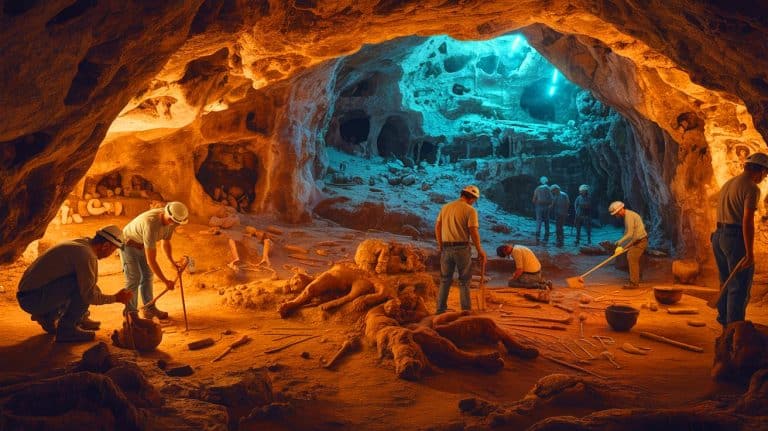
The unearthing of Wudingloong wui marks a significant milestone in paleontology, particularly in the study of sauropodomorphs. These dinosaurs, ancestors to the colossal Brachiosaurus, were much smaller and more lightly built during their early stages. The fossil, found in the Yubacun Formation of Yunnan, China, sheds light on the initial phases of sauropodomorph diversification. This discovery, detailed in the journal Scientific Reports, places Wudingloong in a crucial evolutionary position, offering insight into the complex relationships among early sauropodomorphs.
The fossil includes a partial skeleton with a skull, neck, back, and forelimb, providing a comprehensive look at its anatomical features. As an earlier-diverging sauropodomorph than the Massospondylidae and Sauropodiformes, Wudingloong enriches the sauropodomorph assemblage of southwestern China. This positions Wudingloong as a vital link in understanding the evolution of long-necked dinosaurs.
“Wudingloong is placed as an earlier-diverging sauropodomorph than Massospondylidae and Sauropodiformes, which adds new information to the sauropodomorph assemblage of southwestern China,” wrote Wang.
A Peek into the Dinosaur’s Anatomy: What the Bones Reveal
The anatomy of Wudingloong wui offers fascinating insights into its unique features. The dinosaur’s skull features a triangular antorbital fossa, a depression in the bone before the eye, which distinguishes it from other Chinese relatives. This particular skull structure is not commonly found among its counterparts, further supporting the notion that Wudingloong was a distinct species.
The neck vertebrae exhibit a sharp ventral keel and closed neurocentral sutures, which are fused joints indicating adulthood. These traits place Wudingloong securely within the sauropodomorph group. The forelimb, characterized by a slender build and a flat-topped humeral head, coupled with an elongated hand, suggests powerful grasping capabilities. Such traits might have been crucial for survival, possibly aiding in self-defense or other vital functions.
A Nimble Dinosaur: The Lifestyle and Behavior of Wudingloong
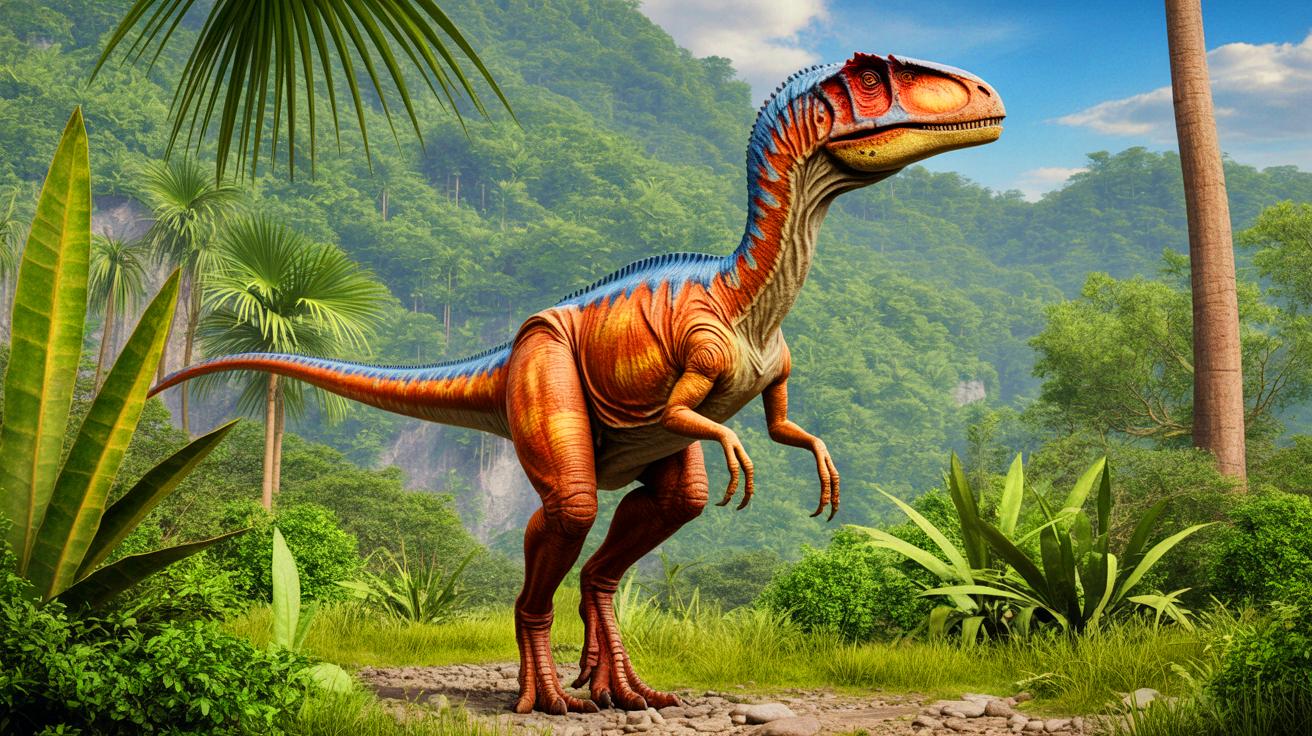
In contrast to the massive quadrupeds that later sauropods became, Wudingloong likely possessed a more agile, bipedal lifestyle. This adaptation suggests that it was more nimble and versatile than its towering descendants. The shape of its forelimbs, along with its long fingers and significant first claw, supports the idea of a strong grasping ability, potentially useful for defense or feeding.
The dinosaur’s teeth, with smooth enamel, indicate a herbivorous or mixed diet. Its slender shoulder blade suggests that it lacked the bulk of later sauropods, pointing to a more lightweight frame. These physical characteristics highlight the diverse survival strategies of early sauropodomorphs, showcasing the adaptability and range of this ancient lineage.
“It was likely a bipedal dinosaur,” said You Hailu of the Institute of Vertebrate Paleontology and Paleoanthropology, citing the forelimb shape.
Wudingloong: A New Chapter in Dinosaur Evolution
The emergence of Wudingloong signifies a critical piece of the dinosaur evolutionary puzzle, especially in East Asia. Phylogenetic analyses place it within the sauropodomorph family tree, below the clades that gave rise to giant sauropods. This finding aligns with a broader pattern of diversification during the Triassic and Early Jurassic periods.
The fossil’s age and geographical location suggest that Wudingloong thrived during a period marked by significant ecological change, just after the Triassic-Jurassic boundary. These changes involved substantial shifts in climate and landscape, providing a fertile ground for the diversification of long-necked dinosaurs. The discovery underscores the importance of continued exploration and research to fully grasp its significance in the broader context of dinosaur evolution.
The discovery of Wudingloong wui raises intriguing questions about the evolutionary pathways of sauropodomorphs. It highlights the adaptability and diversification of these early dinosaurs in a rapidly changing world. As we uncover more about this ancient creature, what further secrets might the fossil record reveal about the dawn of the Jurassic and the rise of the giants?
Continue reading