


Antarctica’s Native Insect Faces Extinction Threat: Microplastics Challenge Survival of Continent’s Last Endemic Species
 By
Nomvula Dlamini
By
Nomvula Dlamini
| IN A NUTSHELL |
|
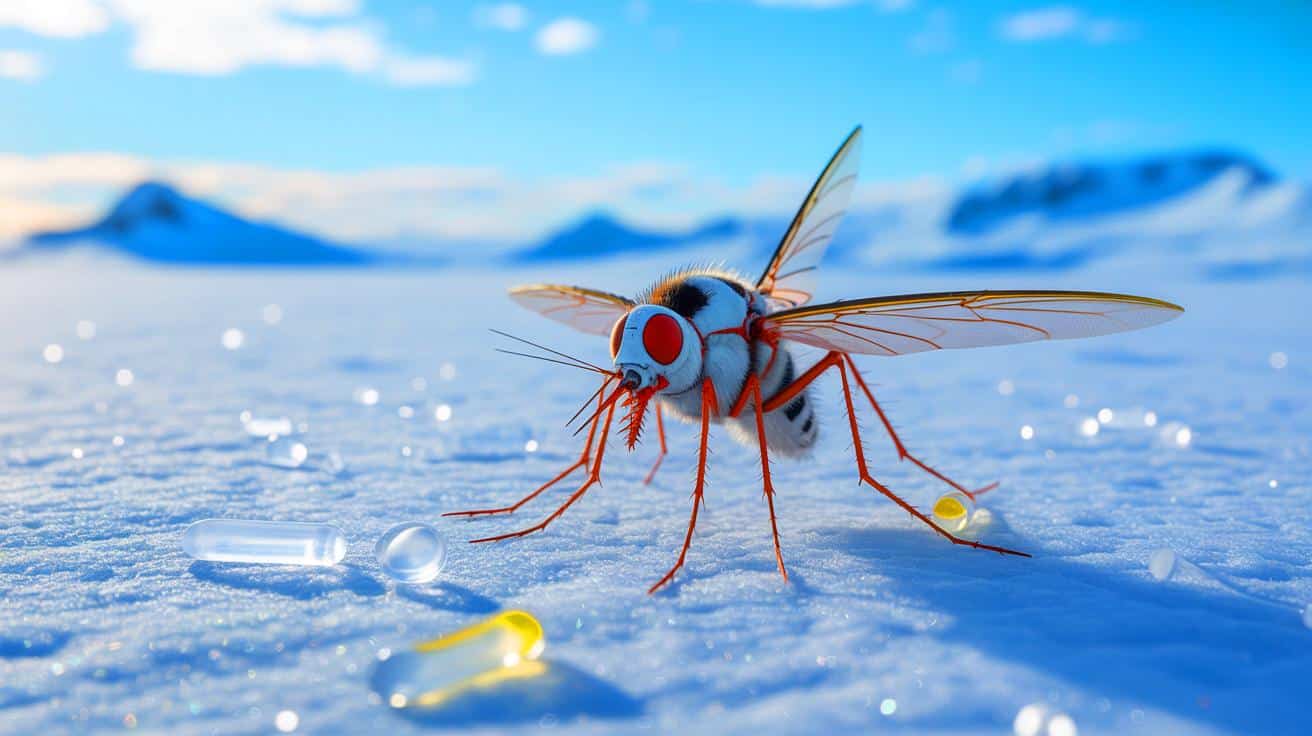
In the heart of Antarctica, an ecological alarm is sounding. The Antarctic midge, Belgica antarctica, has been discovered ingesting microplastics, a sign that pollution is spreading even to the most isolated parts of the world. This discovery, made by researchers at the University of Kentucky, highlights the creeping infiltration of microplastics into areas previously thought to be pristine. While the Antarctic midge is known for its resilience to extreme environmental conditions, it now faces an unprecedented threat. This revelation raises critical questions about the potential long-term impact of microplastics on one of the world’s most delicate ecosystems.
The Antarctic Midge and the Global Plastic Crisis
The Antarctic midge, Belgica antarctica, stands as a testament to life’s ability to endure. As the only native insect species in Antarctica, it thrives in conditions that would be lethal to most other life forms. The midge is a poly-extremophile, capable of surviving extreme cold, high UV radiation, and drastic temperature changes. However, the encroachment of microplastics presents a new challenge. Dr. Devlin from the University of Kentucky spearheaded research into this issue, driven by the question of whether these resilient insects could withstand yet another form of environmental stress.
“Watching that film just blew my mind,” Devlin said. “I started reading about plastic’s effects on insects and thought, ‘If plastic is turning up everywhere else, what about rare places like Antarctica?’”
This inquiry led to a study that introduced microplastics into the environment of the Antarctic midge to assess their effects. Despite the remote location, microplastics were found in the midges’ digestive systems, indicating that even Antarctica is not immune to global pollution. This finding is a stark reminder of the planet’s interconnectedness and the far-reaching impact of human activities.
A Tough Species Tested by a New Threat
The study delved into how the midge’s resilience might influence its interaction with microplastics. Known for their ability to endure extreme conditions, these insects initially appeared unaffected by the introduction of microplastics. Dr. Devlin noted that even at high concentrations, the midges’ survival rates and basic metabolism remained stable, suggesting a short-term tolerance.
“They’re what we call poly-extremophiles,” Devlin said. “They cope with intense cold, drying out, high salt, big swings in temperature and UV radiation. So, the big question was: Does that toughness protect them from a new stress like microplastics or does it make them vulnerable to something they’ve never seen before?”
However, the team exercised caution. While there was no immediate decline in the insects’ ability to survive, the long-term consequences of microplastic ingestion remain uncertain. The potential for subtle, yet significant, impacts on the health of the midges and the broader ecosystem cannot be overlooked.
The Unseen Impact: Changes in Energy Balance
Upon closer investigation, the researchers discovered subtle changes in the midges’ biology. Although the insects seemed to cope with microplastics initially, their energy balance was affected. “Our study suggests that right now, microplastics are not flooding these soil communities. But we can now say they are getting into the system, and at high enough levels they start to change the insect’s energy balance,” Devlin explained.
Microplastics can disrupt the metabolic processes of organisms, and the midges are no exception. The ingestion of these particles altered their ability to process food and energy, which could impact their reproduction and population health over time. As these insects are integral to Antarctica’s food web, any decline in their health could have cascading effects throughout the ecosystem. The study underscores the potential for long-term ecological shifts due to microplastic pollution.
Implications for Antarctica’s Pristine Ecosystem
The presence of microplastics in Antarctica poses a significant threat to its pristine ecosystem. While the immediate effects on the Antarctic midge appear minimal, the long-term implications could be profound. The infiltration of microplastics into this delicate environment signifies a broader environmental crisis that extends beyond visible pollution. The health of the midge populations is crucial, as they play a vital role in the local food web. Any disruption could ripple through the ecosystem, affecting other species that rely on them for food.
This discovery calls for urgent attention to the global issue of plastic pollution and its reach into the most remote corners of the Earth. It challenges scientists and policymakers to consider how to mitigate the impact of microplastics on vulnerable ecosystems. The situation in Antarctica serves as a stark reminder of the need for international cooperation and innovative solutions to address environmental threats.
As scientists continue to study the effects of microplastics on Antarctic wildlife, the findings raise important questions about the future of this fragile ecosystem. How will ongoing pollution alter the delicate balance of life in one of the world’s last untouched habitats? The answers could shape our understanding of human impact on the environment and our responsibilities to protect it.