



Mysterious Creature Leaping from Ocean Near Japan Stirs Curiosity, Sparks Debate Among Marine Biologists and Locals
 By
Kwame Asante
By
Kwame Asante
| IN A NUTSHELL |
|
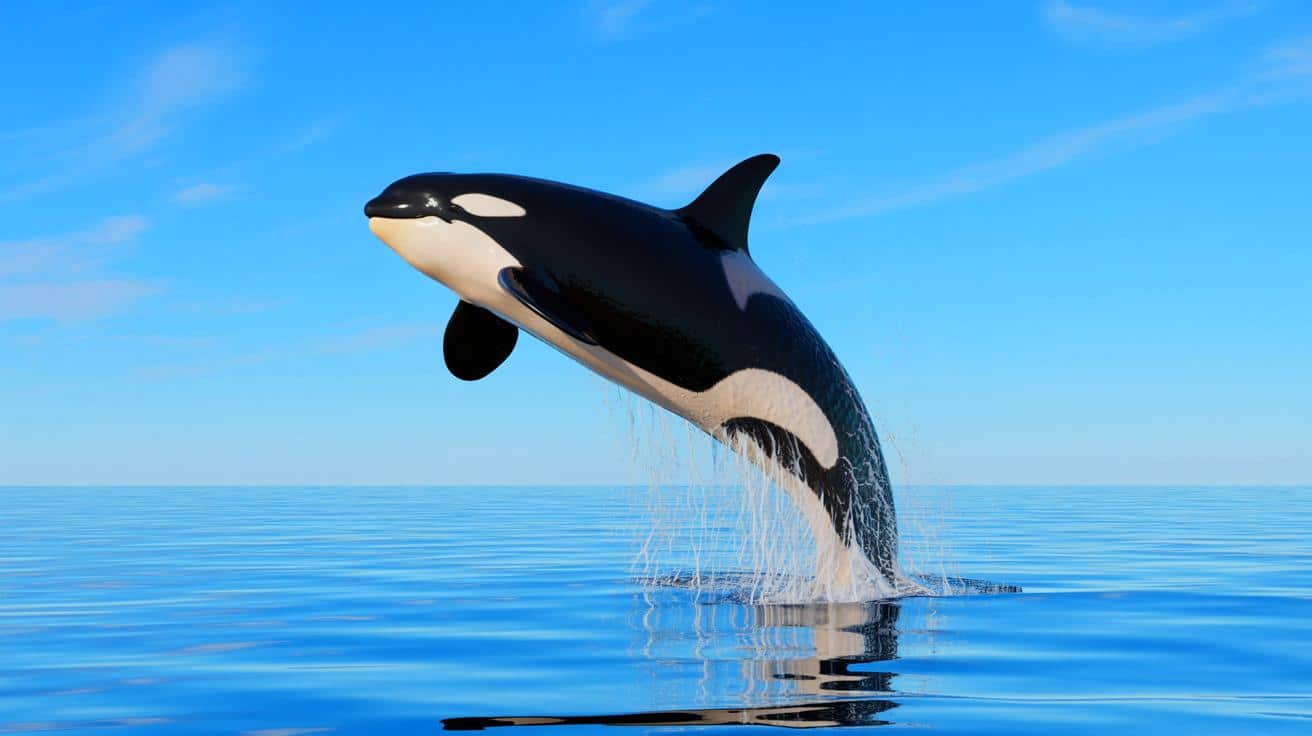
Off the northern coast of Japan, a rare and mysterious sight has captured the attention of marine enthusiasts and researchers alike. A white orca, a creature rarely spotted in the wild, was photographed leaping from the ocean, offering a glimpse into a world few have witnessed. This discovery, shared by seasoned photographer Noriyuki Hayakawa, has sparked a wave of curiosity and excitement. His photograph of the white orca not only highlights the beauty of this elusive creature but also raises important questions about the genetic diversity and survival of orca populations. As the world marvels at this unexpected revelation, the significance of such sightings encourages further exploration and understanding of these majestic marine mammals.
The Once-in-a-Lifetime Moment
The encounter with the white orca was an unforgettable experience for Noriyuki Hayakawa. During a routine whale-watching expedition in the chilly waters off Hokkaido, he witnessed a spectacle that few have ever seen. The 64-year-old photographer, who had dedicated years to documenting orca behavior, was unprepared for the breathtaking sight of a white orca breaching the surface.
“My legs were shaking with excitement,” Hayakawa recounted, describing the adrenaline-fueled moment. Despite having observed countless orcas over the years, this was his first encounter with a leucistic orca. Such an opportunity required quick reflexes, as orcas are swift and only surface briefly. Capturing the moment was not only a testament to Hayakawa’s skill but also a rare glimpse into the life of a creature that remains shrouded in mystery.
This image, now viral, has captivated audiences beyond the realm of marine biology. It serves as a reminder of the uncharted wonders that still exist in our oceans, waiting to be discovered and understood.
Understanding the Rare Genetic Trait
The white orca photographed by Hayakawa is not an albino, but rather exhibits a condition known as leucism. This genetic trait results in the partial loss of pigmentation, unlike albinism, which causes a complete lack of color. The leucistic orca displayed creamy white patches around its chin and eyes, setting it apart from its peers.
For Hayakawa, the sighting was not just a personal milestone but also a significant contribution to orca research. He expressed the importance of the moment, emphasizing the rarity of such animals. According to experts, this whale is one of an extremely small group of known leucistic orcas, making the encounter all the more extraordinary.
Hayakawa’s photograph has sparked interest in the scientific community, highlighting the need for continued research into genetic variations within orca populations. This discovery may offer insights into the ecological and evolutionary dynamics affecting these marine mammals.
The Role of Leucism in Orca Survival
The presence of leucism in orcas prompts questions regarding its impact on their survival. While not as visibly distinct as albinism, leucism can increase an animal’s visibility, potentially making it more vulnerable to predators. However, the observed orca appeared to be well-integrated with its pod, suggesting social acceptance despite its unique appearance.
Hayakawa’s documentation adds to the growing body of research indicating that these genetic traits may reflect broader changes within the species. As orca populations face environmental pressures, genetic diversity becomes increasingly important. The emergence of such traits could indicate a shift in the genetic makeup of orca pods, potentially linked to declining population numbers.
Scientists continue to study these developments, aiming to understand their implications for orca conservation and the long-term health of marine ecosystems.
The Public’s Response and the Power of Social Media
Following the release of Hayakawa’s photograph, the reaction on social media platforms was immediate and varied. While many expressed awe and admiration, others questioned the authenticity of the image. Hayakawa faced skepticism, with some accusing the image of being digitally altered.
“I received a lot of comments saying it’s fake,” Hayakawa stated, defending the genuineness of his work. His personal testimony reinforced the reality of the encounter, countering doubts about its authenticity.
The widespread attention underscores the power of social media in shaping public perception and awareness. Hayakawa’s photograph serves as a powerful tool for engaging the public in discussions about marine life and conservation. It highlights the importance of preserving the natural world and the role individuals play in documenting and sharing these critical moments.
The appearance of a leucistic orca off Japan’s northern coast has offered a rare glimpse into the enigmatic world of marine life. This encounter raises pertinent questions about the future of orca populations and the broader implications of genetic diversity in marine ecosystems. As researchers delve deeper into these mysteries, one might wonder: what other hidden wonders lie beneath the ocean’s surface, awaiting discovery?