
Medieval Warrior-Monk Discovery in Spain Reveals Unique Skull Shape, Offering New Insights into Ancient Practices
 By
Kwame Asante
By
Kwame Asante
| IN A NUTSHELL |
|
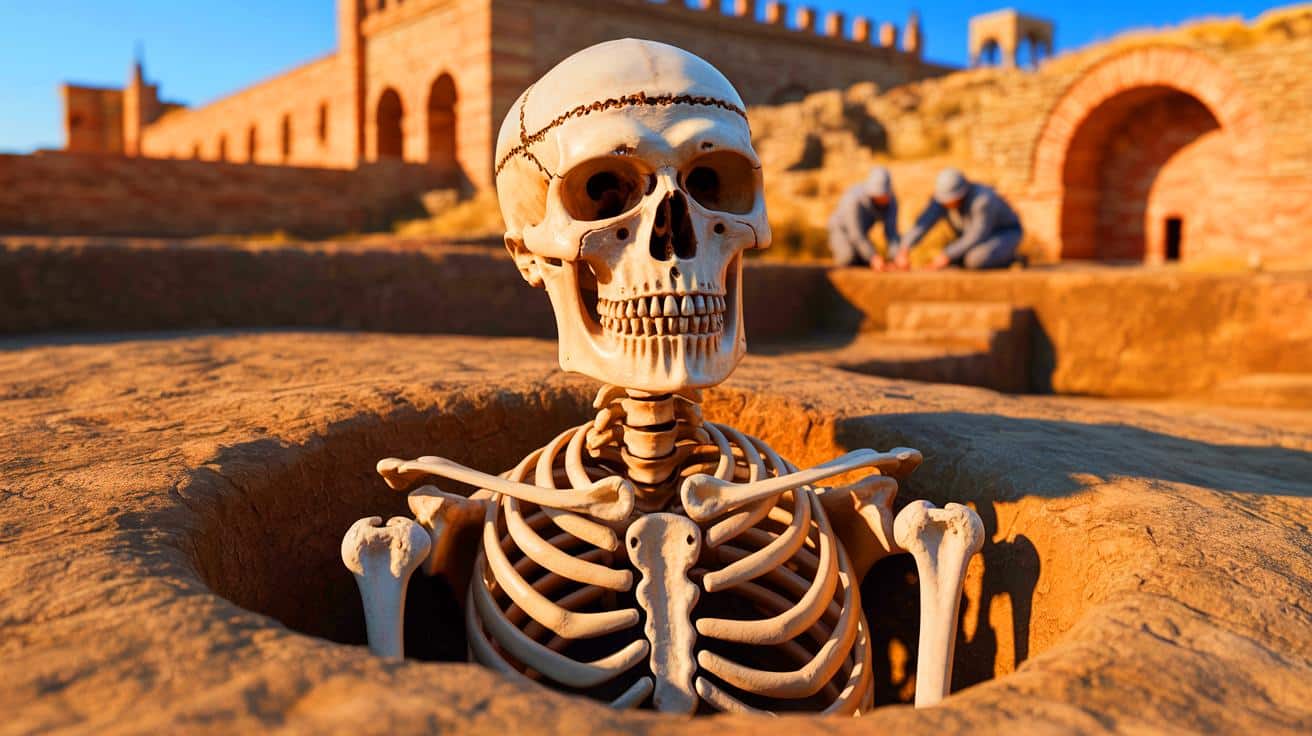
In a stunning revelation, archaeologists have unearthed the remains of a medieval warrior-monk with a rare skull deformity at the fortress of Zorita de los Canes in central Spain. This discovery, outlined in the journal Heritage (2025), offers a window into the life and challenges of a man who lived and died during the tumultuous era of the 13th to 15th centuries. His condition, known as craniosynostosis, provides valuable insights into the medical and social aspects of medieval life, especially within the context of military-religious orders like the Order of Calatrava.
Unveiling a Medieval Mystery: A Warrior-Monk’s Extreme Skull Deformity
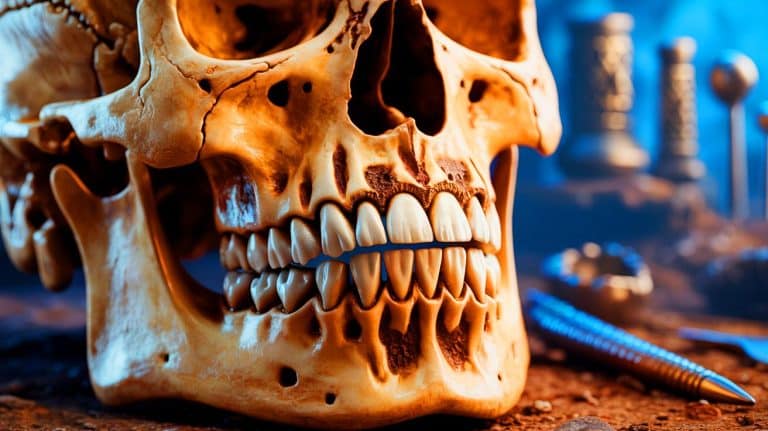
At first glance, the elongated and narrow skull of the discovered remains captivated researchers, pointing to the rare condition known as craniosynostosis. This genetic disorder causes the premature fusion of skull sutures, impeding normal skull growth and potentially leading to brain pressure and developmental challenges. Experts suspect the man suffered from Crouzon syndrome, a severe form of craniosynostosis. Despite these daunting challenges, this warrior-monk survived into his mid-40s, a remarkable feat given the rudimentary state of medieval medicine and the physical demands of life within the Order of Calatrava.
The archaeological team, led by Dr. C. Rissech, meticulously studied the remains, revealing not only the individual’s medical history but also his role in a society that often had little tolerance for physical deformities. This discovery provides a unique glimpse into the lives of those who might have been marginalized due to their appearance but still played significant roles within their communities. It challenges modern perceptions of medieval life and underscores the resilience of individuals who overcame severe physical limitations.
Cranial Deformities: A Glimpse into Medieval Medicine and Survival
The survival of this warrior-monk into adulthood, despite his cranial deformity, speaks volumes about his adaptability and endurance. In medieval times, conditions like craniosynostosis were rarely understood, often leading to early mortality. Modern medicine can address such conditions through surgical intervention, a luxury unavailable in the medieval period. The fact that this man lived into his 40s suggests a level of care and social acceptance that might have been atypical for the period.
Despite his condition, the skeletal remains indicate a life of significant physical activity. The strong muscle attachments on his bones suggest he was physically active, likely due to his role within the Order of Calatrava. This military-religious order required its members to maintain physical strength and combat readiness, traits essential for their roles as protectors of Christian territories. His life story adds depth to our understanding of how medieval societies integrated individuals with physical deformities into their social and military structures.
Life on the Battlefield: Violent Death of a Warrior-Monk
While the warrior-monk’s deformity shaped his life, his death was marked by violence. His skeleton bore evidence of blunt and sharp-force trauma, suggesting he died in battle or violent conflict. Injuries to his skull and tibia point to a violent end, consistent with the fates of many members of military orders during the Christian Reconquista. These findings align with those of others buried in the same cemetery, believed to have been fellow knights of the Order of Calatrava.
The injuries sustained by this individual paint a vivid picture of the harsh realities faced by those in military orders. These men were at the forefront of violent confrontations, often experiencing brutal deaths. The study of his injuries not only provides insights into his personal life but also into the broader context of medieval military engagements and the often-dangerous lives led by those sworn to protect their faith.
Bronze Age Village Revealed Beneath Italian Lake, Offering a Glimpse into Lives from 3,000 Years Ago
The Order of Calatrava: A Unique Military and Religious Identity
The warrior-monk’s association with the Order of Calatrava enriches the narrative of this archaeological find. Founded in the 12th century, this military-religious order was dedicated to defending Christian lands against Muslim forces. Members of the order were both warriors and monks, balancing martial duties with spiritual devotion. The discovery of his remains at Zorita de los Canes castle suggests he was an active participant in these dual roles.
The life of this man, marked by both his deformity and his commitment to the order, illustrates the complex interplay between religion, military service, and personal resilience in medieval Europe. His ability to endure both his condition and the demands of his role highlights the extraordinary physical and mental fortitude required to navigate the challenges of his time. How did such individuals reconcile their personal struggles with the broader demands of their religious and military duties?
Continue reading