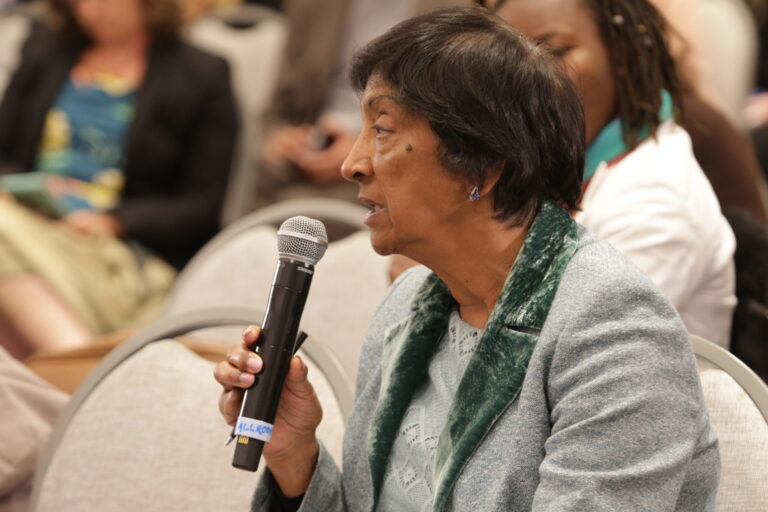



Somali-Born Candidate Dismisses Trump’s Attacks, Poised for Electoral Victory
 By
Joseph Mwangi
By
Joseph Mwangi
In the face of repeated anti-immigrant rhetoric and personal attacks from then-President Donald Trump, a Somali-born political candidate in the United States has remained unfazed – focusing instead on her grassroots campaign and message of inclusion. As election day approaches, she is widely expected to secure a decisive victory, marking a historic moment for immigrant representation in American politics.
Having arrived in the United States as a refugee after fleeing civil war in Somalia, the candidate’s journey from displacement to public office has captured national and international attention. Her campaign has emphasized social justice, access to healthcare, economic opportunity and the importance of diversity in American leadership.
Despite being targeted indirectly through Trump’s frequent remarks about immigrants and Muslims, she has consistently refused to be drawn into personal disputes. “My candidacy is not about responding to hate,” she told supporters during a recent rally. “It’s about giving a voice to communities that have long been ignored.”
Political analysts say her rising popularity reflects a growing resistance among voters – particularly younger and more diverse demographics – to divisive politics. In several opinion polls, she leads by a comfortable margin over her opponents, who have struggled to counter the momentum of her grassroots movement.
If victorious, she would become one of the first Somali-born representatives to hold elected office at a major level in the United States, symbolizing a broader shift in the nation’s political landscape. Her expected win is seen as a strong rebuke to xenophobia and a powerful statement on the resilience of immigrant communities.
As the country watches closely, her message remains consistent: “We are stronger when we lead with hope, not fear.”