


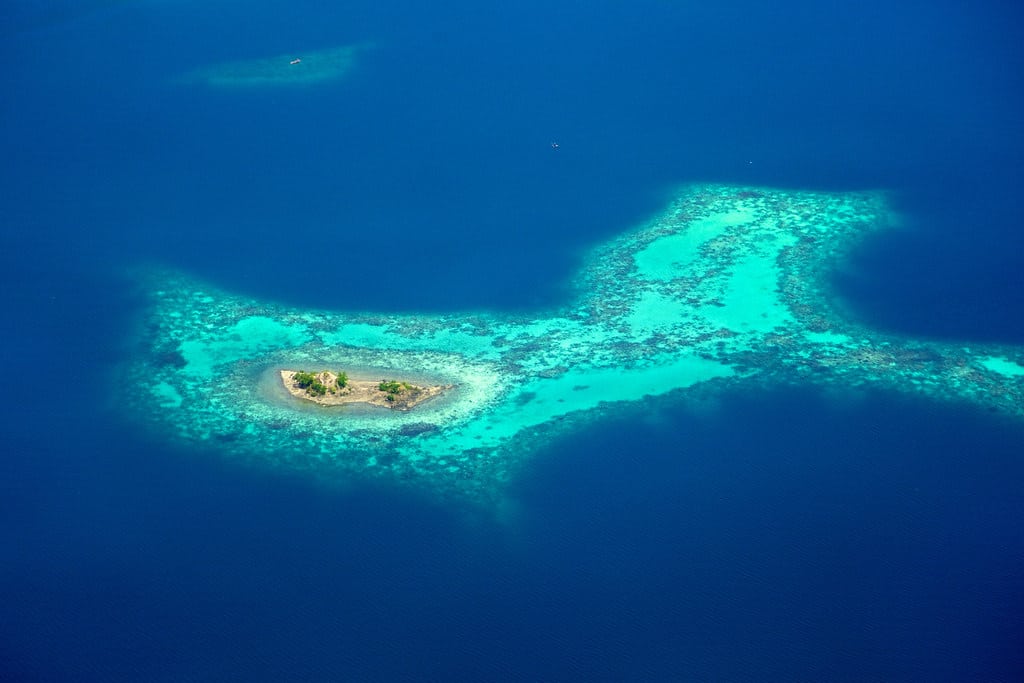
When strange seismic waves rippled silently around the globe on November 11, scientists were left puzzled. The vibrations, first detected near Mayotte, a French island between Madagascar and Mozambique, baffled experts – no earthquake had been recorded, and no one on land had felt a thing.
The mysterious low-frequency hum travelled at nearly 9,000 miles per hour, circling the Earth without triggering any automatic earthquake alerts. Amateur seismologists first spotted the anomaly on Twitter, sharing data that showed an unusually long, uniform signal recorded by stations from Kenya to Hawaii. Speculation ran wild: was it a meteor explosion, a landslide, or even something more extraordinary?
Researchers quickly began investigating. Stephen Hicks, a seismologist at the University of Southampton, analyzed data from global seismic networks and traced the event to about 9:30 a.m. GMT, off the coast of Mayotte. “What’s unusual is that this very long signal travelled most of the way around the world, yet it wasn’t picked up by earthquake detection systems,” Hicks explained.
Unlike typical earthquakes, which generate sharp, high-frequency tremors, this event produced slow, low-frequency waves – a gentle, drawn-out vibration lasting more than 30 minutes. The signal reached Britain after 40 minutes and Hawaii after over an hour, covering more than 11,000 miles.
After ruling out glacial calving and underwater landslides – both known sources of such vibrations – scientists concluded that the cause was almost certainly a major underground movement of magma. Hicks and other researchers believe a large volume of molten rock suddenly drained from a volcanic chamber roughly 10 miles beneath the seafloor, causing the chamber’s roof to collapse and generating the global seismic hum.
Pierre Briole, a geoscientist at the École Normale Supérieure in Paris, reached a similar conclusion, estimating that up to a third of a cubic mile of magma may have shifted during the event.
Though imperceptible to humans, the vibrations offered scientists a rare glimpse into deep volcanic processes that often occur far below the surface – and far beyond our senses. The collaborative investigation, largely conducted on social media between professionals and citizen scientists, also showcased the growing power of open, online science.
“It’s been a fascinating example of how global collaboration can help us solve geological mysteries in real time,” said Hicks.